
U.S. energy giant ExxonMobil is in talks to enter the Israeli gas and oil exploration sector in cooperation with Energean, which is already active in Israel, Maariv has learned. The entry would take place as part of the fifth exploration tender, published this week by the Energy Ministry. Exxon and Energean, which owns Israel’s Karish natural gas field, are also collaborating on a gas exploration project in western Greece. The U.S. energy giant is seeking to leverage Energean’s knowledge of the Israeli gas market.
“The fifth gas tender, assuming gas and oil are discovered, will increase energy supply and, over time, bring more revenue to the state,” Energy Minister Eli Cohen told Maariv. “We have worked extensively to make Israel an attractive investment environment for international companies and corporations. The way to achieve this is through regulatory stability, not through ad hoc burdensome measures.
According to Cohen, “As part of the latest export permit, we established numerous mechanisms to ensure natural gas supplies for the domestic market through long-term agreements and spot transactions at attractive prices. We intervened through regulation, even though we would not have wanted to be in that position, but the best way to reduce prices is through competition and increasing supply. Israel’s additional gas potential is estimated at 400 billion cubic meters.”
Regarding electricity tariffs and the cost of living, Cohen said: “Factually, electricity prices in Israel are about 20% lower than the European average. Here, the price is 15 cents per kilowatt-hour, compared with 20 cents in Europe. While inflation rose by 1.9% over the past year, electricity prices in Israel actually declined by 2.6% in real terms. I estimate that by the end of the year we will see an additional 3% reduction. Looking ahead, my demand from power plants - to supply electricity to Israel Electric Corporation at a price not exceeding $4.7 per energy unit - will lower prices, alongside the strengthening of the shekel.”
“I am also pleased that the State Comptroller praised the Energy Ministry for its work on the cost of living: Opening the electricity market to competition, reforming the water market, and establishing water corporations. At a time when prices were expected to rise by 8%, despite the lack of investment in any infrastructure, we prevented that,” he added.
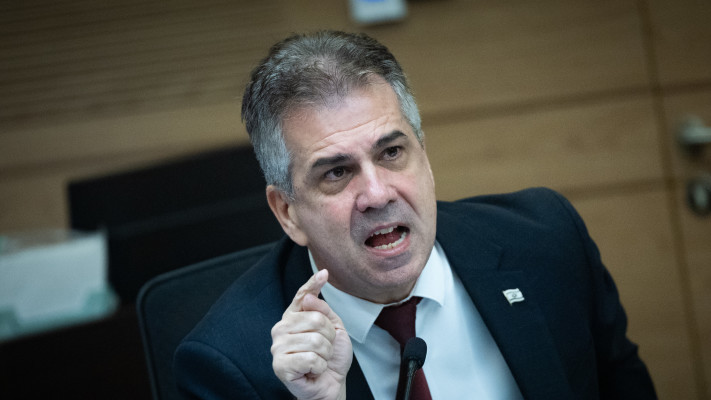
Regarding the energy crisis and tensions with Iran, Cohen said: “The threat posed by the Strait of Hormuz and Bab el-Mandeb is a thing of the past. Alternative plans for developing oil and gas transportation infrastructure are in advanced planning stages, and we are working to ensure that Israel becomes a bridge between Gulf policy and Europe.”
On the government’s decision not to accept a Supreme Court ruling, Cohen said: “I believe in the rule of law in the State of Israel. The Israeli government is not above the law, but the courts are also supposed to be subject to the law.”
Regarding the proposed Basic Law on Torah study, he said: “Torah study is, in my view, a supreme value in a Jewish state, and at the same time, we must pass legislation that will enable the enlistment of yeshiva students. I understand the need for this better than most.”
“At my home, military service in the IDF is a privilege, not an obligation. My son is a reserve captain who completed three months of service in Lebanon. My daughter serves in the reserves, and another daughter is in permanent military service. I understand the difficulty, the challenge, and the risk to the lives of soldiers. We must give priority to reservists. If a Basic Law for reservists is brought forward, I will support it.”
The full interview with Minister Cohen will be published in the “Shotef Plus” section of Maariv-Sof Hashavua.