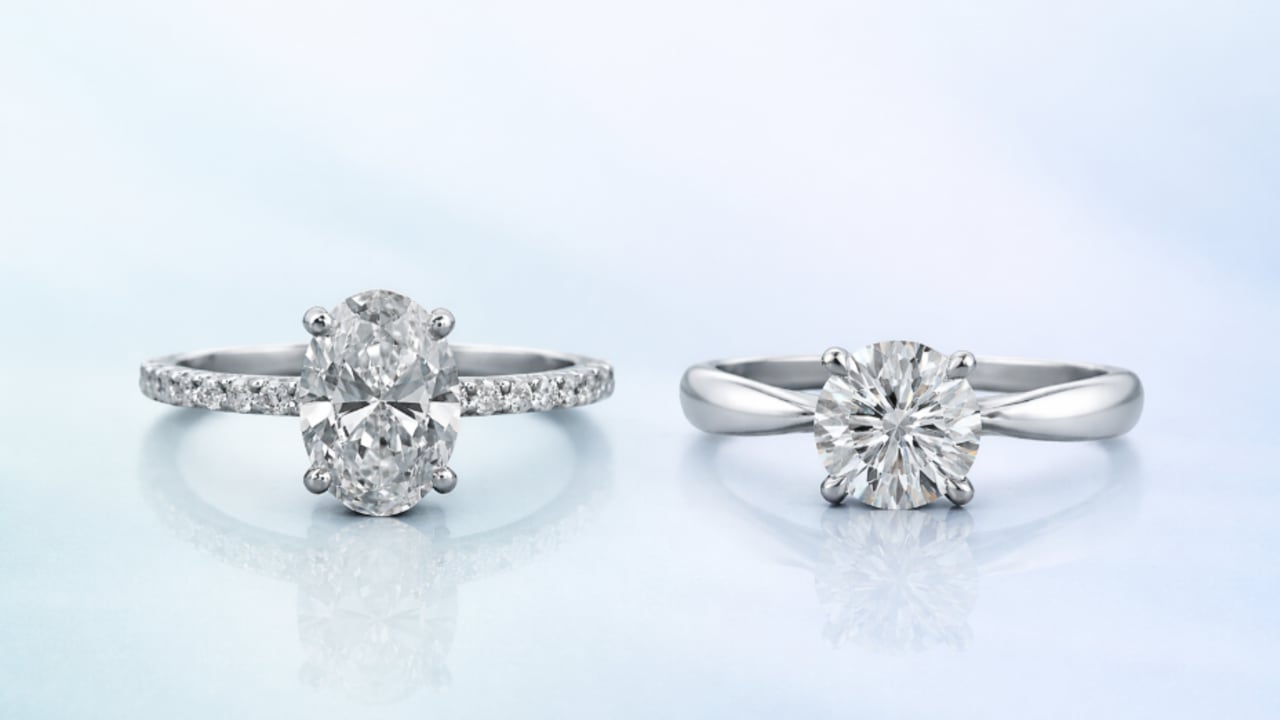
War and geopolitical tension are typically associated with economic contraction, disrupted trade routes, and declining consumer confidence. Yet even in such conditions, demand for certain forms of jewelry, particularly lab grown diamond jewelry has remained visible across global markets. This persistence is not driven by indulgence, but by changing ideas of value, stability, and ethical sourcing in uncertain times.
As traditional supply chains face disruption and heightened scrutiny, lab created diamonds have emerged as a structurally resilient alternative within the luxury sector. Produced in controlled environments rather than conflict-affected mining regions, they offer predictability in supply and pricing qualities that become increasingly relevant during periods of global instability. Their growing presence in wartime economies reflects broader shifts in how consumers and markets respond when financial systems feel fragile.
Jewelry Beyond Ornamentation
Historically, jewelry has served a dual purpose: personal expression and portable value. During periods of conflict, this second function often becomes more pronounced. Unlike other discretionary goods, jewelry can be stored, transported, and liquidated with relative ease. Its cultural legitimacy across regions further reinforces its role as a quiet financial instrument.
In recent years, however, the jewelry market has undergone a notable transformation. Traditional mining-based supply chains have faced mounting pressure from geopolitical disruptions, sanctions, and ethical scrutiny. This has created space for alternatives that are less exposed to conflict-related volatility.
Lab-Grown Diamonds as a Market Response
Lab grown diamonds have moved from niche curiosity to serious market category, particularly during periods of global instability. Produced in controlled environments, these diamonds bypass many of the geopolitical and ethical challenges associated with mining. As a result, they offer greater predictability in supply and pricing, two qualities that become especially valuable during wartime economies.
Industry analysts increasingly view lab made diamonds not as a replacement for natural stones, but as a structural adaptation. Their rise reflects changing consumer priorities: transparency, traceability, and value stability. In uncertain economic climates, buyers often gravitate toward options that reduce exposure to supply shocks and inflated costs.
Changing Consumer Behavior Under Pressure
Economic instability reshapes how consumers approach luxury. Rather than pursuing conspicuous consumption, many buyers seek control and customization. The ability to choose specific characteristics such as carat weight, color grade, or design details aligns with a more intentional form of spending.
Customization also reflects risk awareness. By tailoring purchases to budget and preference, consumers maintain agency in environments where external conditions feel unpredictable. This shift has been particularly visible within the lab-grown segment, where flexible production allows for a broader range of specifications without the price volatility associated with mined diamonds.
Budget Sensitivity and Ethical Awareness
Contrary to assumptions, wartime luxury consumption is often marked by restraint. Budget-conscious purchasing does not disappear; it becomes more deliberate. Lab diamond jewelry has gained traction partly because it allows consumers to access high-quality pieces at comparatively lower price points, without sacrificing durability or design.
Ethical considerations further reinforce this trend. As conflicts draw attention to the origins of materials and the human cost of extraction, consumers increasingly question traditional sourcing models. Eco-friendly diamonds, while not without their own environmental considerations, are frequently perceived as a more transparent alternative within a complex global supply landscape.
Market Examples, Not Marketing
Within this evolving market, some jewelry brands illustrate how these shifts manifest in practice. For instance, IBling Jewels has developed a reputation for offering widely favored designs that align with consumer demand for accessible, customizable lab-grown diamond pieces. Meanwhile, Dvik Jewels reflects a parallel trend toward dainty, minimalist jewelry that emphasizes subtlety over display.
Such brands are not driving the transformation alone; they are responding to it. Their business models mirror broader industry movements toward customization, cost transparency, and restrained design hallmarks of consumer behavior during uncertain times.
A Signal of Broader Economic Shifts
The growing role of lab diamonds in wartime economies highlights how luxury markets function as indicators rather than outliers. When consumers redirect spending toward predictable, ethically scrutinized, and customizable goods, it often signals deeper concerns about financial stability and institutional trust.
Jewelry’s endurance, particularly in its lab-grown form suggests that value in times of conflict is defined less by tradition and more by adaptability.
Conclusion
Luxury goods do not vanish during war; they evolve. The rise of lab grown diamond jewelry reflects a market recalibrating under pressure, shaped by ethical awareness, budget sensitivity, and the need for stability. In this sense, jewelry is no longer merely an adornment, it is a quiet economic signal, revealing how individuals navigate uncertainty when global systems feel fragile.