
In recent years, the air conditioner has become one of the most essential electrical appliances in every Israeli home. During the hot summer days, it is difficult to imagine an entire day without cooling, but alongside the comfort comes an electricity bill that can skyrocket quickly. Many try to save by reducing operating hours or turning off the air conditioner when leaving the house, but experts claim that setting the correct temperature is actually the real key to savings.
According to air conditioning and energy experts, the ideal temperature for operating an air conditioner in the summer is approximately 25.5°C. This is a balance point that allows, on one hand, maintaining a sense of comfort in the home, and on the other hand, reducing electricity consumption. Although everyone has different preferences, experts recommend avoiding lowering the temperature below 23°C if you want to maintain a reasonable electricity bill.
The reason for this is simple. The greater the gap between the outdoor temperature and the desired temperature inside the home, the longer and more powerfully the air conditioner is required to work. The result is higher electricity consumption and accelerated wear and tear on the air conditioning system.
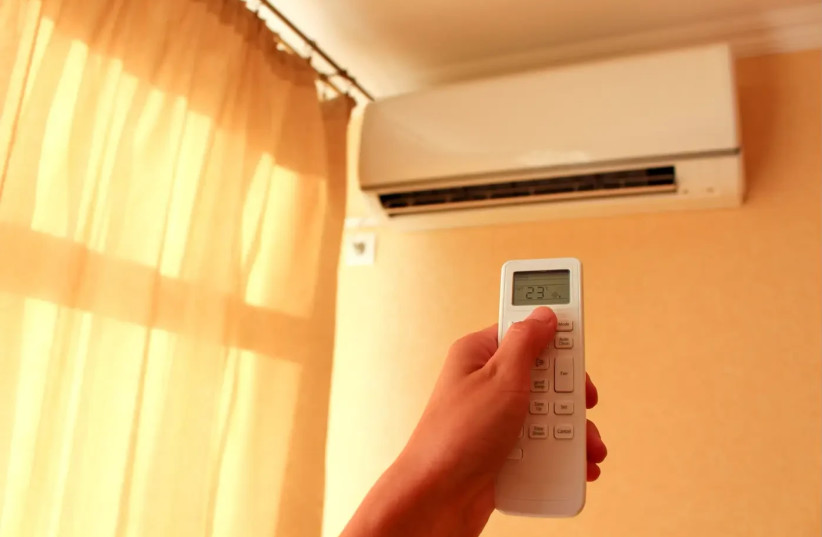
According to the experts, every reduction of one degree in the air conditioner temperature can increase energy consumption by about three percent. In other words, anyone who sets the air conditioner to particularly low temperatures could pay significantly more at the end of the month, even if it seems to them that the difference in temperature is barely noticeable.
And what happens when no one is home? Here, many tend to make a mistake. Air conditioning experts recommend not turning off the air conditioner completely during work hours or short absences. Instead, it is preferable to raise the temperature by a few degrees. When the house overheats, the air conditioner will be required to exert greater effort to cool it down again upon your return.
A particularly efficient solution is using a smart thermostat. These systems allow scheduling the air conditioner's activity so that it goes into operation a short time before returning home. In this way, the home will be pleasant and air-conditioned exactly at the right time, without wasting energy throughout the entire day.
Beyond correctly setting the temperature, there are additional ways to reduce electricity expenses during the summer. One of them is operating the air conditioning system's fan in automatic mode. When the fan operates continuously, it consumes electricity even during moments when the compressor is not actually cooling the home.

Additionally, it is recommended to close curtains and blinds during the hot hours of the day. Solar radiation penetrating through the windows heats the home's interior and forces the air conditioner to work harder. Proper shading can significantly reduce the heat load.
Proper sealing of windows and doors also contributes to savings. The infiltration of hot air from the outside causes a loss of cooling efficiency, and therefore it is advisable to ensure that openings are well-sealed.
Finally, routine maintenance of the air conditioning system is one of the most important steps. Cleaning or replacing filters once every few months, alongside cleaning the outdoor unit and ensuring free airflow, will help the system work more efficiently and consume less electricity.
The bottom line is clear: It is not always necessary to freeze the house to feel comfortable. Sometimes, a small change in the air conditioner settings, alongside a few smart habits, can lead to significant savings on the electricity bill throughout the summer.