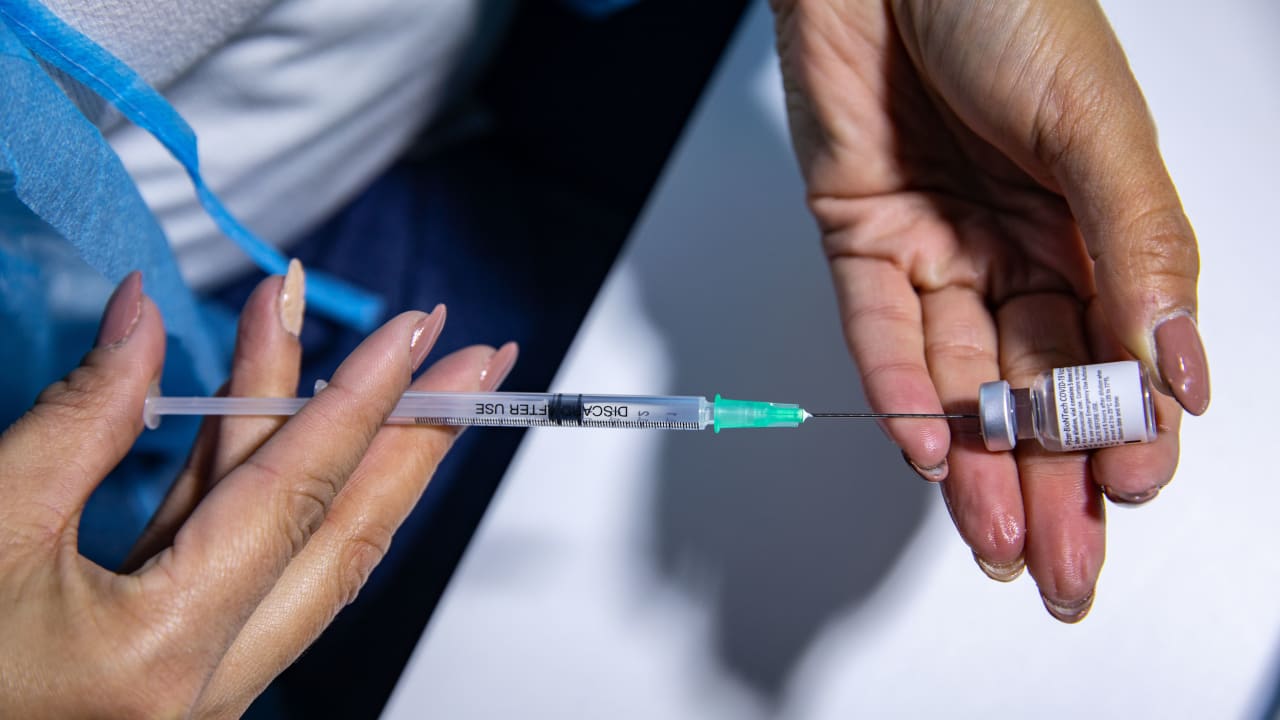
Is a person's willingness to take a coronavirus vaccine impacted by their employment and overall economic situation? That may just be the case, according to a new study conducted by Galilee Medical Center researchers affiliated with Bar-Ilan University's Azrieli Faculty of Medicine and the UAE's Gulf Medical University (GMU).
The reason behind this tendency that the researchers hypothesized is that the willingness to get vaccinated was motivated by economic incentives, as the more people are vaccinated, the closer the economy would be to being reopened.
"The results are clear, and in my opinion, have an impact on the entire public," Dr. Amiel Dror, one of the study's editors, said in a statement.
"We are constantly looking for incentives to encourage vaccination, and the research reveals that the greatest incentive for the individual is his ability to continue to sustain the economy. Dentists generally are able to pay their monthly bills and often have the ability to maintain some financial reserves; they generally will not go hungry if they do not work for a while. However, even for them, this finding was relevant. If so, what would an artist or small store owner with no job or savings to lean on do?"
The study is also notable for being the first collaboration between Galilee Medical Center and the Azrieli Faculty of Medicine at Bar-Ilan and GMU following a signed memorandum of understanding, which itself came following newly normalized ties between Israel and the UAE.