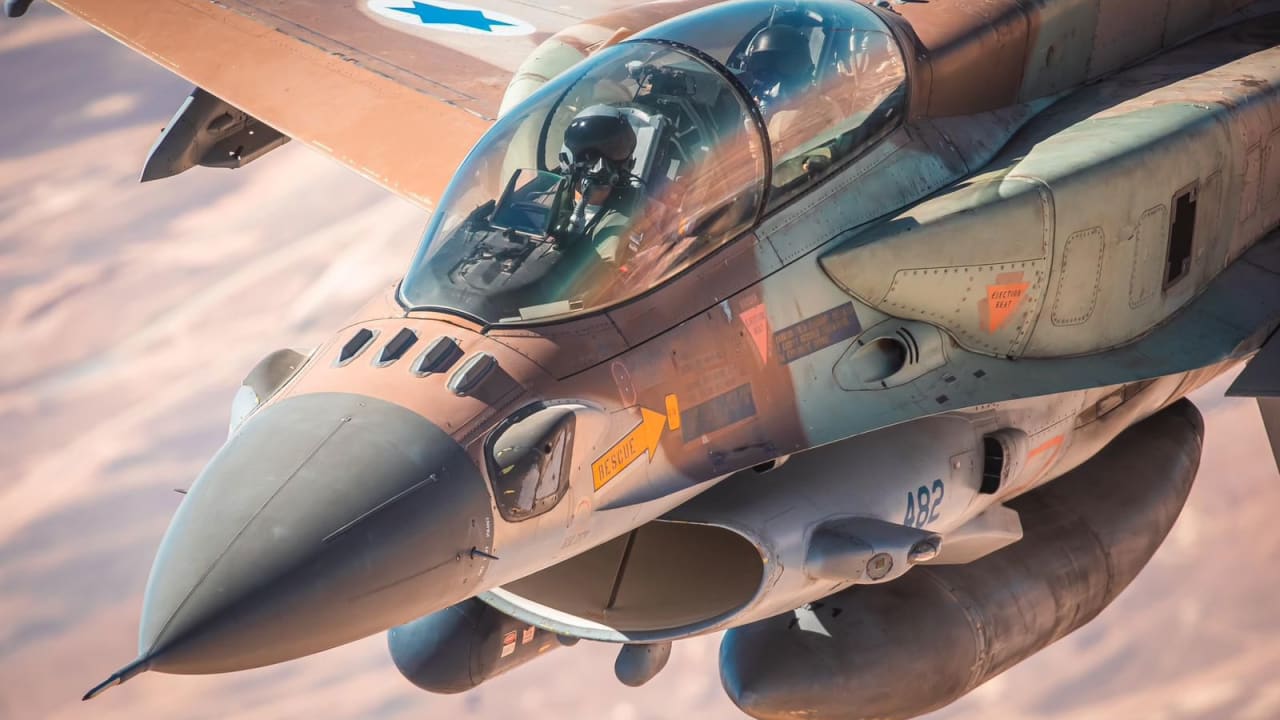
Morocco will open a production facility for tactical attack drones in partnership with a subsidiary of Israel Aerospace Industries, intensifying its relationship with Israel's defense industry, The Economist reported on Thursday.
Morocco has been taking advantage of its membership in the Abraham Accords by importing Israeli weapons systems and technology over the past few years, thereby strengthening diplomatic ties and improving its defense capabilities.
Morocco established economic, diplomatic, and military ties with Israel under the Abraham Accords in 2020, during US President Donald Trump’s first term.
Israeli defense companies and Morocco have since signed several deals, including for Israel Aerospace Industries’ Barak 8 missile system, Elbit’s EXTRA rockets, and 20 radars manufactured by Elta for its F-5e fighter jets.
Israeli defense contractors' ties to Abraham Accord countries
Other countries in the region have also struck deals with Israeli defense contractors since the Abraham Accords, according to The Economist. Bahrain also uses the Israeli radar system, and the United Arab Emirates (UAE) has bought two Israeli missile systems.
In a June press release, the Defense Ministry announced that the Abraham Accords countries accounted for 12% of all Israeli defense exports in 2024, breaking Israel's all-time defense export record for the fourth consecutive year.

“Israeli systems have resonated throughout the Middle East this past year,” International Ministry of Defense Director General, Maj. Gen. (Res.) Amir Baram said. “More nations want to protect their citizens using Israeli defense equipment.”
Even before the Abraham Accords a powerful Israeli spyware, Pegasus was being used by the UAE and Bahrain to monitor dissidents, the Economist claimed and added that it had also been used by Saudi Arabia which is still not part of the Abraham Accords.
“Arms deals are a potent form of diplomacy,” an Israeli defense official told The Economist. “Unlike most other commercial deals, they take a long time to materialise, and then lock governments into long-term relations with the Israeli firms that continue servicing their wares.”
An Israeli diplomat credited defense deals as one of the reasons the Abraham Accords have survived two years of war in Gaza.
“No one has any illusions that Israel is popular now in these countries,” the diplomat told The Economist. “But their governments have made long-term investments in their defense ties with Israel, and they’re not about to change course.”