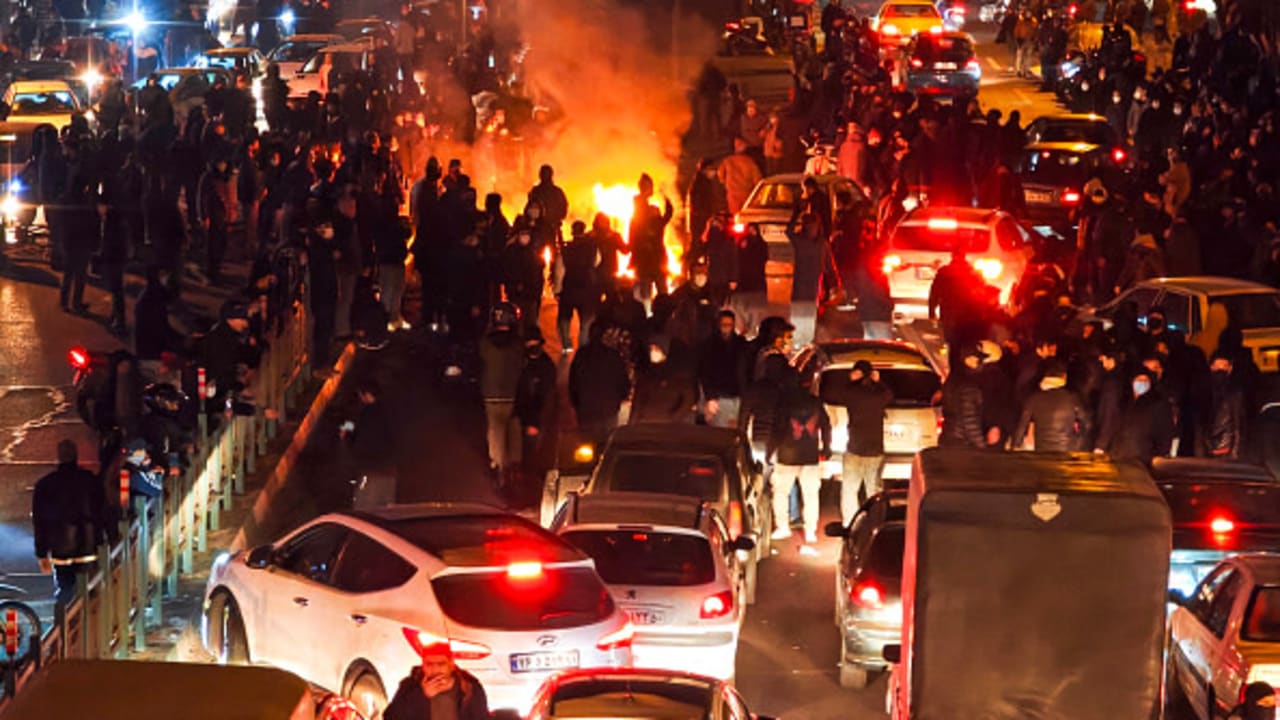
A trove of leaked Iranian documents reported on by multiple outlets on Wendesday reveals a premeditated and coordinated strategy by Tehran’s leadership to suppress domestic unrest.
According to the New York Post, audio from an April 2025 security meeting in Tehran captured senior officials boasting they had “neutralized all threats” and that “another uprising is impossible.”
The audio was released by the opposition National Council of Resistance of Iran (NCRI), which noted that widespread protests erupted just months later, contradicting the regime’s confidence and exposing what the group described as a calculated plan for violent repression.
Fox News reported that the same cache of leaked materials included a Comprehensive Tehran Security Plan drafted in late 2024 by the Islamic Revolutionary Guard Corps’ Sarallah Garrison and approved by Supreme Leader Ayatollah Ali Khamenei.
The plan reportedly granted security forces authority to kill “as many people as necessary in order to stay in power,” identified “high-risk” individuals likely to organize protests, and ordered commanders to escalate rapidly to lethal force.

Also included was a directive from the Interior Ministry outlining a four-stage response that involved throttling or cutting internet access, isolating protest hotspots, and preventing international observers from monitoring events.
Reportedly, one excerpt read, “What currently causes the greatest public dissatisfaction is people’s concern and frustration over the repeated fluctuations in the exchange rate,” noting that the impact extended into broader social and political unrest.
“This was not panic, but a calculated effort to crush anticipated national uprisings,” said Alireza Jafarzadeh, deputy director of the NCRI’s US office. He said the People’s Mojahedin Organization of Iran smuggled the documents out through contacts inside the regime.
Inspired by 2019 gasoline protests
The documents indicate that Iranian officials drew lessons from the 2019 gasoline protests, in which hundreds were killed. This time, according to the files, the government resolved to respond more quickly and with greater force, deploying IRGC units armed with live ammunition in advance, identifying hospitals that might treat injured protesters and planning raids on those facilities to “finish off” wounded activists.
“Iranian forces fired indiscriminately on crowds, blinded demonstrators with rubber bullets, stormed hospitals, hid bodies, and forced grieving families to pay for the bullets used to kill their loved ones,” Jafarzadeh told Fox News. He called the campaign “a crime against humanity.” The Human Rights Activists News Agency put the death toll at 6,854, with another 11,280 cases under investigation.
One section of the Sarallah plan focused on controlling the flow of information. Cyber units were directed to flood social media with pro-regime content, accuse “terrorist infiltrators” of instigating the violence, highlight alleged attacks on mosques or security forces, and slow internet speeds to prevent real-time footage from leaving the country.
The documents detailed provincial command chains requiring each area to form a joint task force led by the local IRGC commander, with the Basij militia and regular police reporting to him. Once a crowd reached a designated threshold, troops were authorized to use live ammunition inside specified “kill boxes” without seeking further approval.
Despite ongoing economic instability and a currency collapse, the Iranian government has relied heavily on deploying security forces. “Silence encourages impunity,” Jafarzadeh warned, adding that the NCRI would submit the leaked files to United Nations investigators. The regime has not issued a public response but has previously labeled the NCRI a terrorist cult and dismissed foreign media reports as “fake news.” Observers noted the presence of armored vehicles in major public squares and plainclothes Basij patrols in metro stations, signs that authorities were preparing for possible further demonstrations.
“They will tweet, they will condemn, but they will move on. Our priority is survival of the regime,” one senior official was quoted as saying in the recordings. A relative of a slain protester said simply, “They planned our pain in advance.”