
Israel’s Civil Administration approved major construction projects in West Bank, marking a significant expansion in Ma’aleh Adumim in an area known as E1 and the recognition of a new community in Asahel south of Hebron.
The E1 plan, long delayed, will add approximately 3,400 housing units, while Ashahel’s project includes 342 units along with public buildings and infrastructure.
Finance and Defense Minister Bezalel Smotrich, who led both initiatives, described the approvals as “historical facts on the ground,” calling them a defining moment for settlement, security, and the State of Israel. “Today we are finally realizing what has been promised for years in E1,” Smotrich said, adding that the developments represent concrete steps toward full Israeli sovereignty in the West Bank.
Smotrich also serves as a minister in the Defense Ministry with oversight of civilian affairs in the West Bank.
Construction in E1 is expected to begin immediately, while Ashahel’s plan reaches the deposit stage, a key step toward final approval.
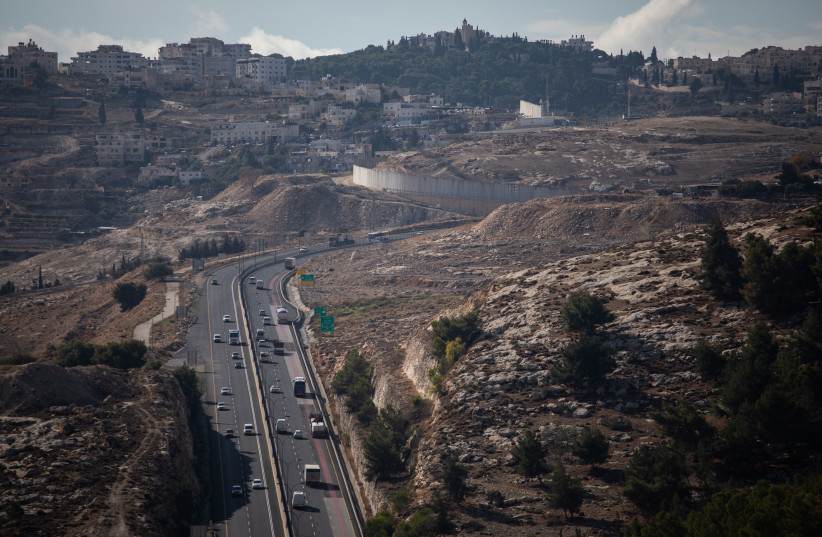
The 11.6-square-kilometer E1 zone lies within the municipal boundaries of Ma’aleh Adumim and is classified as Area C, under full Israeli administrative and security control. The project has been frozen for decades due to intense international opposition.
At the same time, Ma’aleh Adumim’s “Tzippor Midbar” neighborhood will add another 3,515 housing units. The combined 6,916 new housing units will double the city’s population and bring in about 35,000 new residents in the coming years, Smotrich said. Over 36,000 people currently live in the city, just northwest of Jerusalem.
Asahel, which was founded in 2001, currently has around 100 families.
The E1 area is located within Area C
Alan Baker, Israel’s former Ambassador to Canada and now head of the Global Law Forum at the Jerusalem Center for Security and Foreign Affairs, told TPS-IL in mid-August that both Israel and the Palestinians have competing aspirations for the land, but because E1 is located in Area C, Israel is within its rights.
Baker was involved with the drafting of the Oslo Accords, which were signed in 1993.
“I mean, according to the Oslo Accords, that area is part of Area C, which is under Israeli jurisdiction. So Israel has the right, both legally and according to the agreements with the Palestinians, which were also approved internationally, of course, as long as the construction plan is in accordance with the law. This is not about building on privately owned land, but rather on public land,” Baker explained.
The Oslo Accords divided the West Bank into three administrative areas. Area A, mostly Palestinian cities, is fully governed by the Palestinian Authority (PA) in both administration and security. In Area B, which includes smaller Palestinian towns, the PA handles civil administration while Israel controls security. Area C, encompassing Israeli communities, military sites, and nature reserves, is under full Israeli administrative and security control.
Community leaders have expressed hope that US President Donald Trump will revisit the issue of sovereignty, aligning his previous peace plans with provisions for applying Israeli law to Area C.