
In recent months, officers in the IDF General Staff’s Operations Directorate have been working to build a war plan for two fronts, Iran and Lebanon, according to interviews with three officers published by Maariv on Thursday.
Speaking from the underground command bunker at the Kirya military headquarters in Tel Aviv, they described a prolonged planning effort, intense operational pressure, and the secrecy required to manage the campaign.
The officers said they had effectively been living double lives, spending their days preparing military plans while concealing nearly everything about their work once they returned home. They said the burden was not only operational, but personal, as they were required to maintain a normal outward routine while handling highly classified information.
Lt.-Col. S., head of a control branch in the Operations Directorate, said her unit is responsible for overseeing both offensive and defensive activity across all arenas. She said the command center provides senior military commanders and the political echelon with the operational picture while managing real-time events.
She also pushed back on rumors that circulated before the war, saying no classified information leaked from those serving in the Kirya bunker. According to her, claims that someone “knows someone” inside the bunker and has dramatic insider information should not be believed.
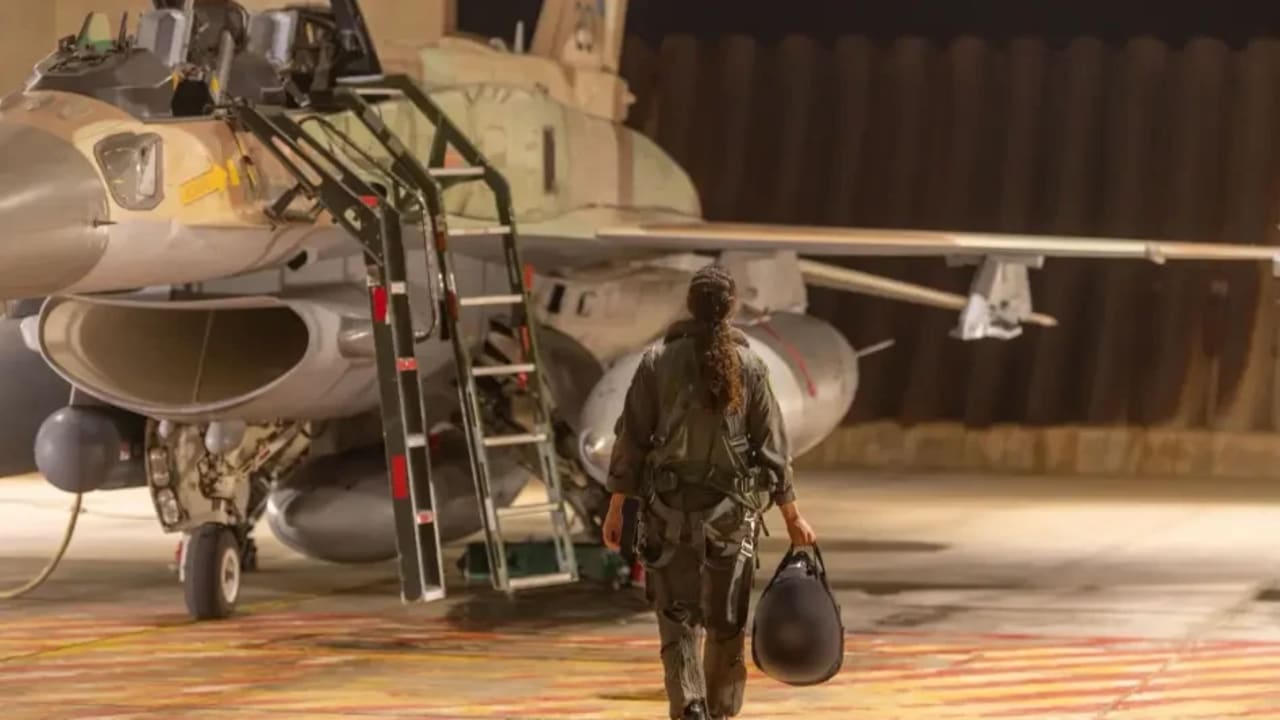
Lt.-Col. S. said one of the biggest challenges in her role is preserving secrecy, especially ahead of a campaign of this scale. She said that despite extensive planning, she learned the exact timing of the strike only at a very late stage.
According to Lt.-Col. S., the preparations for war were lengthy and methodical, based on the assessment that Israel could face a multi-front confrontation. She said the directorate ensured a high level of readiness not only for Iran, but for all theaters.
The 33-year-old officer said she had served in a range of combat and staff roles and is due to marry in a few weeks. She said she and her partner, currently the commander of Battalion 202 in the Paratroopers Brigade, set the wedding date a year ago, knowing it would likely be an especially demanding year because of Gaza, Syria, Iran, and Lebanon.
Asked why Israel again found itself facing Iran only eight months after Operation Rising Lion, she said that campaign had been only the first stage in addressing the Iranian threat. She said Iran continued strengthening its capabilities and advancing its nuclear program, leaving Israel with no choice but to prepare for another confrontation, this time with lessons drawn from previous rounds and coordination with another country.
Lt.-Col. Y., head of planning in the Operations Directorate, said the planning branch divides its work into two tracks: long-term planning in routine periods and short-term planning once a campaign begins. Even during active fighting, he said, much of the work focuses on preparing for the next day’s operations.
He said planning for the current campaign began days after the previous one ended, once the system concluded that Iran had been significantly damaged but not decisively stopped. According to him, the earlier campaign focused mainly on gaining superiority, removing the ballistic missile threat, and damaging the nuclear program, while the current one is more complex because it includes additional targets not previously struck.
Lt.-Col. Y. said Iran’s effort to restore much of its ballistic missile capacity after the summer war did not surprise Israeli planners. He described Iran as a serious enemy and said Israeli planning relied on intelligence superiority and deception measures, some of which, he suggested, may not be publicly discussed for years.
Hezbollah, Yemen, and broader escalation
The officer said the campaign was expected from the outset to develop into a multi-front war, including the possibility of Hezbollah joining the fighting. He said the new planning framework included not only a stronger defensive posture across all arenas, but also offensive tools prepared for use in each one.
He added that Israel treats each arena as operationally distinct, even while viewing Iran as the central enemy coordinating regional proxies. On Yemen, he said the Operations Directorate has also prepared for the Houthis, describing them as Iranian proxies backed by Tehran and saying Israel is ready both defensively and offensively should they enter the fight.
Capt. M., a reserve officer serving as operations coordinator in the General Staff strike section, said he was called up over the weekend and has since been working around the clock in the bunker. He said his unit helps shape the overall strike campaign across the IDF, coordinating the attack component of operations alongside command-level fire centers.
Capt. M. said he recently took part in a high-level target approval session in which senior commanders reviewed objectives one by one. He said the scope and significance of the targets left a deep impression on him, particularly because of their connection to the goal of removing threats to Israeli civilians.
He also described what he called an extraordinary pace of strikes and said the home front’s resilience has helped sustain those working in the bunker. At home, he said, his family only knows in broad terms that he is involved in “explosions,” but public support has given him and others the strength to continue.
The officers’ accounts portray a military system that spent months preparing for a broad regional confrontation, while trying to ensure that operational secrecy held until the moment action began. Their message was that the burden of preparation extended well beyond strategy, into every part of daily life.