
A June study from Bimkom showed an acceleration in the Israeli government’s use of settlement jurisdiction orders in the West Bank since October 2023.
Israeli officials have issued 114 military orders establishing, expanding, or dividing settlement jurisdiction areas since October 2023, roughly the same number as over the previous 22 years combined, the findings from the Israeli human rights organization revealed.
Collectively, these orders added approximately 6,200 acres to Israeli settlement municipal jurisdictions and led to the establishment of 53 new settlements, according to the findings from Bimkom.
The data indicated that settlement expansion has continued at an accelerating pace during the war in Gaza, with administrative measures being used alongside physical construction in Area C of the West Bank.
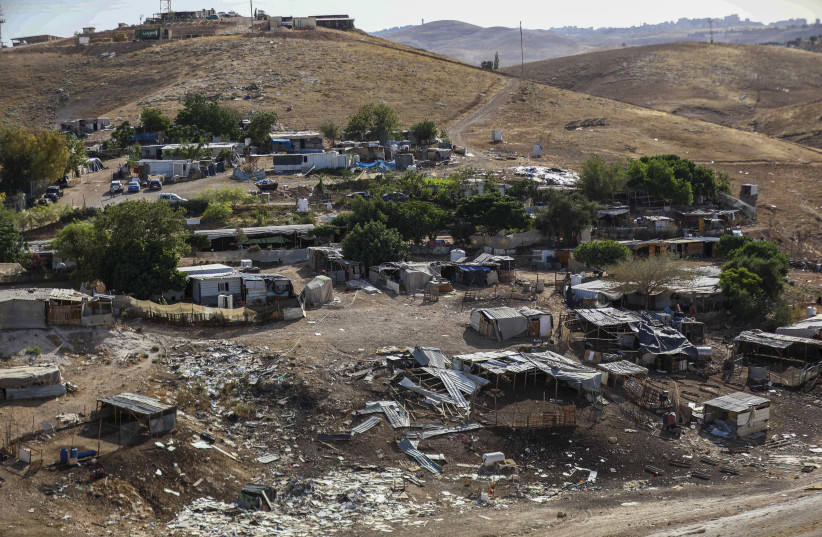
Settlement jurisdiction orders reshape administrative boundaries
Jurisdiction orders are decrees issued by the IDF designating areas in the West Bank as part of an Israeli settlement and reserving the development and control of the land for Israeli hands.
Unlike the construction of individual housing units, these orders redefine the administrative boundaries of settlements, creating the legal framework for future expansion before building begins.
"They [settlement jurisdiction areas] are 'legal' land grabs that happen without any public debate, court oversight, or Palestinian recourse," the analysis from Bimkom read.
Once a piece of land is designated as a settlement's jurisdiction, it is allocated solely to future Israeli development.
Jurisdiction orders are the first step in expanding Israeli settlements in the West Bank because they determine which authority controls the land and who is permitted to use it.
Land brought under a settlement's municipal jurisdiction is generally unavailable for Palestinian development, farming, or construction, even where no immediate building projects are planned.
According to a Bimkom analysis, the rapid increase in these orders reflects a shift in how settlement expansion is carried out.
Rather than relying exclusively on the approval of new housing projects, Israeli authorities have increasingly focused on expanding the territorial footprint of settlements through administrative decisions that receive comparatively little public attention.
The study found that many of the jurisdiction changes involved extending the boundaries of existing settlements, while others formalized new settlement outposts that had previously existed without official recognition.
In several cases, jurisdiction areas were also divided or reorganized, allowing separate settlements to be established under distinct municipal administrations.
By extending municipal boundaries and placing additional land under settlement jurisdiction, the orders create the legal and planning conditions for future infrastructure, residential neighborhoods, industrial zones, and roads connecting settlements across the West Bank, Bimkom argued.
The organization said the pace of the orders issued since October 2023 represents a significant departure from previous years.
Because jurisdiction orders are signed by the military commander rather than debated in a public legislative process, they allow substantial territorial changes to occur with limited transparency and few opportunities for Palestinian communities to challenge the decisions, according to Bimkom's analysis.