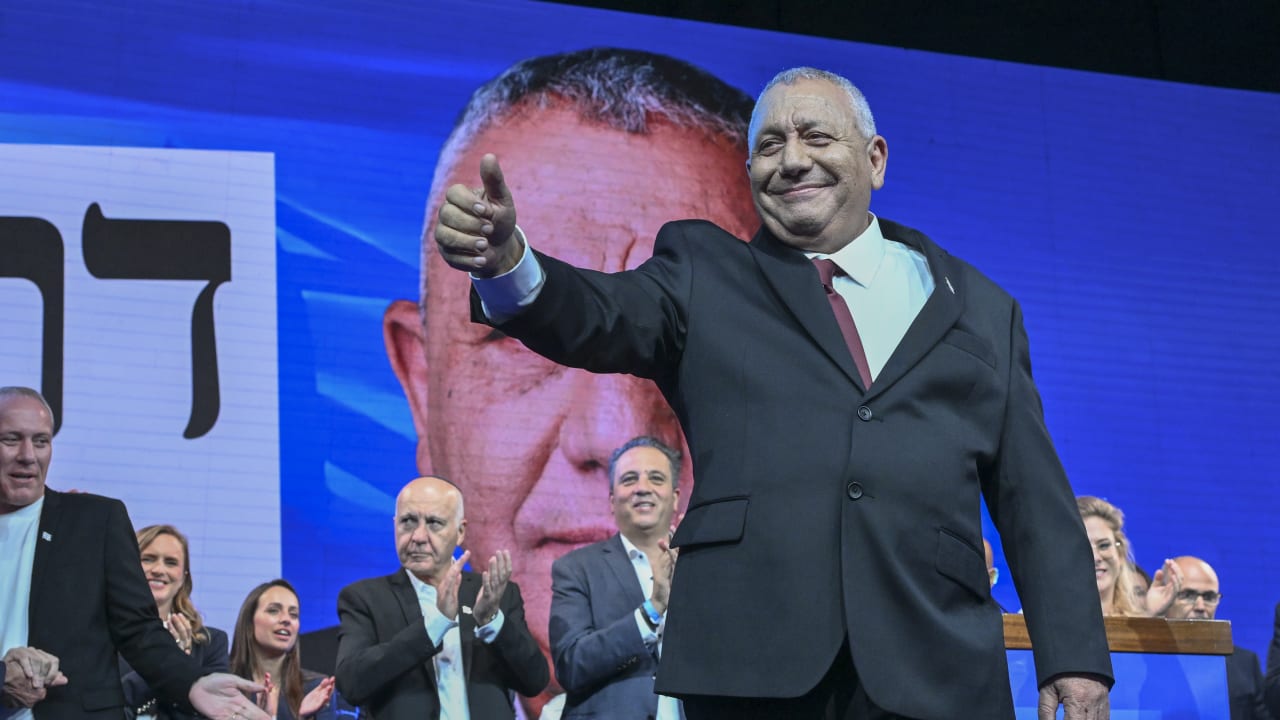
The Shin Bet (Israel Security Agency)'s Unit 730, responsible for protecting senior Israeli officials, is set to take over security arrangements for former IDF chief of staff and Yashar party chairman Gadi Eisenkot, senior sources confirmed to The Jerusalem Post on Tuesday.
The move follows months of dispute over Eisenkot’s protection during the election campaign. Since October 25, he has been guarded by a private security company operating under the direction of the Shin Bet’s Unit 730.
Shin Bet Director David Zini initially declined to assign Eisenkot a protection detail in August, saying the agency had no intelligence indicating an intention to harm him. A public advisory committee subsequently recommended that he receive Shin Bet protection until the election.
However, Eisenkot’s team told the Post in late September, and again in early October, that the agency was not providing him with a security detail. The arrangements announced at that stage included intelligence monitoring, coordination with private security teams and permission for privately hired guards to carry weapons.
On October 24, Yashar announced that a private company would begin protecting Eisenkot under Unit 730’s direct instruction the following morning. The latest decision would replace that arrangement with direct protection by the Shin Bet unit.
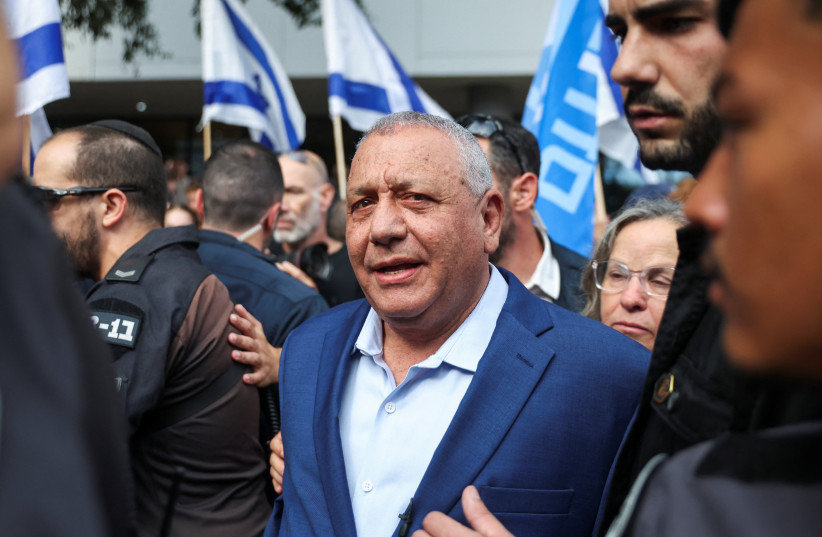
Transferring Eisenkot's security to Shin Bet came after months of discussion
Similarly, security sources told Maariv at the end of September that the Shin Bet would take "full responsibility for Eisenkot's security in the coming days."
The decision to protect Eisenkot was made following the advisory committee's recommendation and in light of the threat assessments against him, the sources said.
The move came after the Ministerial Committee on Shin Bet Affairs was expected to convene to decide whether to adopt the advisory committee's recommendation on personal security and grant state protection to Eisenkot however, none of the ministers attended the meeting except for the committee’s chairman, Justice Minister Yariv Levin, who decided to transfer authority to the Shin Bet who could independently decide what security measures were necessary.
Eisenkot's campaign accused Zini's initial rejection of being politically motivated
The dispute that reached the ministers centered on the fact that the Shin Bet had not identified a specific warning, while police assessed that the threat level facing Eisenkot was high and recommended assigning him armed protection.
It followed a months-long battle to ensure Shin Bet protected political party leaders.
Yashar staff alleged that one of the reasons Eisenkot was not receiving state security was the politically motivated desire "to avoid images of a candidate for prime minister appearing in public surrounded by security personnel," which they aregued could strengthen his political standing.
In a letter that the campaign submitted to the Shin Bet, Israel Police, and attorney general, it called for the decision to be reversed, saying "You bear responsibility for immediately assigning a permanent security detail to Lt.-Gen. Eisenkot."
Keshet Neev and Avi Ashkenazi contributed to this report.