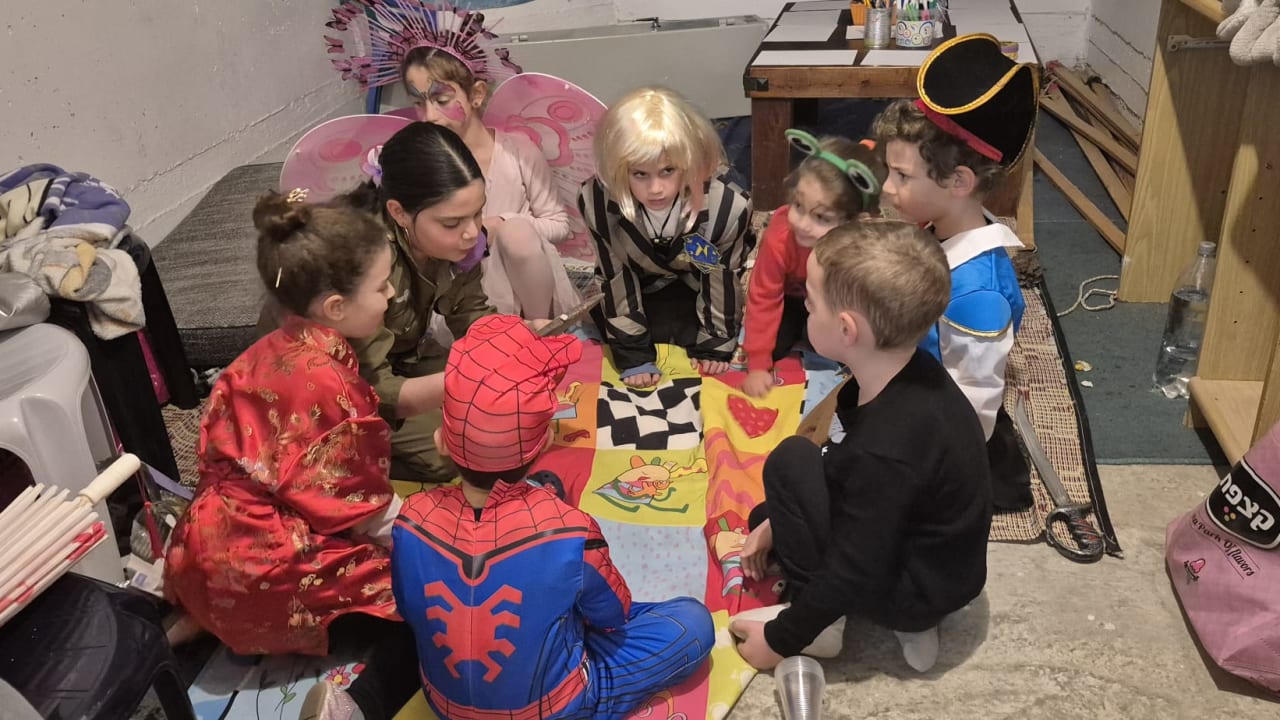
As the sirens wail across Jerusalem at 6:00 AM, the routine is becoming tragically familiar. We wake the children, usher them into the reinforced room or go down or out to the shelter, and wait for the distinctive boom of an interception. From my vantage point as the CEO of ELI – Israel Association for Child Protection, I see the toll this takes. Our children are persevering, yes, but they are weary. Beneath that "normal" exterior, a thin veil of trauma is beginning to settle, one that threatens to leave a lasting mark on the next generation.
During this direct confrontation with Iran, the focus is understandably on the physical front lines. However, as a society, we must not ignore the "hidden front" inside our own homes. The immense stress of war creates a pressure cooker environment where healthy boundaries often collapse, and the vulnerable are at their greatest risk.
The Power of Parental Presence
The central challenge for Israeli families today is maintaining a sense of “balanced safety.” In a reality where control feels like a distant memory, the parent must become the emotional anchor.
Our data at ELI shows that a parent’s physical presence is the most effective tool for child stabilization. Your presence conveys a wordless message: I am here, I am attentive, and I am in control. Children are emotional mirrors; they reflect the stability, or the anxiety, of their caregivers. Even when we are shaken, it is vital to mediate the experience with confident, age-appropriate explanations. Explaining that a loud explosion is the sound of an interceptor protecting us transforms a terrifying noise into a symbol of security.
Vigilance in Confined Spaces
However, we must also address a darker reality. For some children, the shelter is not a sanctuary. War often forces families into prolonged, cramped confinement, blurring the lines of privacy and "separateness" that usually protect children.
In previous conflicts, we have seen the devastating results of victims being trapped in safe rooms with their abusers or having to face neighborhood perpetrators in public shelters. For those without a private mamad (reinforced room), sleeping in public shelters introduces new risks. It is a period where the "secret" of abuse thrives, as the national emergency often silences individual cries for help.
A Call to Action for the Community
The children of Israel are resilient, but they are also exhausted. They have navigated a global pandemic and successive rounds of conflict. We must ask ourselves: how much more can they take?
This is a plea to every adult in Israel: open your eyes and your ears. Look for the signs that go beyond "normal" war anxiety like unexplained withdrawal, extreme fear of a specific adult, or a total collapse of boundaries. In times of national crisis, it is our duty to ensure that the "big" war outside does not blind us to the silent battles being fought by children within.
Breaking the silence is the first step toward healing. If you or someone you know is struggling, reach out to someone you trust—a school advisor, a community leader, or a professional. We are here to ensure that every Israeli child has a safe place to land, even when the sky is falling.
Eran Zimrin is the CEO of ELI – Israel Association for Child Protection, founded in 1979 to prevent and treat child abuse in Israel. To support their mission, visit the American Friends of ELI.