Disclaimer: This report contains disturbing images, including sexual violence and torture
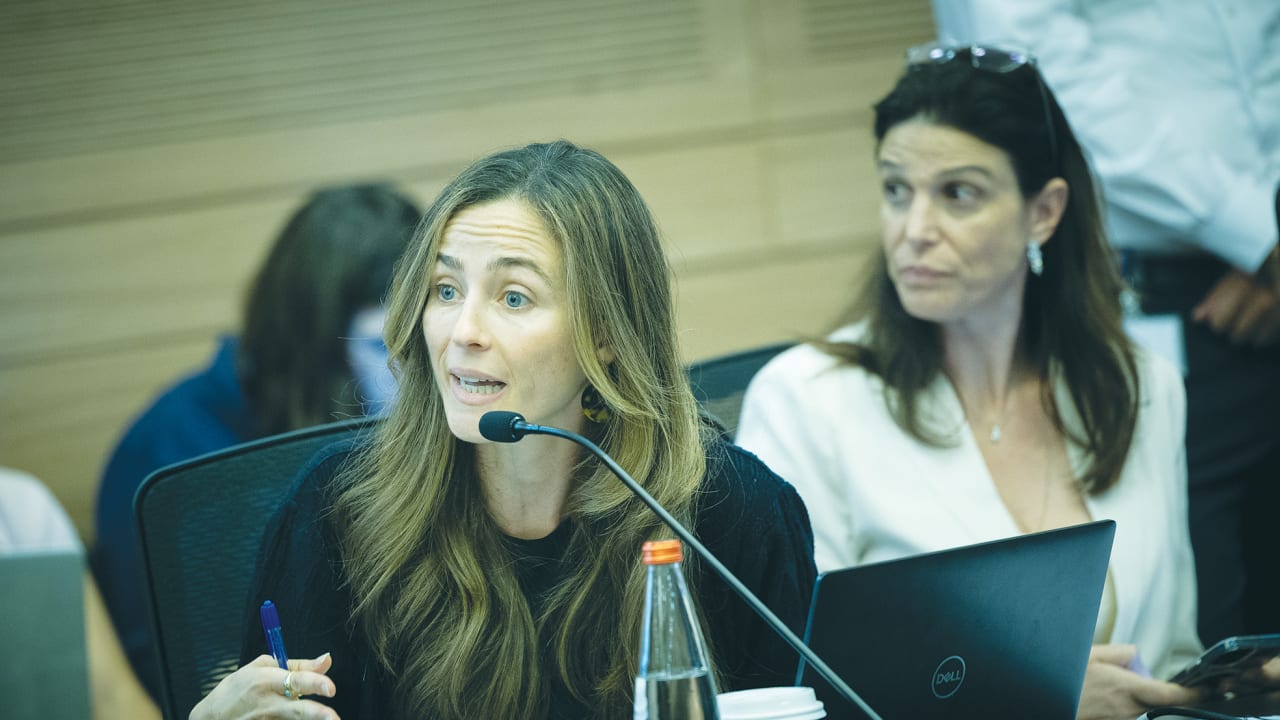
October 7 survivor Shaylee Atary on Sunday testified during a Knesset Committee for the Advancement of the Status of Women to share that she was a victim of a violent rape in 2011, urging reforms to how authorities handle sexual assault complaints.
Atary stated that the man she accused is protected by a court gag order, which prevents accountability.
“At a residents’ garage beneath a Tel Aviv shared apartment in April 2011, I was raped,” Atary said in her statement to the committee, chaired by MK Meirav Cohen.
“A roommate found me unconscious, my tights torn, my own urine pooled beside me.” She said she remembered raising a toast at a neighborhood bar with acquaintances from the Rimon music school, including the alleged assailant, and then “nothing but the violence.”
Atary described gaps in memory, physical injuries, and years of trauma that followed. She said that she later confronted the alleged attacker by phone, but she could not publicly name him due to a gag order.
“The justice system hands out gag orders to rapists like candy,” she told MKs, adding that “the public’s right to know is far more important, yet I am still silenced.”
Atary recounted photographing her bruises on the day of the attack and piecing together events with the help of another witness, who told her she appeared incapacitated and was offered a ride home by the alleged attacker.
She said she left the Rimon school, transferred to the Nissan Nativ acting studio, and withdrew from her apartment and job.
“I sat for months facing a white wall trying to forget, but the body remembers,” she said, adding that in 2014 she was diagnosed with PTSD at Ichilov Hospital’s Lotem Center for sexual assault survivors.
She said a former center director advised her to focus on recovery rather than pursue a case in court, fearing further harm from the legal process.
Atary later alleged that the man who assaulted her used “money, power, and status” to suppress complaints, including hiring a private investigator who posed as a university representative in an attempt to manipulate her.
“Our system cannot grant a license to rape. With enough money, you get a gag order and keep going,” she said.
Atary said she ultimately filed a police complaint 11 years after the rape, providing details and contacts for other alleged victims. She accused police of dismissiveness and said prosecutors closed the case, while the court shielded the suspect with a publication ban.
“Investigative materials showed negligence and a lack of will to find the truth,” she said. “If a Nukhba terrorist did not destroy my ability to live, I will remain alive, hoping for truth and justice.”
Former minister's secretary also testified she was assaulted
Michal Gadisman, who said she previously worked as a senior secretary for former minister Silvan Shalom, also testified, alleging he sexually assaulted her years ago.
Following Shalom's reported candidacy for the chairmanship of Israel Aerospace Industries, she urged lawmakers to prevent the appointment.
“This will not happen,” Gadisman told the panel. “He should be behind bars.”
Gadisman said she considered filing a complaint at the time but was advised that powerful media connections would thwart her case. She alleged a past relationship between a journalist and an investigator, saying her police file was closed for “lack of public interest.” She called on the Knesset to advance legislation removing statutes of limitations for sexual offenses.
Committee chair MK Meirav Cohen responded that the hearing was public and that the panel would take the matter forward. “We are issuing a public call not to appoint Silvan Shalom as Israel Aerospace Industries chair,” she said.