The Palestinian Authority should set a new date for the Legislative Council elections – and Israel should allow Palestinians to cast their ballots in Jerusalem, the European Union and the United Nations said on Friday.
“A new date for elections should be set without delay,” EU foreign policy chief Josep Borrell said.
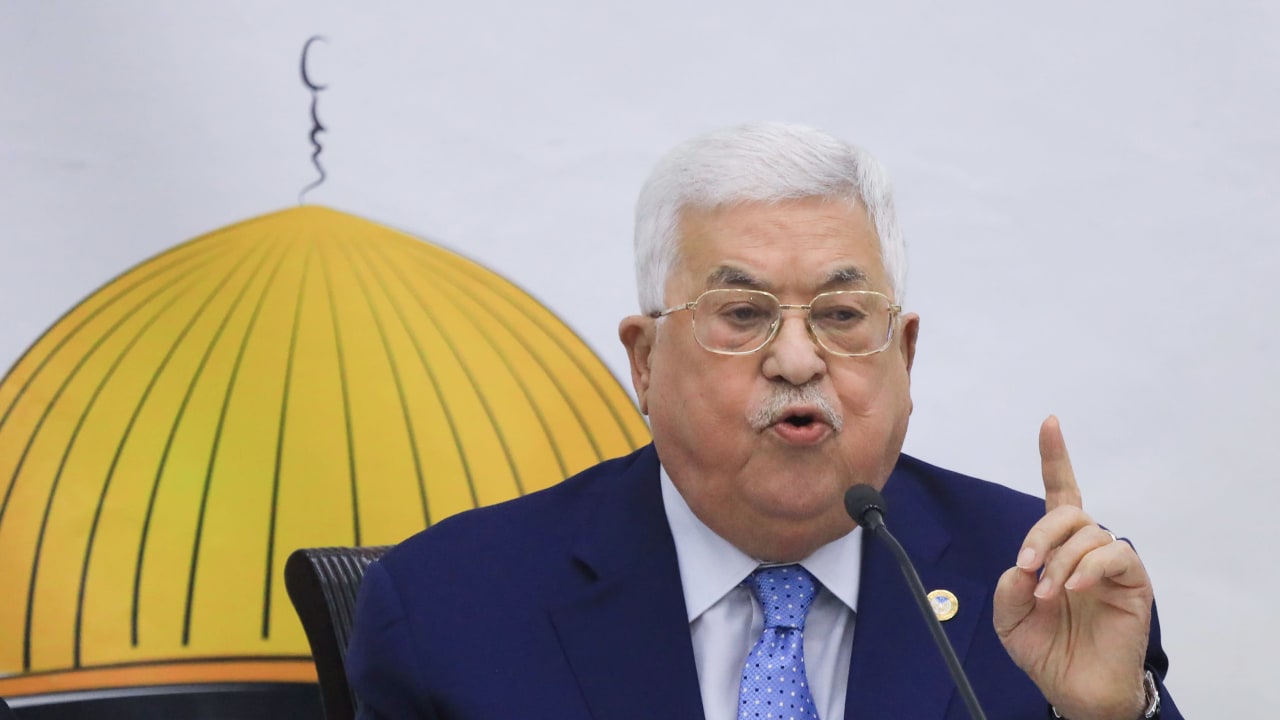
Abbas blamed Israel for the delay, explaining it had rejected a request to allow for Palestinians to vote in Jerusalem. Israel has not issued a formal public response on the matter.
Borrell also spoke of Israeli culpability.
The last elections for the Legislative Council were held in 2006, with Israel allowing eligible Palestinians living in Jerusalem to cast their ballots in east Jerusalem post offices.
At issue for both Palestinians and Israel is the issue of sovereignty. Israel annexed east Jerusalem from Jordan in the aftermath of the Six Day War, formally applying sovereignty to it in 1980.
Jordan relinquished its claim to east Jerusalem in 1988, and the Palestinians hold that it should be the capital of its future state and included within its final borders. The ability of Palestinians to cast their votes in Jerusalem is a sign that the PA has a foothold in Israel’s capital, a step which the Jewish state opposes and which the Palestinians support.
Wennesland said that “the holding of transparent and inclusive elections throughout the Occupied Palestinian Territory, including in east Jerusalem as stipulated in prior agreements, remains essential for renewing the legitimacy and credibility of Palestinian institutions and opening the path to reestablishing Palestinian national unity.”
The Turkish Foreign Ministry also urged Israel to clarify that Palestinians could vote in east Jerusalem.
“We call upon the Israeli government to end its obstructive policies and to respect the provisions of the 1995 Oslo Interim Agreement, so that the Palestinian elections will be conducted at the earliest possibility,” the ministry said.
It also called on Palestinian factions including Fatah and Hamas to unite, adding that the delay should not harm the reconciliation process.