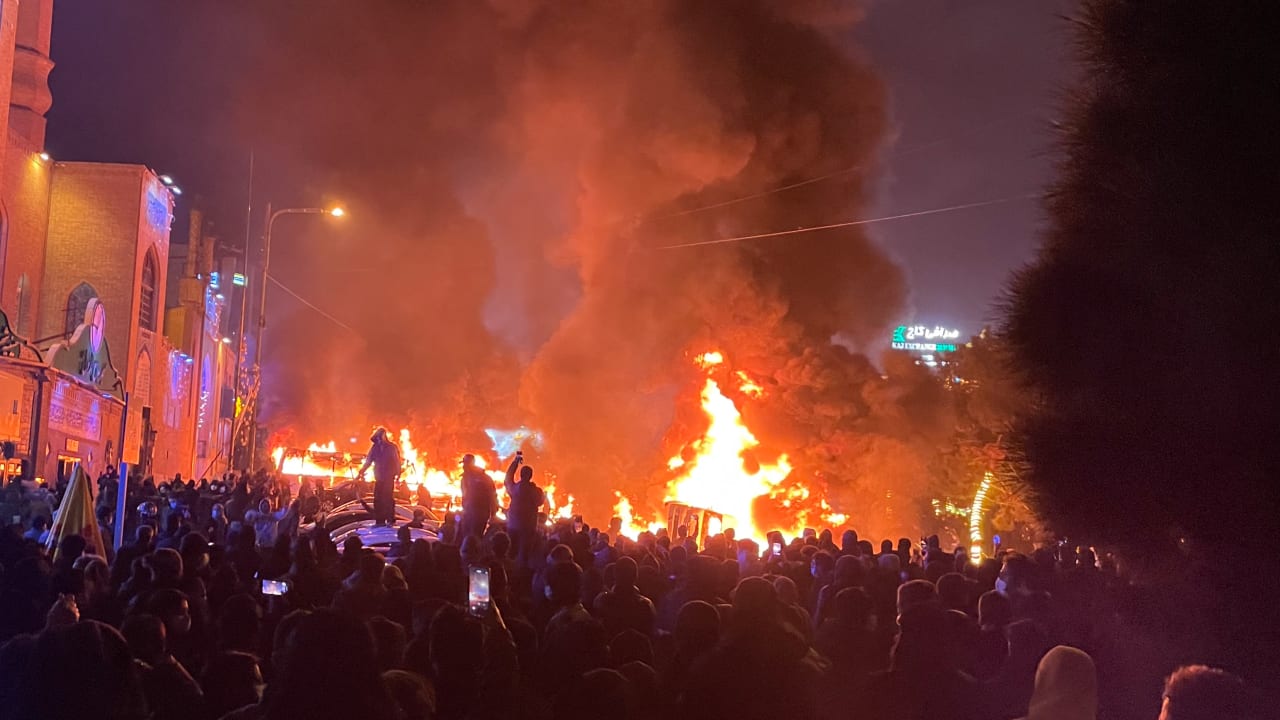
A coalition of about 60 Iranian opposition organizations has submitted a legal communication to the International Criminal Court (ICC), calling on prosecutors to examine alleged crimes against humanity committed by Iranian authorities and affiliated security forces during recent protest crackdowns.
For more stories from The Media Line go to themedialine.org
The filing, dated February 25, 2026, requests a preliminary examination under Article 15 of the Rome Statute and was also sent to the UN Secretary-General and national jurisdictions that apply universal jurisdiction.
The submission argues that Iranian security institutions carried out a sustained campaign of violence against civilians during multiple protest waves. It cites allegations of live fire against demonstrators, pellet ammunition causing lasting injuries, arrests without due process, and enforced disappearances. The opposition coalition claims that the reported conduct could meet the legal standard of a widespread or systematic attack against a civilian population.
The communication was prepared by attorney Danial Estakhr and endorsed by dozens of diaspora-based political and human rights groups, including monarchist networks and advocacy organizations active across Europe and North America.
Iranian opposition media outlets have described the initiative as part of a broader effort to pursue international accountability following the nationwide “Woman, Life, Freedom” protests that began in 2022.

Push to pursue international accountability, justice
Western reporting has noted that activists have increasingly turned toward international legal mechanisms as domestic avenues for justice remain limited.
The filing also raises questions about command responsibility, arguing that Iran’s political system, in which ultimate authority over the armed forces rests with the supreme leader, could be relevant if investigators determine that crimes occurred.
Legal analysts cited in Western coverage say the ICC faces jurisdictional challenges because Iran is not a member of the Rome Statute.
Still, such submissions can shape future investigations and contribute to diplomatic pressure campaigns. The ICC has not publicly announced whether it will open a preliminary examination.