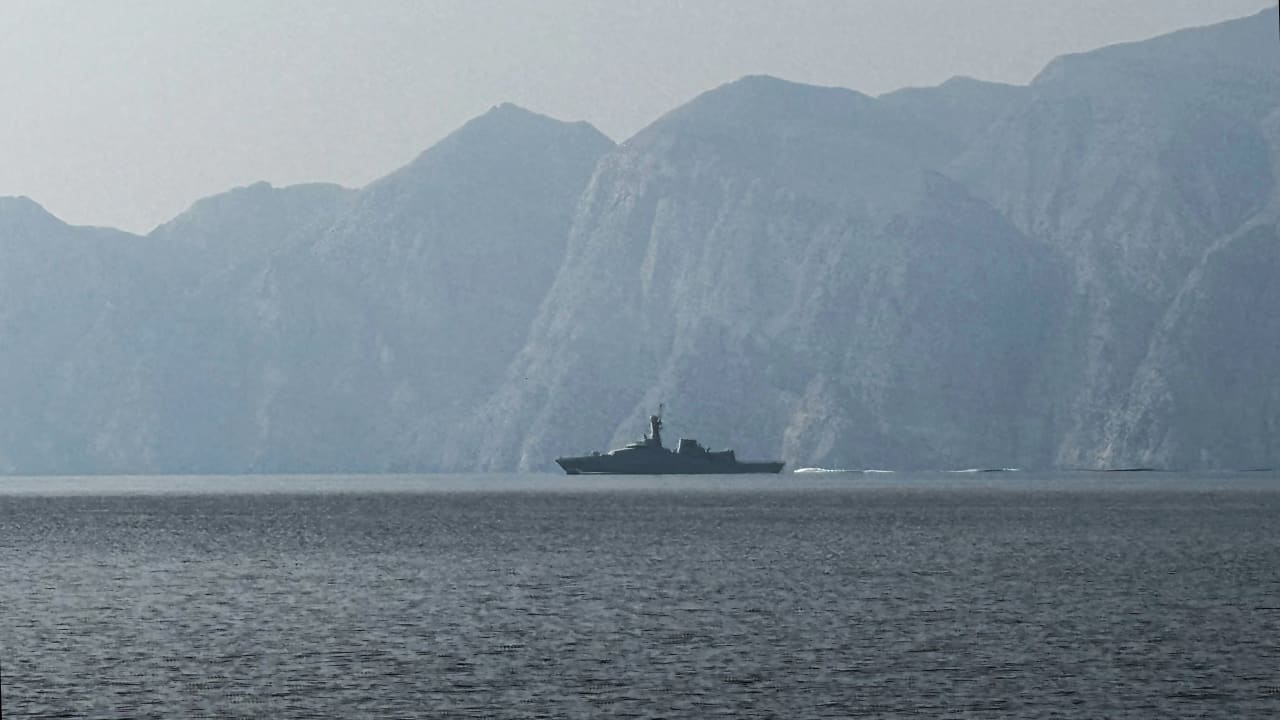
China is in talks with Iran to allow crude oil and Qatari liquefied natural gas vessels safe passage through the Strait of Hormuz as the US-Israeli war on Tehran intensifies, three diplomatic sources told Reuters on Thursday.
The war, which entered its sixth day on Thursday, has left the critical shipping passageway all but shut, with countries around the world cut off from a fifth of global oil and liquefied natural gas supplies.
China, which has friendly relations with Iran and relies heavily on Middle Eastern supplies, is unhappy about the Islamic Republic's move to paralyze shipping through the Strait and is pressing Tehran to allow safe passage for the vessels, according to the sources.

The world's second-largest economy gets about 45% of its oil from the Strait.
Ship-tracking data showed that a vessel called the Iron Maiden passed through the Strait overnight after changing its signaling to "China-owner," but far more sailings will be needed to calm global markets.
Crude oil prices up due to Iran war
Crude oil prices are up more than 15% since the conflict began amid production stoppages as Tehran attacks energy facilities in the Gulf as well as ships crossing the Strait.
Its missiles have also reached as far afield as Cyprus, Azerbaijan, and Turkey, destabilizing global markets and prompting major economies to warn about inflation risks.
Crude tanker transits through the strait fell to four vessels on March 1, the day after hostilities broke out, versus an average of 24 a day since January, according to Vortexa vessel-tracking data.
Around 300 oil tankers remain inside the Strait, according to Vortexa and ship tracker Kpler.
Sugar industry veteran Mike McDougall told Reuters that Middle East sugar executives say there are some ships transiting the Strait at the moment, all of which are either Chinese or Iranian-owned.
Jamal Al-Ghurair, the managing director of Dubai-based Al Khaleej Sugar, told Reuters some ships carrying sugar are currently allowed to pass through the Strait while others are not, without giving further details.
Iran's government said earlier in the week that no vessels belonging to the United States, Israel, European countries, or their allies would be allowed to pass through the Strait of Hormuz, but the statement made no mention of China.