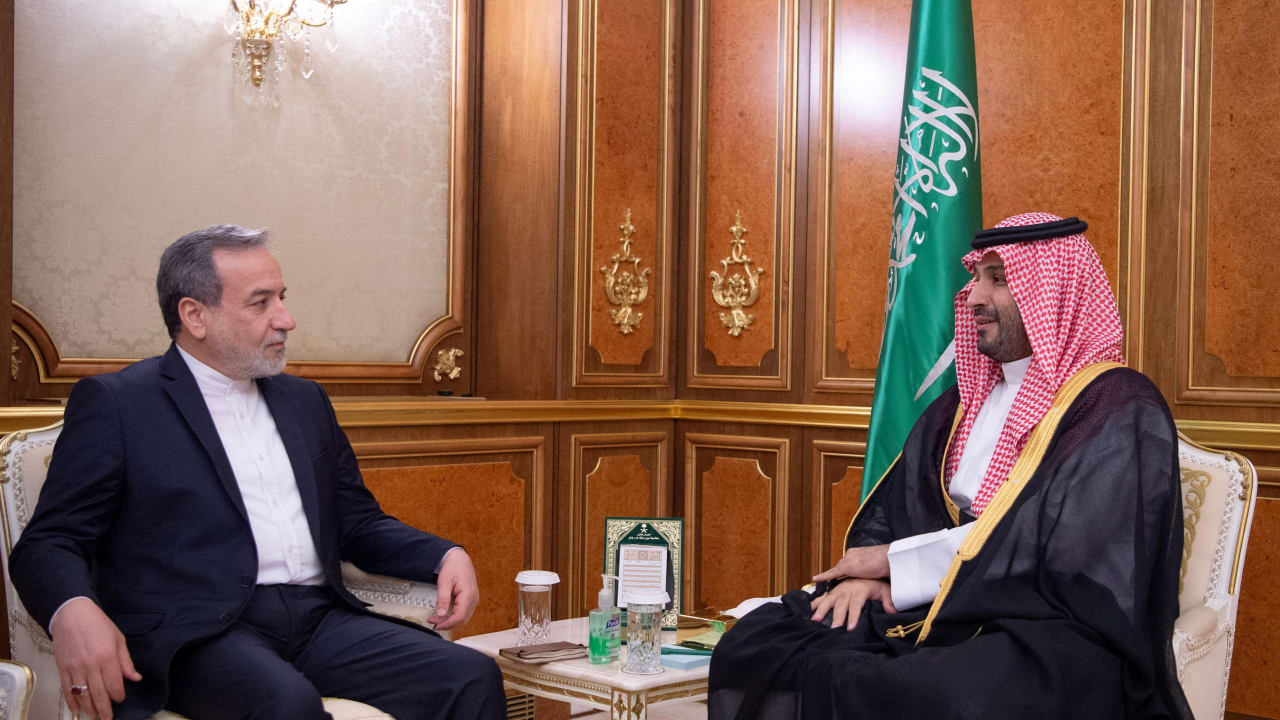
Riyadh’s decision to expel Iranian officials from Saudi Arabia, after hundreds of attacks were launched by the Islamic regime on its soil, brings into question the future of the Beijing-brokered 2023 Riyadh-Tehran normalization agreement, a regional expert told The Jerusalem Post on Sunday.
Saudi Arabia expelled Iran’s military attache, his assistant, and three embassy staff members on March 22, 24 hours after they were declared personae non gratae over the Islamic regime’s continued attacks on the country. The decision, announced by the Saudi foreign ministry, follows a similar move by Qatar, which also declared the security and military attaché in Iran’s embassy persona non grata on Wednesday.
Saudi Arabia and Iran re-established diplomatic ties in 2023 as part of an effort to calm regional tensions after the two countries cut ties in 2016, when the execution of a Shi’ite Muslim cleric led to Riyadh’s embassy in Tehran being stormed.
Relations worsened between the countries after several drone attacks on Saudi oil facilities in 2019, though Tehran denied any responsibility.
Najah Al-Otaibi, a Saudi researcher and analyst specializing in international relations and the Gulf region, told the Post that the recent escalation has “effectively ended the 2023 Beijing-mediated normalization agreement between Saudi Arabia and Iran.”
The Saudi foreign ministry stated that continued Iranian attacks would lead to further escalation and have “significant consequences” for current and future relations, which followed a Wednesday statement by the Saudi foreign minister warning the kingdom reserved the right to act militarily against Iran, and any trust with Tehran had been shattered following recent attacks.

'A frustrating setback'
Saudi Arabia and Iran announced their renewed commitment to the agreement in December, only weeks before US and Israeli strikes on Iran marked the beginning of another war between the Jewish state and the Islamic regime.
A statement released by the Ministry of Foreign Affairs of the People’s Republic of China, which at the time condemned Israel’s “infringement on Iran’s national sovereignty and territorial integrity,” said the three nations had been looking forward to “expanding cooperation in economic, political and other fields, and emphasized the importance of dialogue among regional countries aimed at consolidating security, stability, peace, and economic prosperity.”
“This is a frustrating setback for those who believed diplomacy could finally resolve these long-standing differences,” Al-Otaibi said. “In response, Saudi Arabia and its GCC [Gulf Cooperative Council] partners appear to be unifying their military strategies – a positive step toward strengthening their collective self-defense and stability, given the current tensions.”
Arash Azizi, an academic and author of the book What Iranians Want, added, “Measures taken by Qatar and Saudi Arabia against [the Islamic regime in] Iran are far from symbolic – they show serious resolve and a protest at Iran’s escalations.”
Azizi warned, “Iran risks ruining years of its attempt to curry favor with Riyadh and Doha. As GCC countries plan for their long-term security, they will now view Iran much more alarmingly. They are, in fact, invested in affecting its future.”
Reuters contributed to this report.