The Middle East may be edging closer to another military confrontation, warned Danny Citrinowicz, an Iran expert at the Institute for National Security Studies (INSS), after a 21-hour round of unproductive talks between a US delegation and Tehran in Pakistan.
In an interview on 103FM, Citrinowicz noted that both the US and Iran are convinced they hold the upper hand, significantly lowering the chances of any compromise.
Citrinowicz explained that the US entered the talks with maximalist demands, mistakenly assuming they could force Iran into concessions. On the other hand, Iran came to the negotiations from a position of strength. Despite the toll of the ongoing conflict, Tehran believes it can disrupt the global economy and inflict substantial costs on both the US and Israel if tensions escalate further.
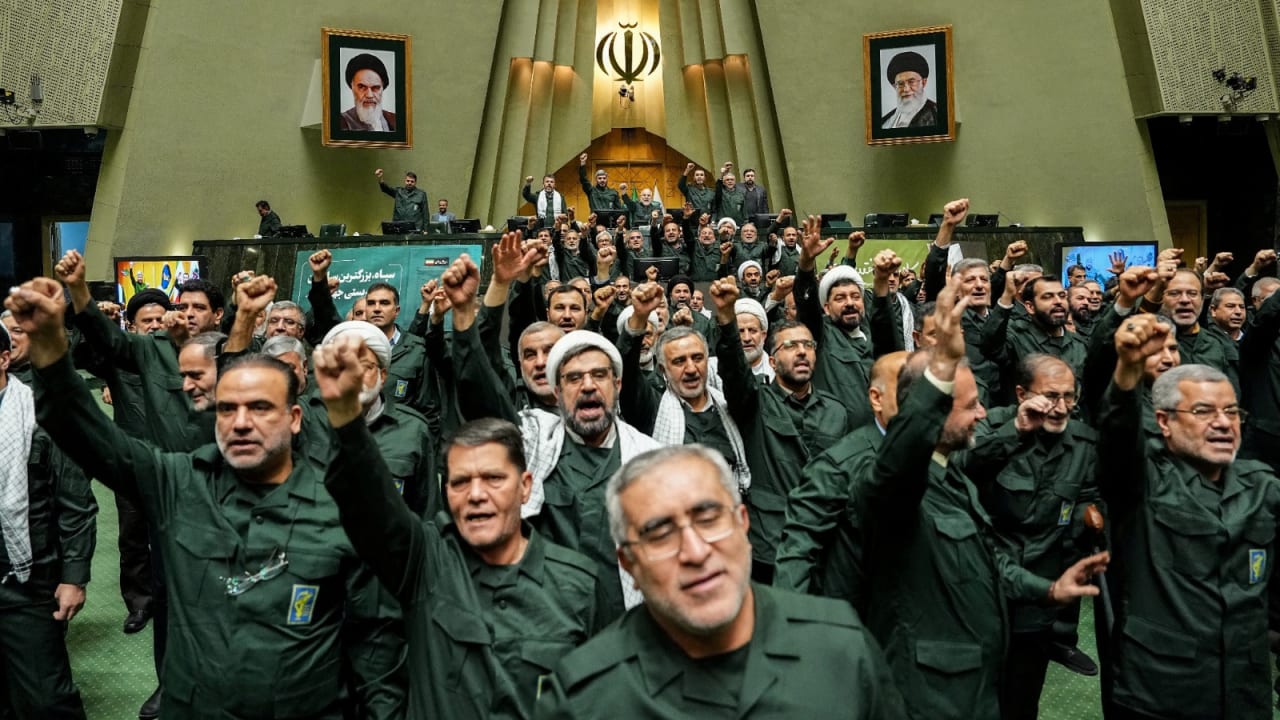
The expert also assessed the current political situation in Tehran, pointing out that the country is now firmly under the control of the Islamic Revolutionary Guard Corps (IRGC), a radical, decentralized military faction. This shift has made decision-making more erratic and inflexible, a stark contrast to past Iranian leadership, which was more cautious in its approach.
Moreover, Citrinowicz argued that the Trump administration is struggling to present a credible threat capable of forcing Iran to retreat from its positions. He stressed that Iran is not afraid of direct military confrontation and might view the potential deployment of American forces in the region as an opportunity to retaliate. The ball is now in US President Donald Trump’s court, Citrinowicz said, and he must decide whether to soften his stance or risk pushing the region toward a more dangerous escalation.

Trump delivers Tehran an "ultimatum” on uranium enrichment
US Vice President JD Vance told reporters before departing from Pakistan on Sunday that it was “bad news” that no agreement had been reached, but it was worse for Iran. This comment, combined with the sailing of two warships through the Strait of Hormuz on Saturday to clear mines and rumors of a multinational naval force, suggested that the US was not planning to back out of the conflict.
US sources have told The Jerusalem Post that Trump has effectively delivered Tehran an “ultimatum” on uranium enrichment
On the issue of reopening the Strait of Hormuz, Trump has announced a naval blockade on the key waterway, threatening retaliation against any Iranian aggression.
Danielle Greyman-Kennard contributed to this report.