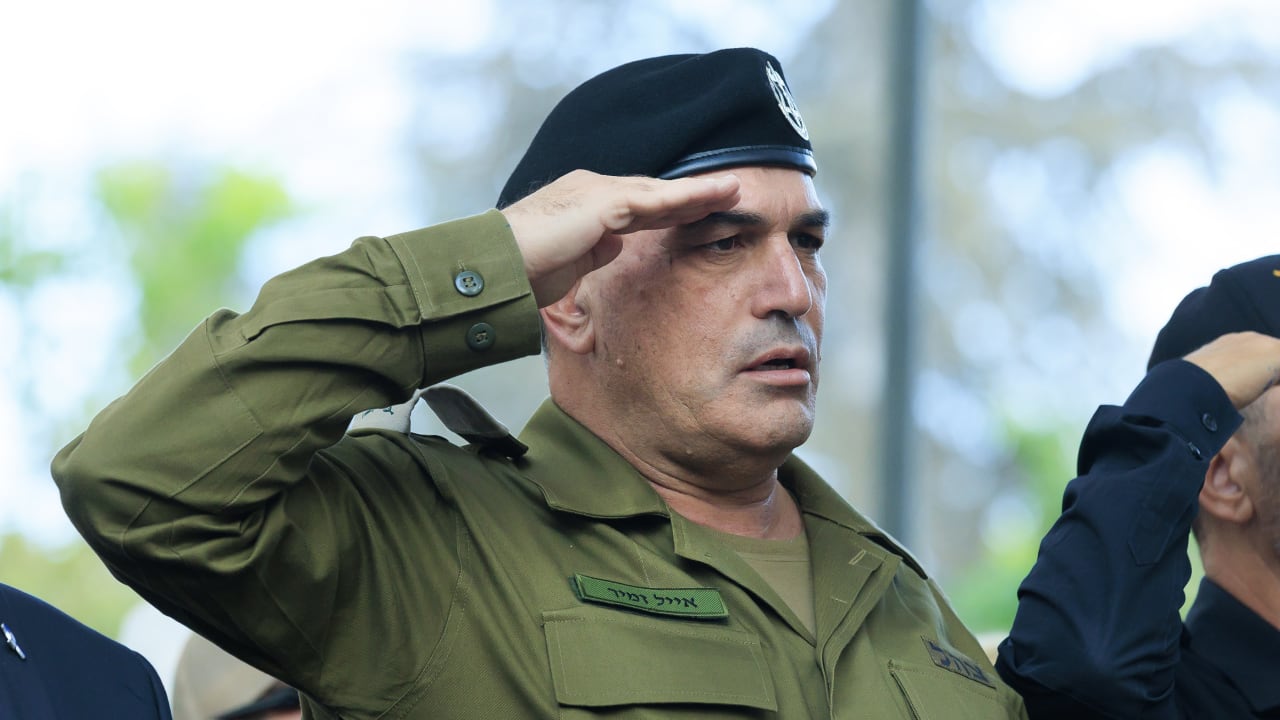
The conduct of the IDF in Gaza has come under intense global scrutiny, raising a host of troubling questions. Among the most serious are allegations that Israel has committed genocide against Palestinians in Gaza.
According to recent reports from the UN Commission of Inquiry and Israeli human rights organizations such as B’Tselem and Physicians for Human Rights Israel, there is mounting evidence that the IDF has committed acts that meet the legal definition of genocide under the 1948 Convention. These include mass killings, destruction of infrastructure, and actions that suggest an intent to destroy, in whole or in part, a national, ethnic, racial, or religious group.
However, these claims are not universally accepted. Some scholars and analysts argue that the genocide narrative is politically motivated or based on flawed methodologies. The Israeli government and its supporters have strongly rejected these accusations, calling them defamatory and baseless. This divergence in interpretation underscores the complexity of assessing military conduct in conflict zones, especially when emotions and political stakes are high.
Issues with the IDF's actions in Gaza
Another pressing concern is whether IDF soldiers have acted out of revenge rather than strategic necessity. Following the October 7 attacks by Hamas, which resulted in the deaths of over 1,200 Israelis, there was a surge of national grief and anger. Critics argue that this emotional climate may have influenced military decisions, leading to disproportionate responses and collective punishment.
The flattening of approximately 80% of Gaza’s infrastructure has been cited as evidence of such excess. While the IDF claims these operations were aimed at dismantling Hamas’s military capabilities, the scale of destruction has raised questions about proportionality and the protection of civilian life.

The humanitarian situation in Gaza has further intensified scrutiny. Reports of deliberate starvation tactics – such as blocking aid, restricting food and water supplies, and targeting agricultural infrastructure – have led some observers to accuse Israel of using starvation as a weapon of war.
International law prohibits such actions, and if proven, they could constitute war crimes. Israel denies these allegations, asserting that any disruptions to aid are due to security concerns and Hamas’s exploitation of humanitarian channels.
Torture is another deeply troubling issue, revealed when reports about IDF conduct at the Sde Teiman army base were published in the media. In Sde Teiman, Palestinian detainees are held in secrecy, with little oversight. While Israel has laws prohibiting torture, human rights organizations have documented cases of abuse, particularly during interrogations of Palestinian detainees.
The duration and severity of such practices remain opaque, partly due to the lack of transparency and independent oversight. This secrecy fuels speculation and undermines trust in the IDF’s commitment to ethical conduct. It is unclear whether the IDF Code of Ethics is known to commanders and soldiers.
The political dynamic that encourages problems
At the heart of these controversies lies a broader cultural and political dynamic: In Israel, security is paramount, and the IDF is revered as a sacred institution. This reverence often translates into a reluctance to question or criticize its actions. The IDF is seen not just as a military force but as a symbol of national resilience and survival. As a result, calls for accountability are frequently dismissed as unpatriotic or hostile.
This culture of deference poses a serious challenge to democratic oversight. When an institution is placed beyond critique, it becomes vulnerable to excesses and abuses. The absence of robust mechanisms to monitor and evaluate the IDF’s conduct means that violations may go unaddressed, and victims may be denied justice. It also risks eroding Israel’s moral standing and its commitment to international norms.
More profoundly, accountability is not merely about external image; it is about internal integrity. Israeli democracy depends on ensuring that no institution, however sacred, is placed above scrutiny. The reverence for the IDF, while understandable historically, has too often become deference. A democratic society cannot afford to protect its military from honest evaluation.
To address these concerns, it is imperative to establish an independent body tasked with scrutinizing the IDF’s operations. This body should be empowered to conduct investigations, issue periodic reports, and recommend reforms. It must be insulated from political pressures and composed of experts in international law, human rights, and military ethics. Transparency should be a guiding principle, with findings made accessible to the public and subject to parliamentary review.
Such a mechanism would not only enhance accountability but also strengthen the IDF’s legitimacy. By demonstrating a willingness to confront difficult truths and uphold ethical standards, Israel can reaffirm its commitment to justice and human dignity. It would also help restore trust among Palestinians and the international community, paving the way for more constructive engagement and conflict resolution.
The allegations surrounding the IDF’s conduct in Gaza are serious and demand a thorough investigation. Whether or not genocide has occurred, the scale of destruction, humanitarian suffering, and reports of abuse point to systemic issues that cannot be ignored.
Security may be Israel’s top priority, but it must not come at the expense of accountability, the rule of law, and international human rights. The time has come to move beyond reverence and embrace scrutiny – not to weaken the IDF, but to ensure it remains a force for protection, not oppression.
The writer, DPhil Oxford, is a prolific scholar and institutional founder with 350+ publications. He held distinguished roles at Haifa, UCLA, Hull, Lund, UCL, Jerusalem, and Woodrow Wilson Center, and taught globally.