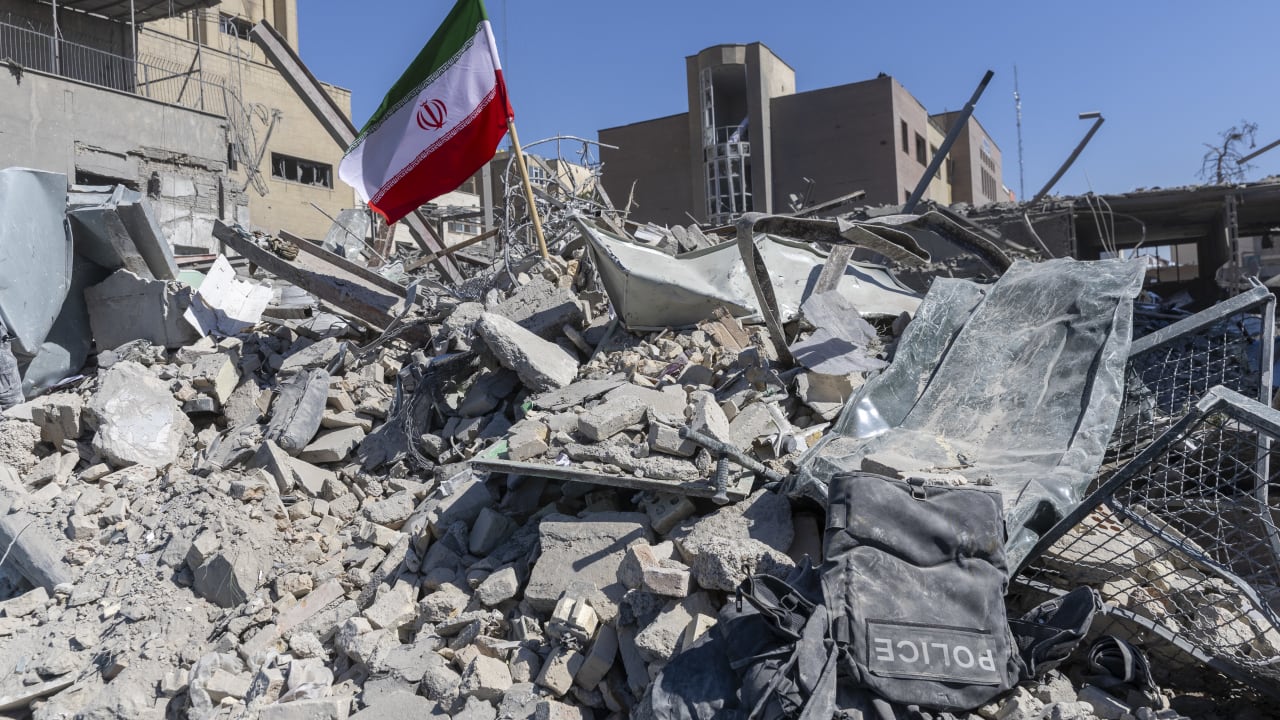
Apparently, the dominant international narrative vehemently rejects the triumphalist framing of the military campaign against Iran, categorizing it as a dangerous strategic gamble devoid of a viable exit strategy.
While conservative media outlets frame the conflict as a necessary intervention, the macro-level global consensus dismisses this narrative based on a rational cost-benefit analysis.
Based on current observable indicators, the military campaign seemingly lacks a defined strategic endgame that includes a concrete blueprint for the “day after.”
International observers identify a severe analytical flaw: an overreliance on the unverified assumption that regime decapitation will spontaneously yield a stable, pro-Western transition. Geopolitical history demonstrates that such a hope is not a viable strategy.
Meanwhile, what began as a targeted confrontation is metastasizing into a full-scale regional conflict. Peripheral actors, including Bahrain, the United Arab Emirates, and Saudi Arabia, are being violently dragged into the strategic crossfire.
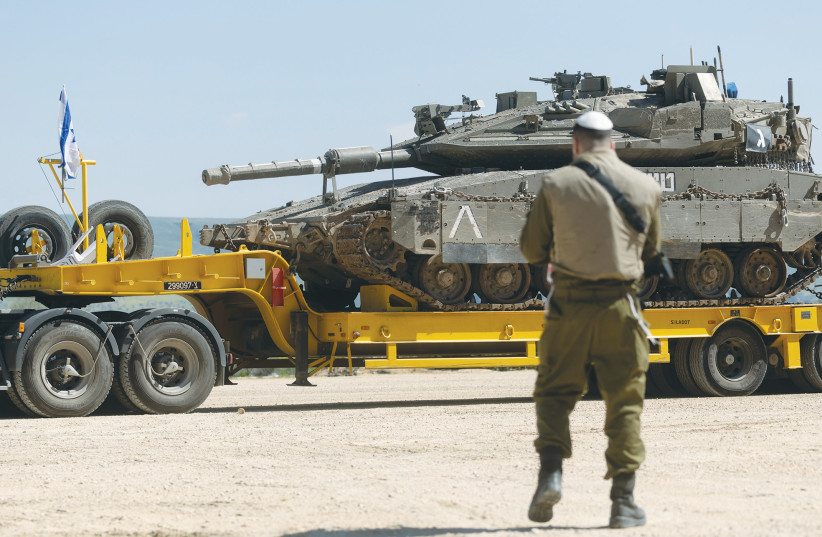
The geographic proliferation to the Eastern Mediterranean, notably unprovoked strikes on Cyprus, raises critical questions regarding whether the EU and maybe also NATO should abandon passive diplomacy for active military engagement under collective defense principles.
The normative dilemma: Westphalia versus the responsibility to protect
The global reluctance to endorse forcible regime change is anchored in the fear of establishing a dangerous systemic precedent.
Normalizing such interventions threatens to undermine the core Westphalian principle of state sovereignty, potentially unleashing unrestrained global interventionism akin to the disastrous aftermaths in Iraq and Libya.
Conversely, the Iranian regime’s systematic human rights abuses and ruthless suppression of civil society mean it forfeits this sovereign shield under the UN’s Responsibility to Protect (R2P) framework.
The international community is thus caught in a strategic trap: the moral mandate to invoke R2P and neutralize the regime’s nuclear breakout collides violently with the catastrophic reality of a massive power vacuum.
However, the internal resolution of this crisis, whether it manifests as deep structural reforms, a fundamental behavioral shift by the current apparatus, or an ultimate transformation of governance in Iran, remains strictly the prerogative of the Iranian people.
The timeline paradox and the power vacuum
Relying on internal regime change introduces a profound strategic paradox rooted in conflicting timelines.
The window to halt Iran’s nuclear weaponization process is shrinking even after the severe blows the Iranian nuclear program suffered in June 2025. This closing timeframe was explicitly underscored by US Special Envoy to the Middle East Steve Witkoff following his recent meeting with the Iranians in Geneva:
“They sat before us and proudly weaponized their evasion of oversight, stating frankly that their 460-kilogram stockpile was ready to deliver 11 nuclear bombs…”
This timeline discrepancy generates the realistic fear of a power vacuum in Iran. Collapsing the Iranian central state apparatus without a meticulously planned “day-after” strategy risks plunging the nation of 90 million into a brutal, fragmented civil war and the establishment of an unconstrained military dictatorship.
The ultimate nightmare lies in the potential loss of centralized control over Iran’s advanced nuclear infrastructure and its vast network of regional proxies.
On the other hand, it is obvious that grassroots democratic revolutions inherently require significant time to mature against an entrenched apparatus of internal suppression.
Global economic contagion
The strategy of regime decapitation is already profoundly destabilizing the world economy through multiple compounding crises, including:
The energy shock: Direct drone strikes on Saudi Arabia’s Ras Tanura facilities and Qatar’s core operational facilities in Ras Laffan and Mesaieed hit the absolute nerve center of the global energy supply chain.
These attacks forced Qatar to suspend liquefied natural gas (LNG) production and caused Brent crude futures to violently surge by over 10%, crossing the $80 mark. Major financial institutions warn that sustained disruptions could drive oil past $100 a barrel, reigniting a global inflationary crisis.
The market contagion: This energy anxiety has immediately bled into global equities, with major European indices plunging by over 2%. The sudden spike in geopolitical risk premiums indicates that markets are pricing according to a prolonged, economically damaging regional war rather than a swift, clean victory.
The supply chain paralysis: The expanding conflict threatens critical maritime choke points like the Bab-el-Mandeb Strait, forcing major shipping conglomerates to reroute around the Cape of Good Hope.
This adds weeks to transit times and skyrockets maritime insurance premiums, while massive Middle Eastern airspace closures force costly detours for Eurasian air freight, creating a compounding logistical nightmare that directly threatens to halt global trade flows.
Necessity of a diplomatic terminating leg
Geopolitical history has demonstrated that kinetic operations alone can’t serve as a viable exit strategy. The indispensable “terminating leg” of any severe crisis involving Iran must be a robust, multinational diplomatic framework.
While military leverage may shatter the current Iranian power structure and alter facts on the ground, only structured diplomacy can translate these shifts into sustainable conflict resolution, secure advanced nuclear assets, and stabilize paralyzed global markets.
Dismantling the Iranian state institutions without this binding diplomatic architecture for the “day after” is not a strategic victory: it is the deliberate detonation of a geopolitical abyss at the absolute nerve center of the global economy.
The writer is a retired Israeli diplomat who served as ambassador to Hungary and Croatia, following a distinguished career in senior diplomatic and strategic roles.