Newton’s Third Law, the cornerstone of classical mechanics, dictates a simple yet absolute truth: For every action, there is an equal and opposite reaction. Since the 17th century, this principle has governed our understanding of celestial motion and physical collisions.
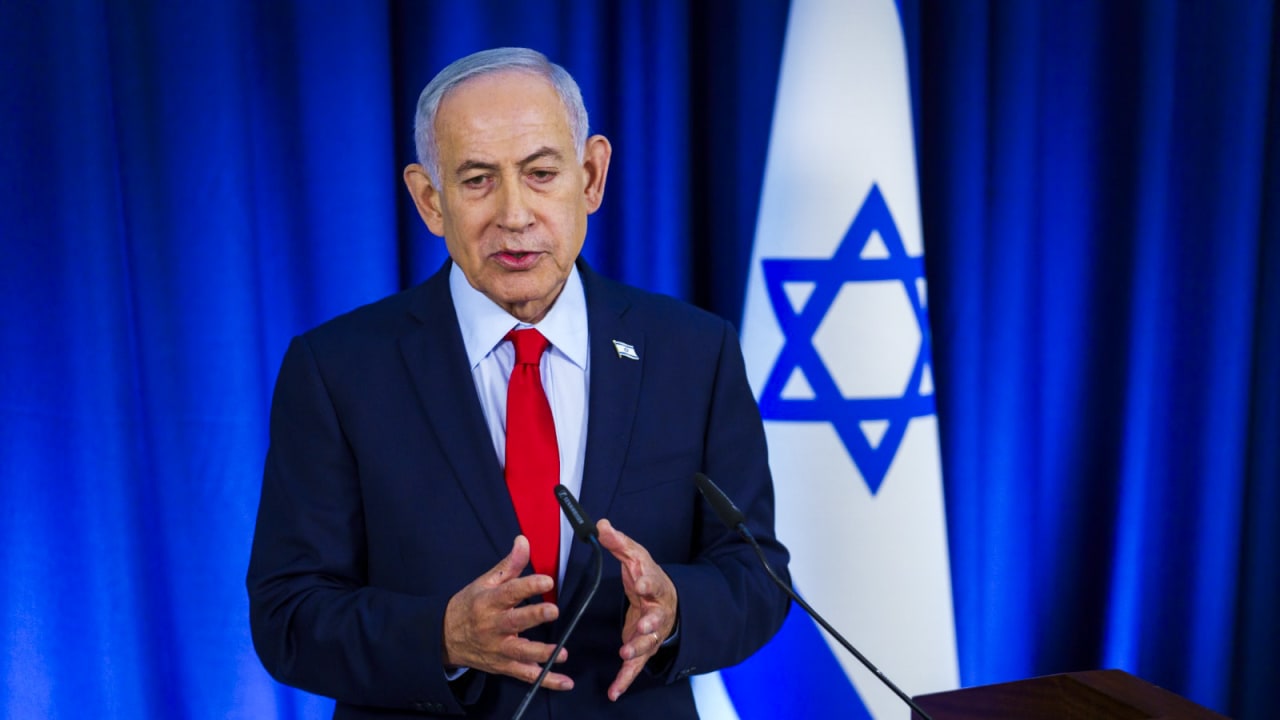
However, since the events of October 7, Israel has moved to rewrite the laws of regional geopolitics, with the current war against Iran, Operation Epic Fury, serving as the definitive expression of this shift. No longer content with merely reacting to external forces, Israel has transformed into the prime intiator, positioning Prime Minister Benjamin Netanyahu as the “New Newton” of Israeli strategic doctrine.
This strategic pivot, from a reactive to a proactive approach, did not emerge in a vacuum. It was forged from the collective trauma of October 7, a day that exposed a staggering operational effectiveness gap.
The failures of October 7
The failure was rooted in systemic factors, including a profound misreading of the security landscape and the adoption of a flawed defense strategy. This was further exacerbated by an over-reliance on technological superiority. Having not engaged conventional state armies since 1973, the IDF grew accustomed to counter-insurgency against terror groups, failing to recognize that Hamas had evolved into a structured military force.
This miscalculation led to a compromised security doctrine centered on the avoidance of offensive ground maneuvers, causing the nation’s ground capabilities to atrophy. Israel developed a chronic aversion to the very tool required to defeat a military existential threat.
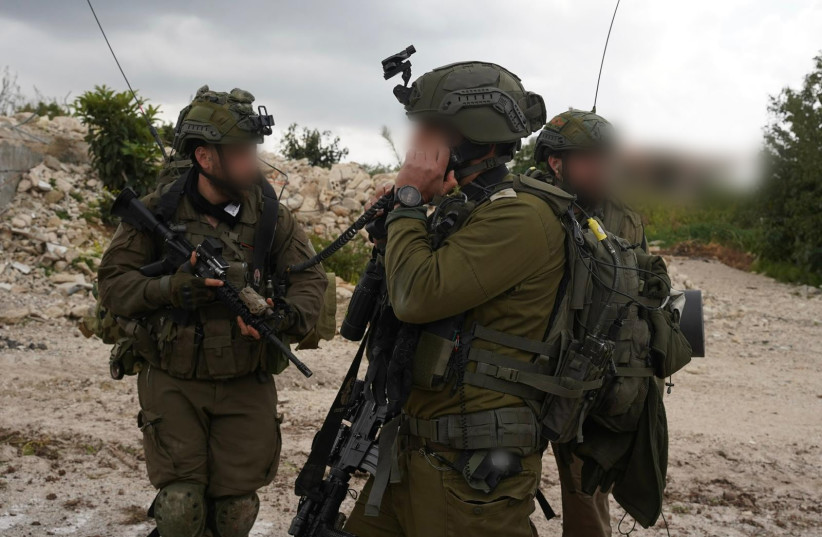
While the IDF had long correctly identified Hezbollah as a formal military threat with actionable plans to match, the conception on the southern front suffered a total collapse. Yet, in both arenas, the systemic failure ran deeper: a chronic reluctance to employ preemptive force to decapitate a threat before it could manifest.
Historical analysis shows that from 1948 to the eve of the October 7 massacre, Israel’s military strategy remained essentially reactive, responding to security events forced upon it rather than shaping them. It indicates a troubling paradox: As Israel’s qualitative superiority grew, its decisive operational impact eroded.
The events of October 7 were unprecedented in both scale and brutality. A total of 1,400 people were murdered, and 251 were abducted, including infants, children, the elderly, women, and men.
Effects of the trauma
The unimaginable cruelty witnessed by Israeli citizens has left a deep scar, as nearly every person in the country knows someone who was affected by this horrific event. The threat of abduction has cast a dark shadow over the Israeli psyche, impacting the overall well-being of the nation. This situation called for a renewal and rebirth.
Rebirth is rarely graceful. It is often painful, chaotic, and raw. Yet, through the “birth canal” of this national transformation, we have succeeded in systematically dismantling our enemies in the North and South while managing a seven-front war. We shattered old boundaries, striking in Yemen and the heart of Iran. Today, our operations in Iran aim to do more than weaken a regime – they seek to forge a new Middle Eastern reality.
While the regime has not yet fallen, the elimination of Ali Khamenei and his senior leadership is a seismic blow whose full impact is yet to unfold. Meanwhile, the IDF continues to achieve significant breakthroughs in neutralizing Iran’s strategic weapons production.
Perhaps most remarkable is that Israel is securing these gains while sustaining unwavering US support, a monumental feat for a nation facing relentless international scrutiny and internal friction within the White House over a war it did not choose.
Critics may choose to remain in the dark, closing their eyes to these milestones and labeling Israel as the “neighborhood bully.” This epithet signifies a significant perceptual victory, restoring Israeli deterrence to its full strength.
Israel has transcended the fear of regional bullies and rejected the role of the victim. We are actively stripping away the power of those who seek our destruction. The Israeli spirit is forged by survivors and sustained by warriors, but its true essence is that of a resolute nation of victors.
The writer is a national security expert, a senior fellow at JISS, and a strategic consultant to leading firms and organizations.