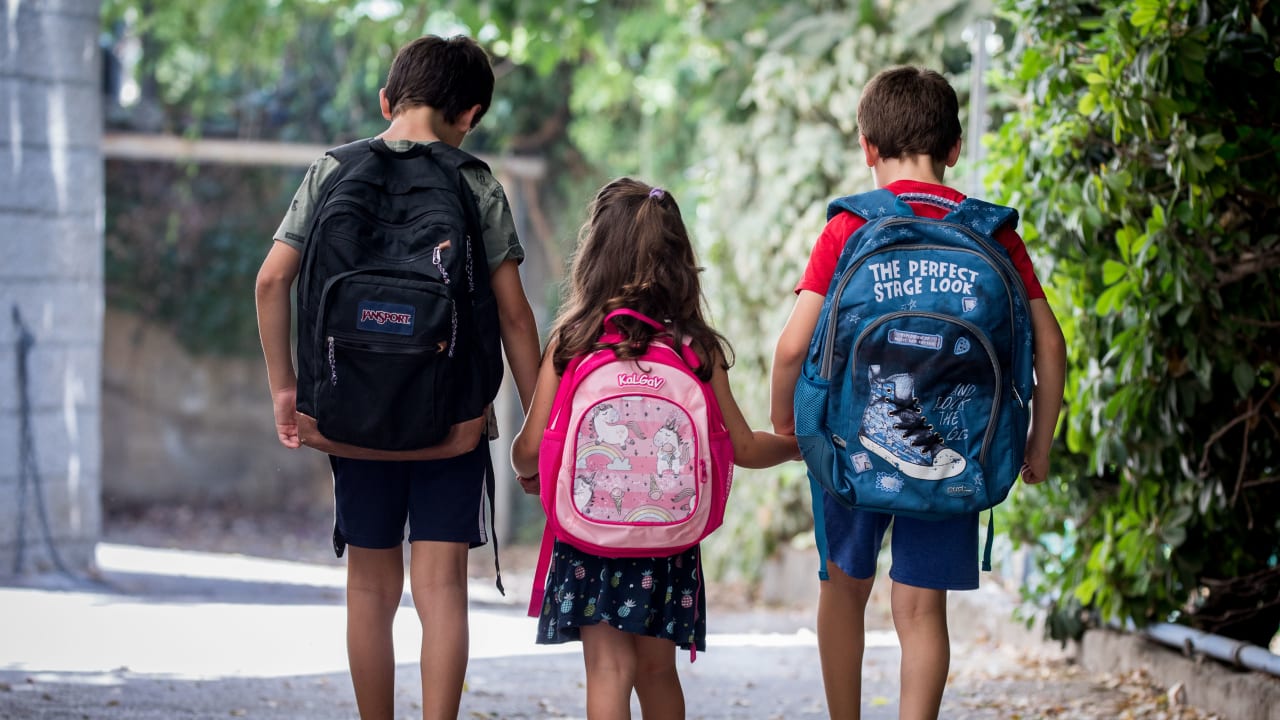
For the first time since the outbreak of the coronavirus pandemic in Israel, the entire educational system – from kindergarten to 12th grade – finally returned to full-time classroom study on Sunday. This is a benchmark in the country’s handling of the disease.
This academic year is almost drawing to a close, finishing for the youngest children by the end of June and earlier that month for older children. The Education Ministry should be planning now how the schools should function next year, when schools reopen on September 1.
It is sad that the government, which had enough advance vision to be among the first to sign agreements for the lifesaving and game-changing COVID-19 vaccines, lacks the same foresight when it comes to planning for such a vital area as education. Over and over again during the past year, we have seen last-minute decisions and lack of clear thinking, which left some grades feeling basically abandoned.
The return to school is definitely a challenge, but it also presents an opportunity. The ministry itself has lessons it can learn from the events of the corona crisis.
In the statement announcing the return to full studies, the ministry noted: “Middle- and high-school principals (seventh to twelfth grade) may arrange flexible learning programs to reduce students’ emotional, social and learning gaps that include individual, group, and integrated learning formats.”
This flexibility is to be praised. Similarly, allowing the principals to determine what best suits the needs of their students and their particular environments is also welcome. Mayors and local authorities should also be granted a freer hand in determining what works best for their populations.
Enforced remote learning has been extremely difficult for pupils, teachers and parents. However, its limited or supplementary use presents certain possibilities to, for example, reduce class size. Although the division into “capsules” is now no longer mandated from the viewpoint of the health guidelines, schools should examine employing the system on a more flexible basis as another means of reducing the number of students in classes. The use of outdoor environments may continue to make more classrooms available and could also serve as a means of stimulating the students.
Teachers must keep their eyes open for children having a difficult time socially returning to school and an organized routine. Certain children with social difficulties preferred being outside the school environment. Every effort must be made to ensure they have a safe transition back to the classroom. Schools need to be a place where social skills and how to relate to others are also taught. Attention must also be paid to how different children fare and what they themselves prefer in different educational environments. This is not a one-size-fits-all situation.
Schools must focus on education and not just studying by rote for exams. In particular, there needs to be less pressure when it comes to exams. The style of examination should be changed to reflect today’s world. There is less need to learn how to repeat facts and more importance in learning to use the available technological tools to demonstrate what to do with knowledge. Students should be allowed to show that they know where to find information and what to do with it. Children who have been trusted to use the Internet at home most of the year should be able to use it to prepare papers and projects instead of exams.