What are you going through in this difficult time?
This situation that we have been in for the past two months creates a reality that we could not have imagined. From a normal life, we have moved to a routine of war, a routine that includes complex situations on a logistical and emotional level. And in the middle of all this, stories of heroism and strength arise.
Who is your war hero?
We have discovered many heroes during this period, whether they are people who risked and continue to risk their lives for the sake of others, for our sake as a society and as a nation, and those who fight on the front lines.
But amid all the stories and strengths, a clear message emerges: The women in this war are the central story, a story of heroism and strength, in both the physical and the mental aspect. It starts with the valued lookouts; the female soldiers in the intelligence directorate (AMAN); the only women in the world in the tank unit, who fight for their country in a heroic manner; the mothers from the Gaza border communities who fiercely defended their families in the safe rooms and in captivity; the mothers and the wives who have survived for two months under tremendous stress, knowing that part of their family's lives are in danger and are doing everything to maintain the resilience of their family. their sanity, and the functioning of the home front.
Our soldiers are brave and strong, but without a strong and stable female home front to make all this possible, this war would have looked very different. The heroines of this war in my eyes are these women, whether it's my sister-in-law, a pregnant mother with five small children who fights every day while her husband is a company commander in the reserves (voluntarily) in the South; one of my employees, a mother of two-year-old twins whose husband is a commando in the South; or my sister-in-law whose five sons are scattered in the fields of battle and more.
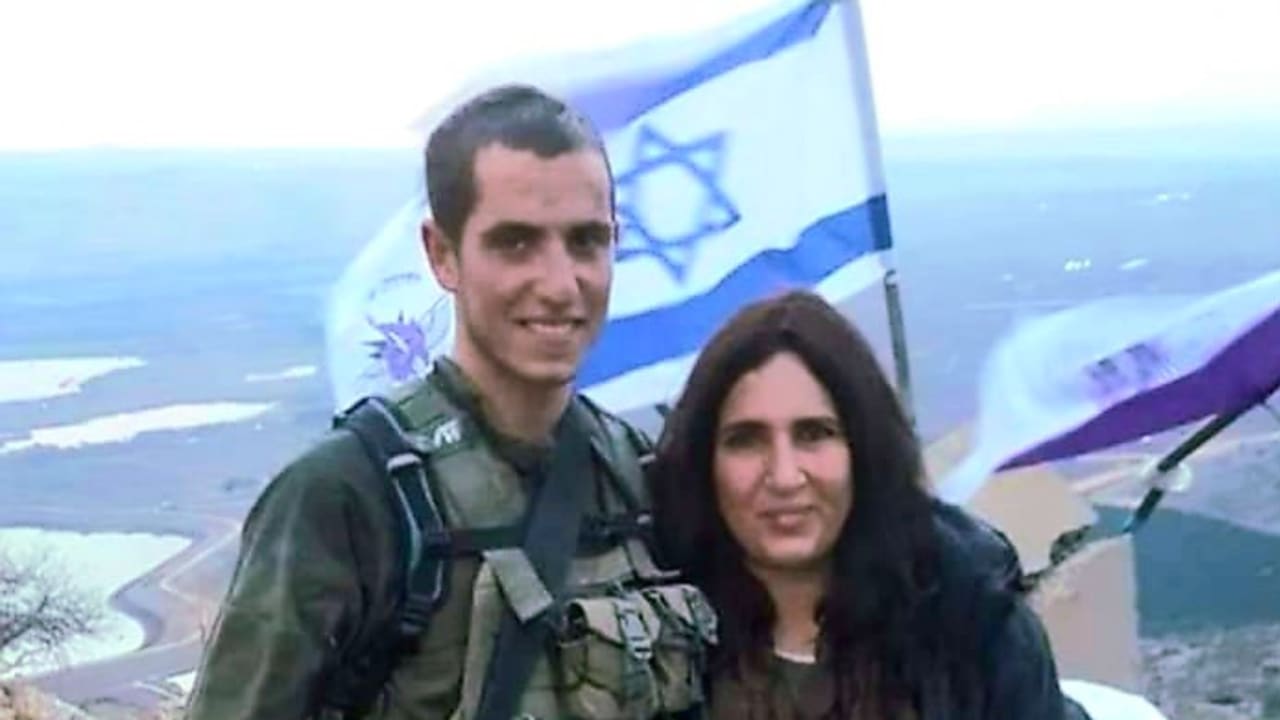
Among all these stories of heroism, I was particularly moved by Vered Simcha Benveniste whose son Arnon Moshe Avraham, a Givati fighter, was killed in the battles in Gaza. Vered also lost her father, who was killed in the Yom Kippur War, and her brother, who was killed in the first Lebanon War, a war in which her cousin also fell. Her son asked her to sign a consent form for combat enlistment. Even though it was not easy for her to sign it, she did it for him. How much strength of mind was needed to sign, and how much strength was needed to carry on?

I know that you are involved in many activities that you have initiated. What is the most significant in your eyes?
For all the women during the war, I'm providing skin treatments as a gift with the most advanced equipment for the mothers and spouses of the soldiers and the evacuees.
We provide treatments for the evacuees in our clinics. In addition, we go to the hotels where evacuees are staying and give them treatments, as well as skin care kits. We went to a hotel in Netanya and the Dead Sea. This week, we will go to Eilat. In each outing, we take several devices to perform treatments, as well as fillers, Botox, and dozens of skin care kits to distribute.
Our goal is to give them half an hour of respite from the tense reality and give them time in which they can clear their heads and recharge their batteries a little.
The reactions we've received are moving, and it encourages us to continue to give.
In addition, due to the hardship of hundreds of evacuees, I established the Washing for Evacuees project, in the framework of which washing machines and dryers were purchased and delivered.
Lehavit Akerman 0542646114
This article was written in cooperation with Lehavit Akerman