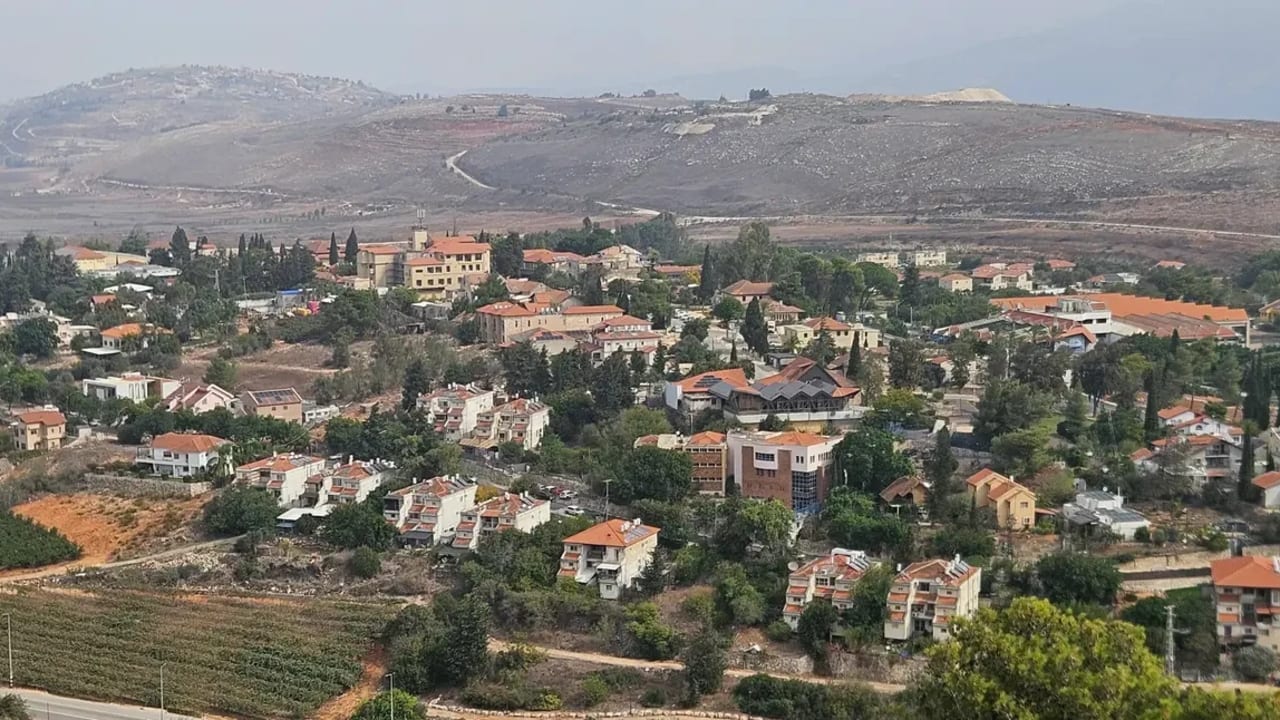
Listen, Metula has recovered.
Remember the images of destroyed streets and rockets hitting homes? Well, forget about that. Metula is back. It seems that three years after the outbreak of the war with Hezbollah, the northern town has given itself a comprehensive TAMA 38 urban renewal project, a makeover, and a face-lift along the way.
It is not as though everything is sweetness and light, and Metula has returned to galloping on the tourism horse. It is still licking its wounds, rehabilitating its businesses, repairing the image of a "dangerous place," and remembering, of course, five soldiers and two civilians who were killed there in the war, along with 24 who were wounded. One of the victims was farmer Omer Weinstein, whose story aroused deep sorrow throughout the country.
At the same time, the rehabilitation of its infrastructure, the expansion of construction there (such as the Har Tzfiya neighborhood, where 76 new homes will be built), and the revival of its businesses instill hope that Israel's northernmost town is ready to welcome Israelis back.
'There is nice movement and oxygen has started flowing'
Take Beit Shalom, for instance, one of the town's oldest institutions. It is a well-known hotel that sustained quite a few hits during the war, including the home of owners Miriam and Chaim Fein, which was the first to be struck by a Hezbollah missile. "After three years of being closed, including the last year and a half when we were evacuated [to Tiberias - Z.R.], we returned and found the garden completely burned, windows ripped out of their frames, and animals – rats, owls, and cats – had gotten inside. I did pest control three times and we cleared out 30 tractor-loads of trash to the dump," Miriam recounts as I sit in the hotel restaurant.
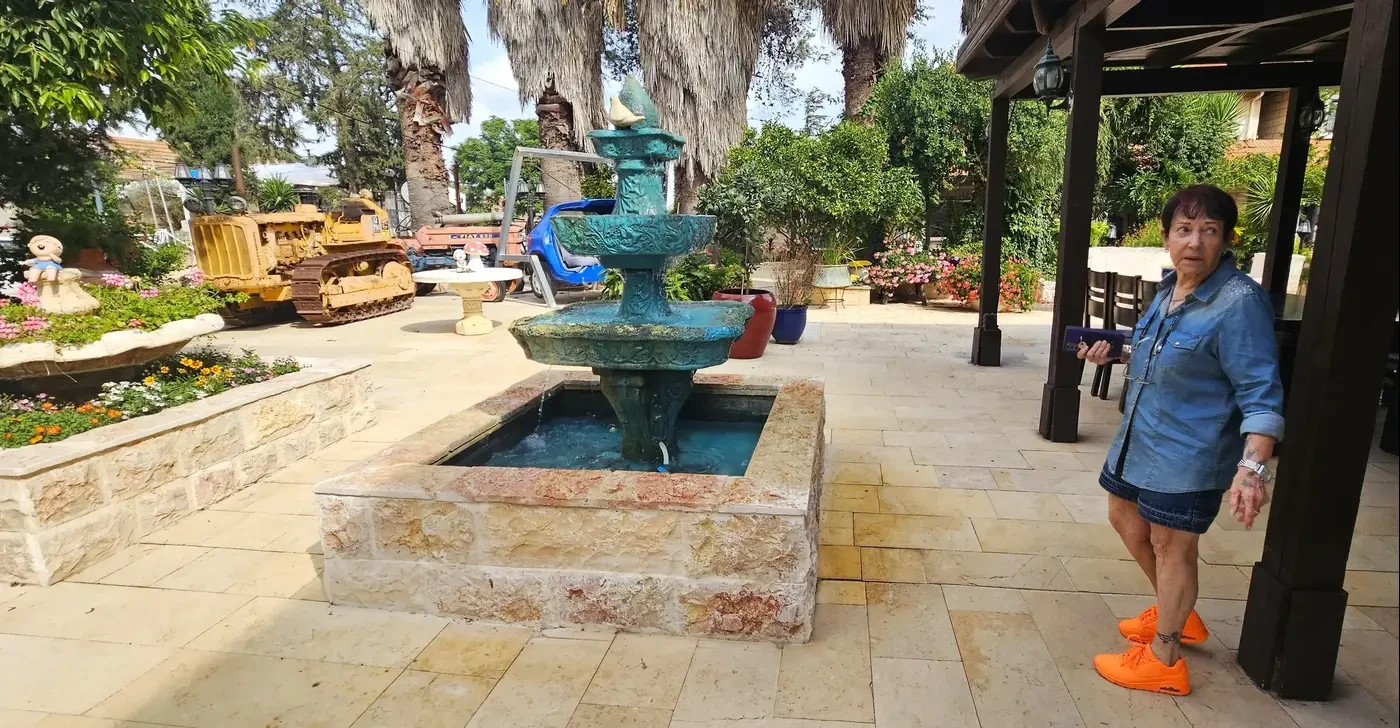
According to her, the rehabilitation involved a great deal of work and heavy expenses. "Almost everything is new, including our home, which suffered heavy damage." In March 2025, residents were informed that they could return to their homes following the evacuation. However, the return was not simple from an economic standpoint. "Property Tax provided only 40 percent coverage for the business and the home, when the damage was very extensive, and afterwards we discovered more damage over time," Miriam adds.
The couple dedicated a year to renovations and reopened the hotel about two months ago. "There is nice movement and oxygen has started flowing," Miriam adds. At the same time, their deciduous orchards dried up and died because they could not tend to them during the war. "We were left with the hotel, and this is our only livelihood."
Chaim and Miriam are over 70. Miriam, 76, is an impressive and energetic woman adorned with tattoos on her neck, legs, and hands. The couple has four children and nine grandchildren, and "the tenth is on the way," she notes proudly. According to her daughter, Irit Hod, the war also changed the demographic makeup of visitors to the north: "Religious Zionism saved the entire summer here in the north. They arrived during Bein Hazmanim and after Tisha B'Av, saving up for a family vacation. Meanwhile, secular people think it is dangerous here, that it is a godforsaken place where shooting happens, and we need them as well."
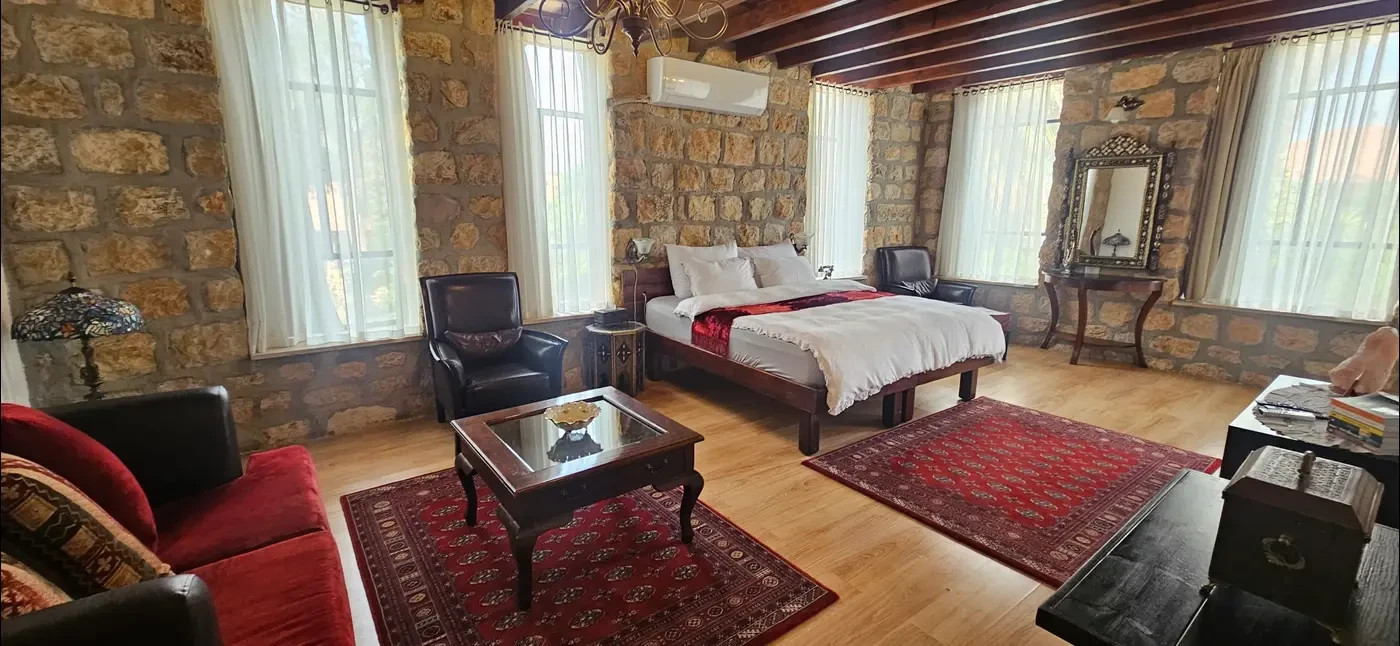
Beit Shalom features eight boutique rooms and five suites. Prices have not changed since before the war: Starting at NIS 1,300 per night, including breakfast, and from NIS 1,100 midweek. The suites start at NIS 1,750 and are fully equipped with boutique design and Miriam's personal touch. Visitors can also come for brunch and breakfast, and a Lebanese chef's menu is served at noon.
130 years since the town's founding
Metula just celebrated 130 years since its founding (May 17, 1896). The lands of the town, established on the ruins of the Druze village Al-Mutalla or Umtalla, meaning "the lookout," were redeemed by Baron de Rothschild, who settled 59 families there – mostly from Zichron Ya'acov and Rishon Lezion, which he founded 14 years earlier.
The 130th birthday was marked with several events, and generally it seems there are events there all the time on weekends, according to the signs at the entrance to the community. David Azoulay, who has served as head of the council since 2015 and is known for his frequent television appearances and his demand to "finish the job" once and for all when referring to Hezbollah, is largely responsible for the cultural and touristic affairs and for returning this town to what it is today.
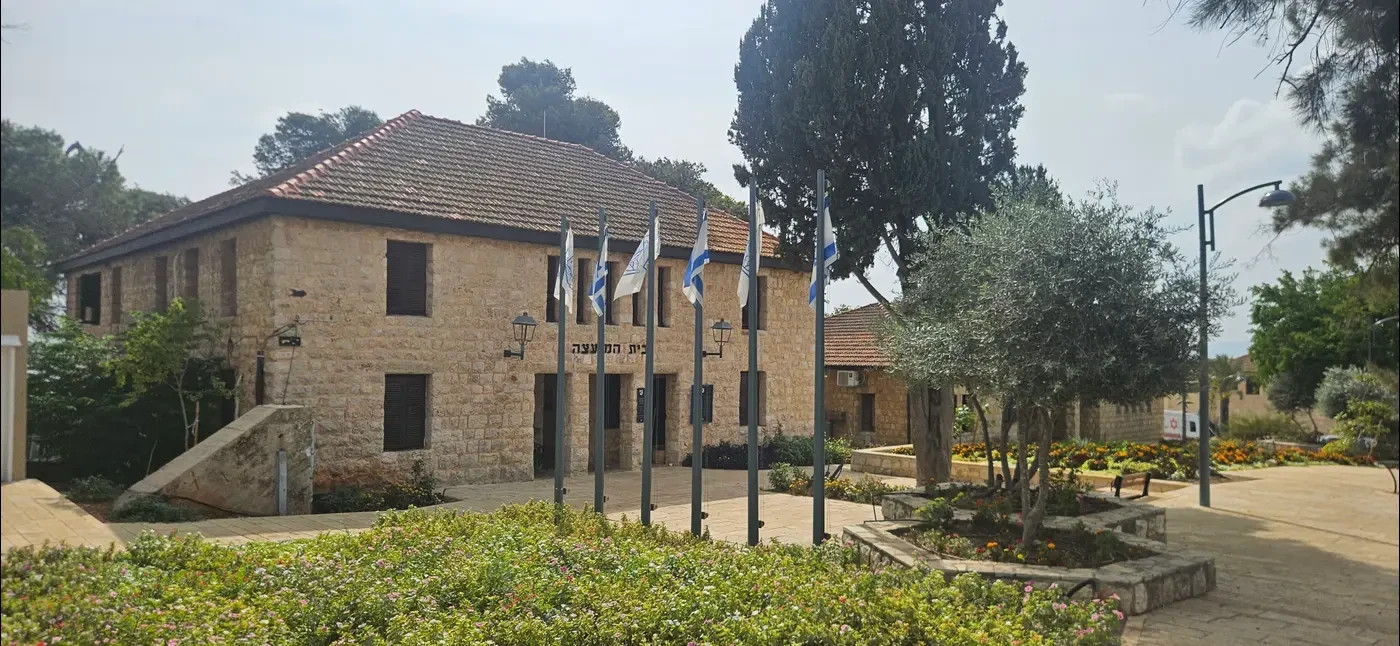
At the council building, a beautiful preservation-status building on Hameyasdim Street, I meet him in his office. "This building is 129 years old and formerly served as a home for the Baron's officials, and it is the oldest council building in Israel," Azoulay says. He shows me several videos of rockets fired from the border that destroyed the town's homes. Afterwards, we head out on a tour in a club car around the town to see its rehabilitation and what else is being worked on.
Alongside physical rehabilitation, the town is also dealing with questions regarding its character and population changes. Out of approximately 2,400 people registered as residents of Metula, only about 60 percent currently live there physically in the wake of the war. Into this vacuum have stepped residents from the religious Zionist movement, who, according to Azoulay, already make up about 20 percent of the residents. Opinions regarding the integration of the kippah-wearers who arrived from Samaria and other places are divided. Residents I spoke with think they are charming people who contribute to the community, are active, and that no religious coercion is felt. Azoulay, for his part, views them as an additional front that could threaten the town's character. "They came with a lot of children and think they are entitled to everything," he explains. "They object to events on Shabbat, some of them go to reserve duty and get paid for nothing. They are trying to take over." According to him, most of the town identifies with the center-left, yet the religious Zionist guys will vote for Smotrich. Indeed, on one of the houses hangs a picture of "our Bezalel" (a house connected to the finance minister's brother).
Between ruins and hope
Azoulay is a controversial figure in the town. Not everyone is with him or believes in his militant path (as a retired lieutenant-colonel in the Engineering Corps), but one thing was undisputed: He is a doer who picked Metula up from its ruins and rehabilitated it anew. Not necessarily with government funds that arrive slowly, but primarily through donations and initiatives he knew how to bring to the town.
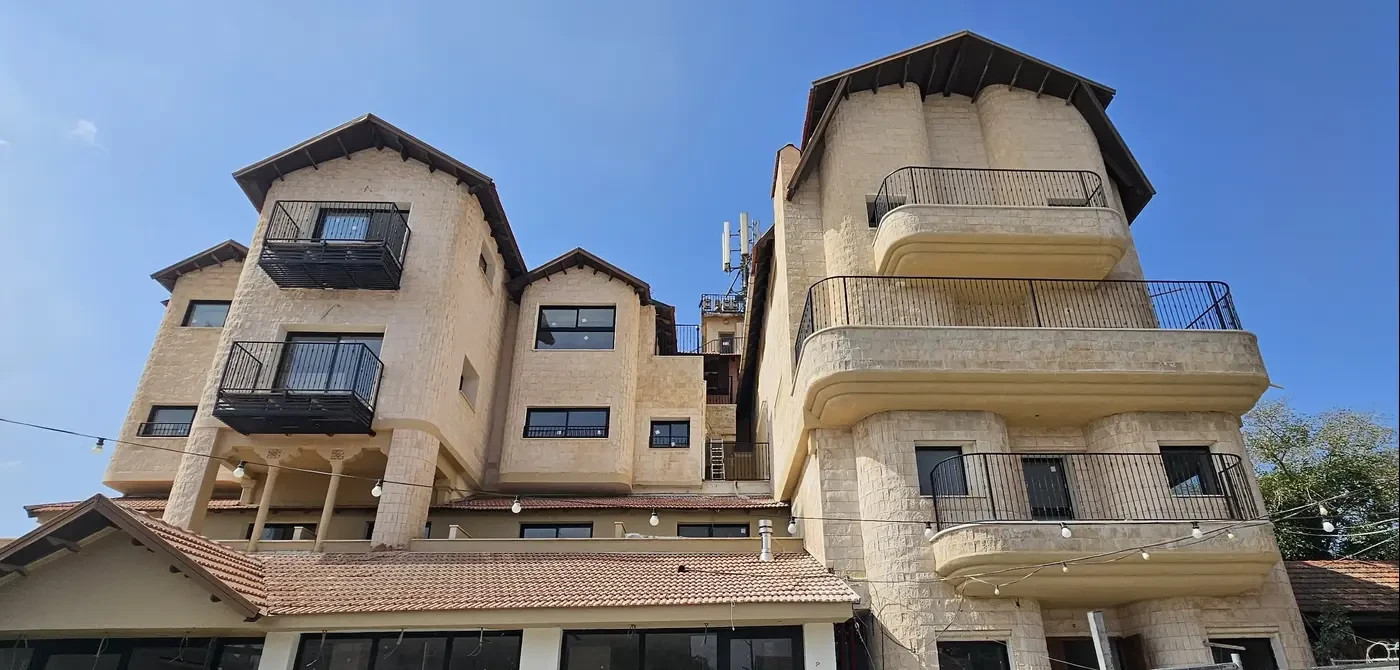
One of the sites that took a hard hit is the Alaska hotel, on whose walls is wonderful graffiti of historical value from various periods – from Golda Meir's visit to the town to rockets fired from Lebanon. The hotel operated from the 1950s under the management of the Weinberg family and was later leased to Yossi Suissa, owner of the Prima hotel chain and spa complexes. The hotel was renovated even before the war and was about to open, and now several tens of millions of shekels are being invested in its renovation.
Opposite is the local synagogue. Azoulay recounts that for a year he fought to remove a wall that blocked the original wall of the synagogue. "Religious residents brought down a rabbinical ruling according to which it is forbidden to destroy the wall, but after shrapnel from interceptions fell on the roof, an opportunity arose to remove it and I returned the building to its original state," he says. In general, preservation is a guiding light for Azoulay, and good thing, because only by luck were the early and beautiful homes of the old town not destroyed.
For years, Azoulay has been running free weekend tours for visitors to Metula. "This is from before COVID. Every Friday and Saturday I take out groups of more than ten people with the goal of encouraging tourism," he explains. "I don't make any money from it." Metula is surrounded by the border on three sides (270 degrees), a situation Azoulay views as an advantage as well. "There is almost no crime or protection rackets here, and the town is networked with monitored cameras. By the end of the process, 160 cameras are expected to operate here," he says.
'Why isn't there a coffee cart in Metula?'
One of the rehabilitation ventures is investment in open spaces. According to Azoulay, the council received NIS 12 million from the Fund for Open Spaces for the development of green areas, gardens, and fruit trees for self-picking. "It will be open to everyone and people will be able to pick," Azoulay explains. Hama'ayan Park, where the town's old spring flows, is one of those green corners slated for an upgrade. "An amphitheater for performances is planned at the site, which have taken place at the site in the past, with a stage that will connect to the ancient mulberry tree in the place," he says.
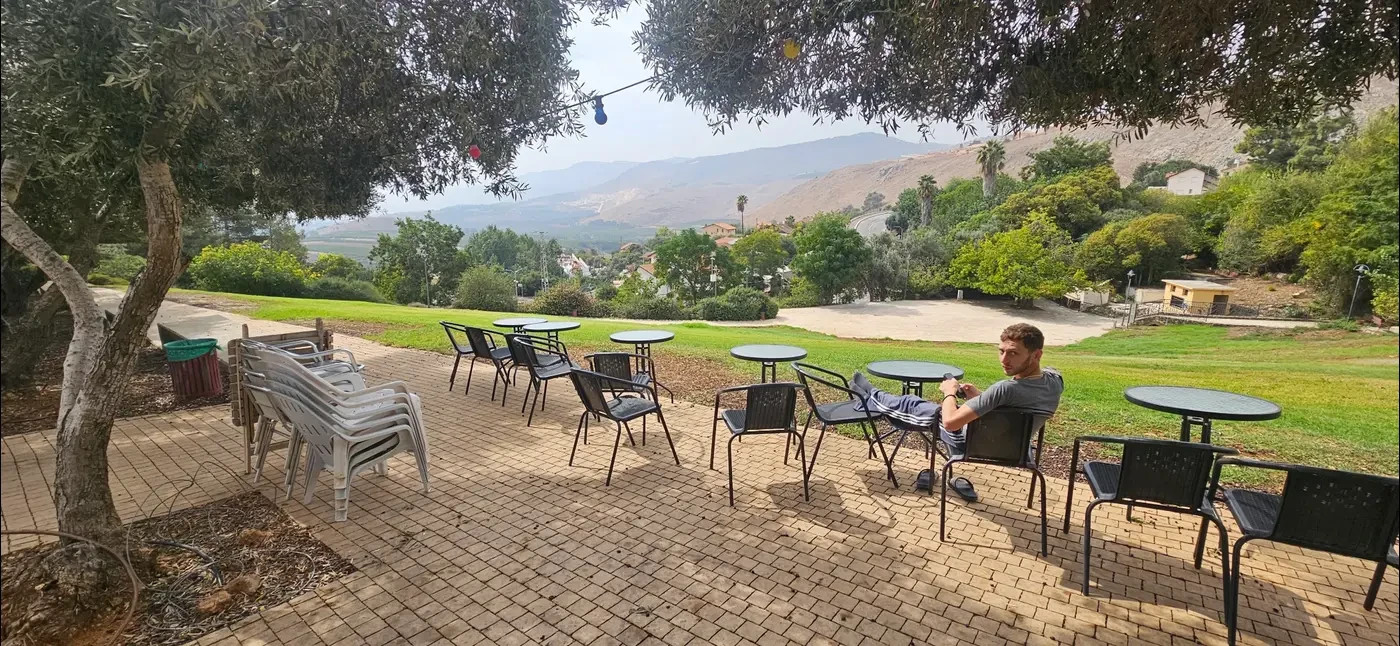
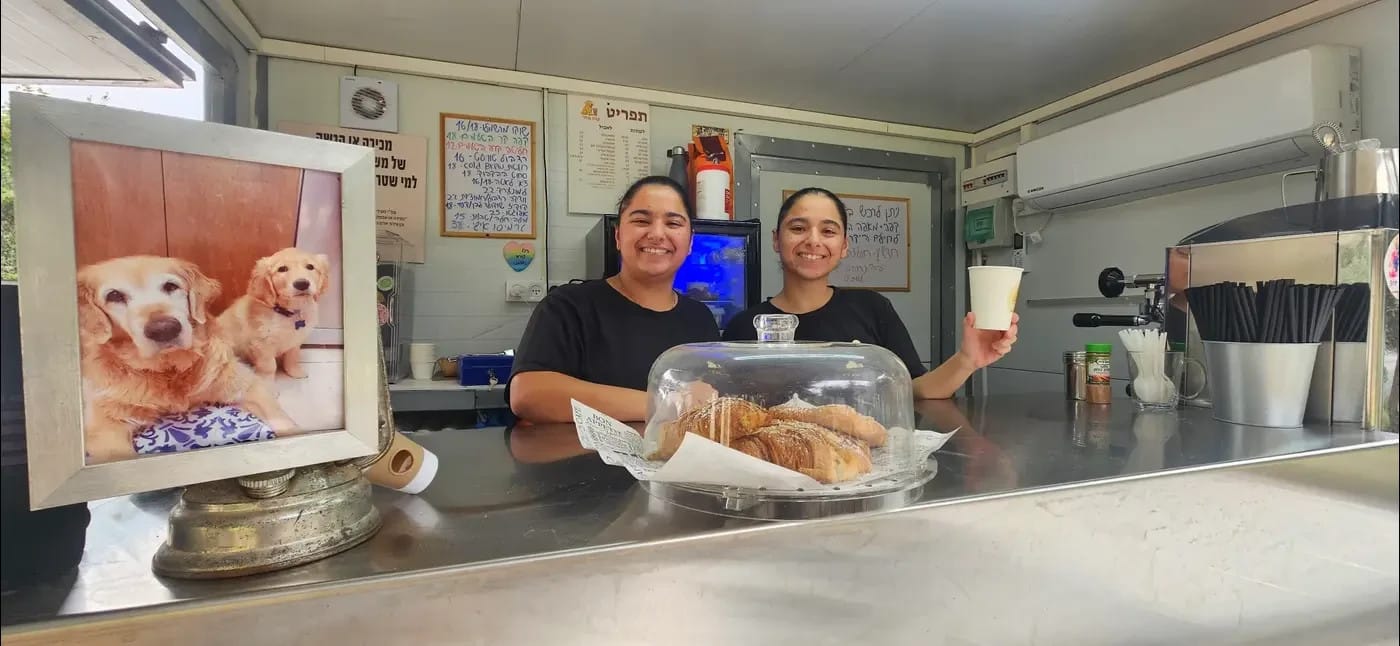
Up above, along the edge of the large lawn at the border of the Hatzaim neighborhood, stands the charming coffee cart of twin sisters Ofer and Leon Fein, "fifth generation in Metula," they say proudly. In January 2025, the two returned from the town's evacuation to Tiberias and opened Goldy, named after their beloved dog who died after 15 years. "We felt a lack of quality coffee there and lived on gas station coffee," they recount. "And we said, 'Why isn't there a coffee cart in Metula?' and we decided that the first moment we returned, we would upgrade the coffee culture in the town."
They asked their parents to invest in the cart, and for over a year the only coffee cart in Metula has been operating, which, according to the sisters, enjoys great support from the council and the residents. "Our coffee is a Mauro blend that includes 70 percent Arabica and 30 percent Robusta," they say.
Over time and with demand, the menu was expanded. "Recently we added tea, three sandwiches – smoked salmon, an Italian sandwich with mozzarella, and a Greek sandwich with brined cheese and Kalamata olives – and also flavored coffees like hazelnut and caramel." The price of black coffee is NIS 10, and flavored coffee costs up to NIS 18. There is also a charming and moving initiative: Purchasing a voucher for a soldier that includes coffee and a pastry for NIS 30, which soldiers receive for free when entering or returning from Lebanon.
Goldy is open every day of the week except Sunday.
The war also 'did good'
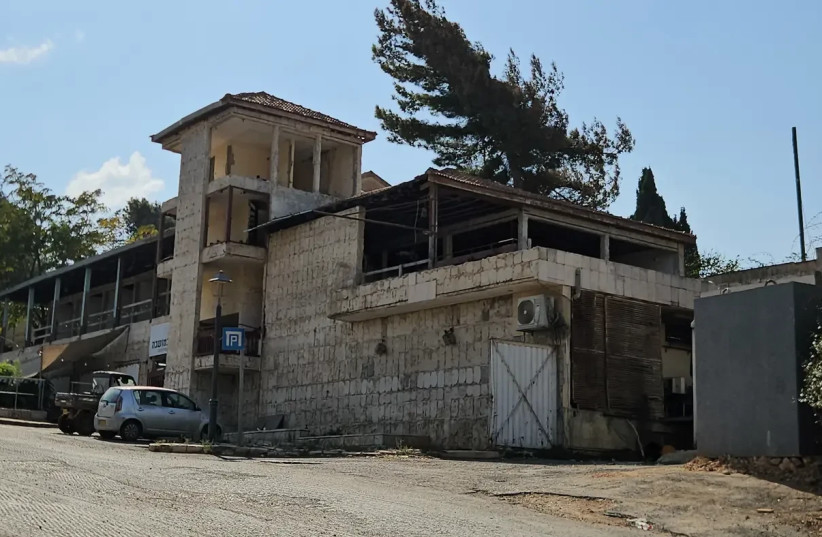
Beyond private initiatives, though it may be hard to say, the war also "did good" for Metula. Azoulay believes the war had consequences that enabled development, with plans including the purchase of Super Hamoshava and turning it into a business and coffee cart complex, burying electrical poles underground in streets, and perhaps the biggest project on the horizon: Turning the Tegart fortress, abandoned since 2000, into the Lebanon Campaign Museum. "A viewpoint and a rooftop cafe are also planned at the fortress, which are supposed to open in August 2028," he says.
Azoulay explains that 70 percent of the money for the town comes from donations by Jews and non-Jews alike. However, he criticizes the pace of government fund transfers. "Even though a government decision was made to rehabilitate the north over the next five years, residents need rehabilitation right now, and the delays cause sluggishness in transferring the money," he explains.
Restoring the hotel of yesteryear
Among the businesses trying to put Metula back on the tourism map is the Lishansky Hotel Since 1936, a historic hotel renovated and reopened by Yisrael Lishansky, a fourth-generation family member. He opened the place in August 2025, and it operated until February, when Operation Roaring Lion arrived. "Back then, tourists from all over the world used to come to the place to mark family events related to 1936, for example a grandfather's birth year, sort of an 'important yahrzeit for the family,'" Yisrael says as we sit in the hotel lobby, sipping liqueur from small, stylish shot glasses of which only 12 remain from those days.
The hotel, built in the International Style, was originally designed as a hotel with a residential wing for the family, and in each room the original cabinets of Yisrael's grandfather were preserved. "The items in the lobby and the rooms belong to the period of grandfather Israel and Joseph, his adoptive brother," Yisrael says, referring of course to the late Joseph Lishansky, a member of the Nili underground who was captured and hanged in Damascus in 1917. Today the hotel has four double rooms and two more family rooms, one of which is a suite. Guests can also sleep in Joseph Lishansky's own room with his wardrobe, which still exists, alongside the modernity of a wonderful shower stall, cable television, and everything needed for a good stay, but with old-time style. There are even round Bauhaus balconies in some of the rooms.
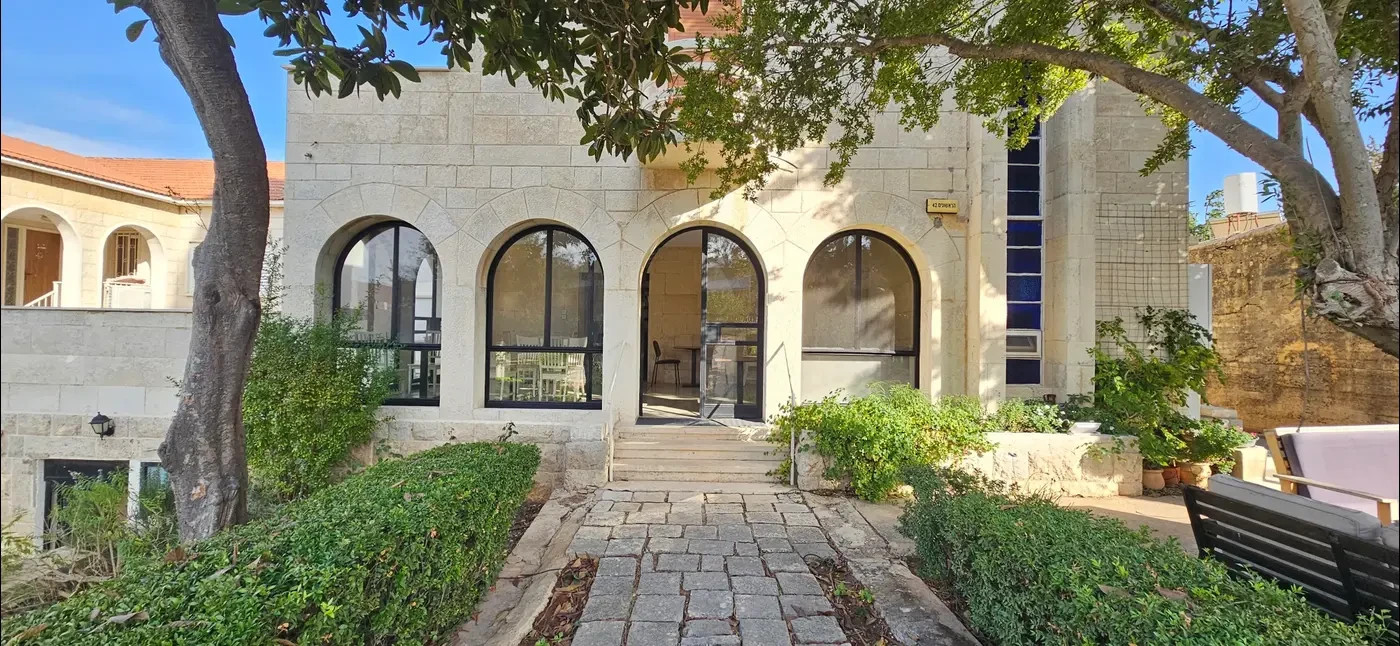
Four additional rooms are currently being renovated, bringing the total number of rooms in the hotel to ten. Alongside vintage items, the renovation included the restoration of twelve 90-year-old blue windows. "Just to find them I scoured the whole country and only in Hebron did I find something similar," Yisrael says. He replaced plumbing and flooring, handled sanitation and pest control, and rehabilitated the front garden. After struggling to find workers, he opened the hotel again in July 2026.
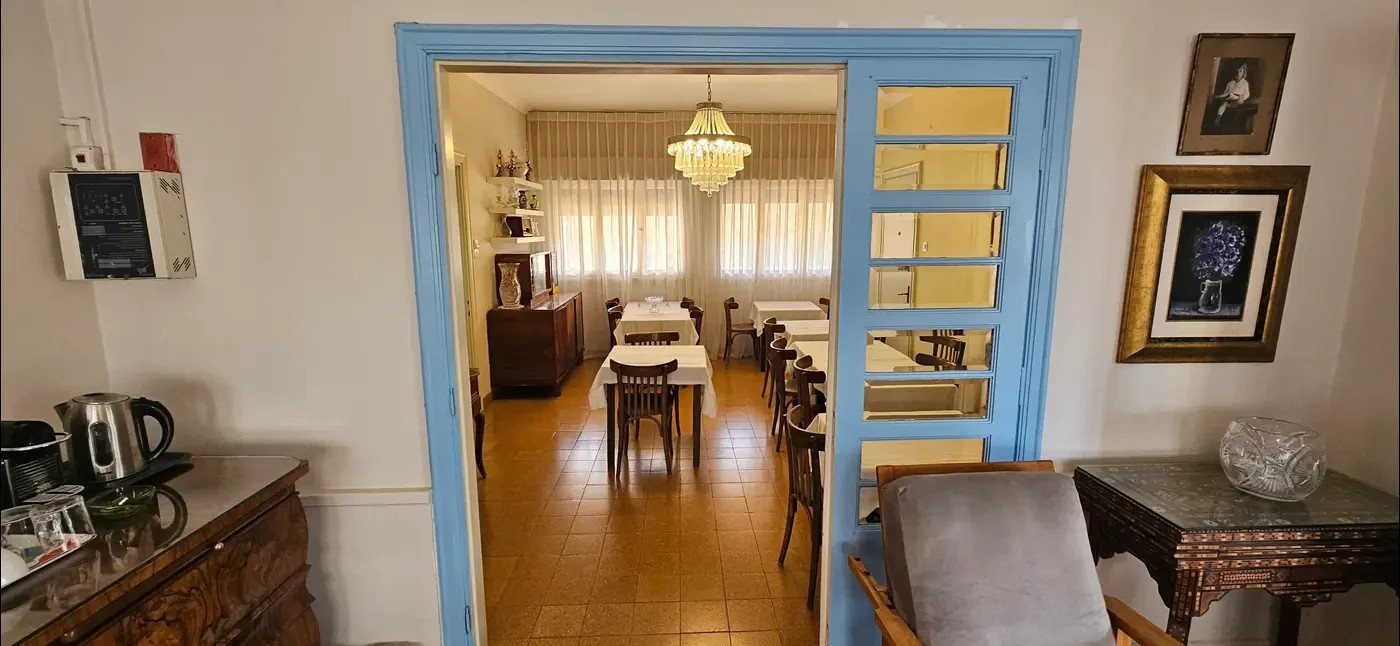
Prices range from NIS 850 to NIS 1,000 for a couple midweek and from NIS 1,000 to NIS 1,200 on weekends, and include the wonderful breakfast prepared by Yisrael's mother, Clary, an 87-year-old youngster with a lively spirit and cheerful soul. Food is a central part of the experience. Clary prepares spreads, jams, fish like herring and matjas, olives, labaneh, cakes, and salads on-site. "On Shabbat we also serve a Ukrainian potato salad with dill and onion," Yisrael emphasizes to summarize the delicacy foods at the place, where the lodging experience is truly like coming to sleep at grandma's house somewhere in the 1970s. "Sleeping here is being in a historic hotel. There aren't many hotels left as they were from the Mandate era, maybe the King David in Jerusalem," Yisrael says.
From a military headquarters back to a cafe
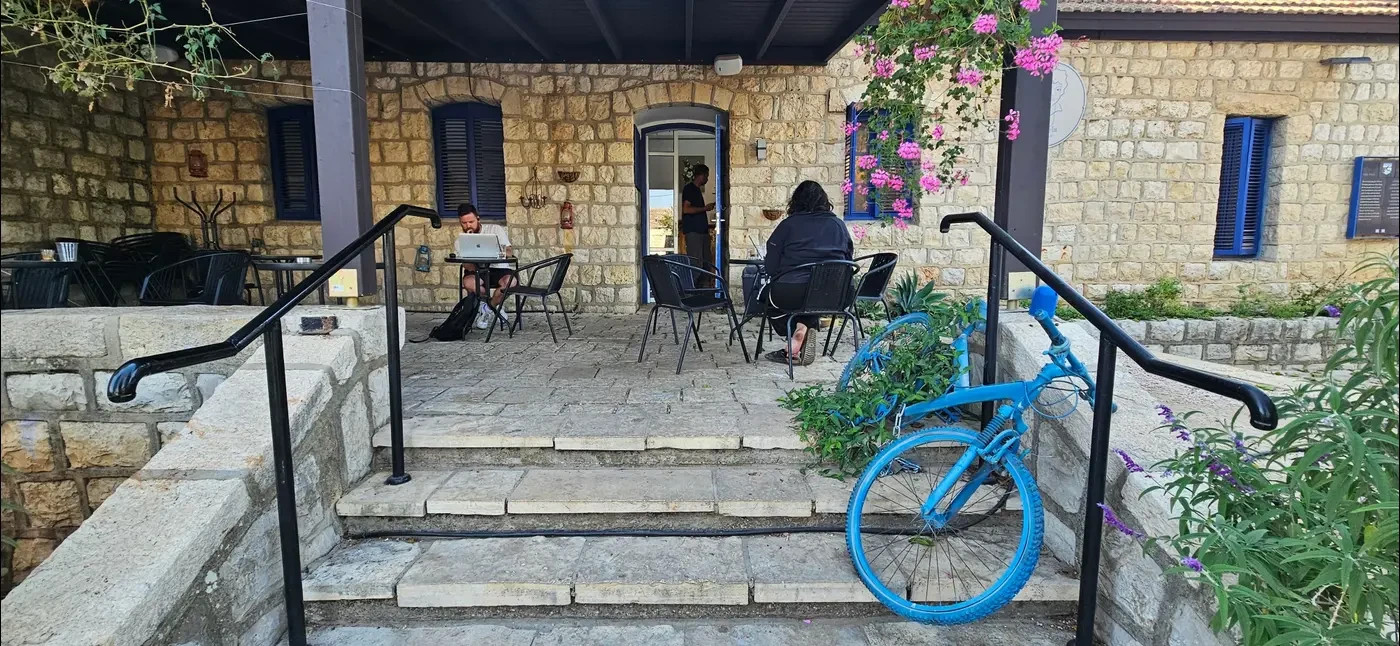
The town's cafes are also trying to bring back traffic. Cafe Bella (named after the grandmother of Jonathan Davis, one of the two partners) opened in Metula's Beit Ha'am, in a location where a cafe operated in the past and which served as a military headquarters during the recent war until the IDF evacuated the place in February 2025.
Miri Menashe, Jonathan's partner, grew up in Nahariya and has lived in Metula for four years. "Jonathan opened the place in March 2023, and then the war started in October," she recounts about the establishment of the cafe. "We planned to reopen, but my husband and I were in reserve duty, and the opening was delayed to October 2025." Even during Operation Roaring Lion, the place operated continuously and served soldiers and locals. "With the dying down of the winds of war, local tourism also started arriving, and in recent months guests from surrounding guest houses have been added," Miri adds.
The menu that was in place before the war evolved over time, and the staff tries to diversify and change dishes. "Jonathan tells me what he feels like eating and I invent something tasty," Miri explains about the dishes on the menu. One of the new dishes is a market salad. "We wanted a variety of salads but one that has protein and isn't available in many places. That is how the lentil salad with cheese, dressing, and lettuce was created." On Fridays, they serve schnitzel in a freshly baked challah on-site, alongside matboucha whose "reputation has already spread far and wide," Miri says. It is open Sunday through Thursday, from 10:00 a.m. to 6:00 p.m.
The artists' alley of the 'Metulatim'
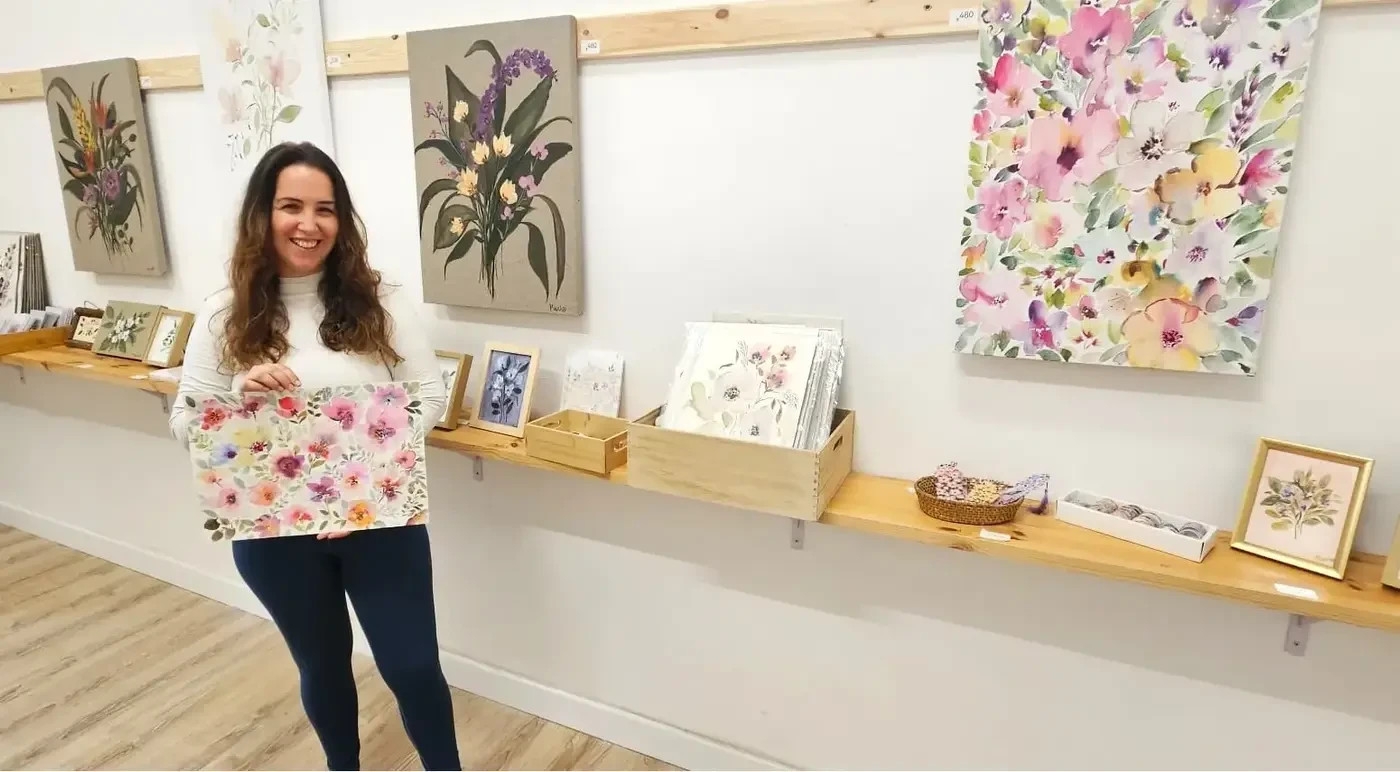
Right behind the cafe is the artists' alley of the "Metulatim" (yes, this is how locals should be called, rather than "Metulaim," which sounds like worms). At the Meri Art art studio of Merav (Meri) Nakash Amsalem, she conducts workshops and works with watercolors and acrylics on canvas. Merav studied law, and when she sat down to study for the bar exams, she started painting to concentrate. "Suddenly I started painting more than studying and I failed the exams, but I excelled in art," she recalls.
Merav recounts that she did not like art classes in school and actually learned to paint on her own. "In May 2026 I rented a studio in the artists' alley because I needed a gallery to work in and display my paintings for sale," she says.
Today she mainly conducts painting workshops for adults, both series of several sessions and one-off workshops lasting about two hours (NIS 250-300 per workshop, up to 12 participants), including a workshop focusing on watercolor painting on watercolor paper.
Pizza for eeeeeveryone
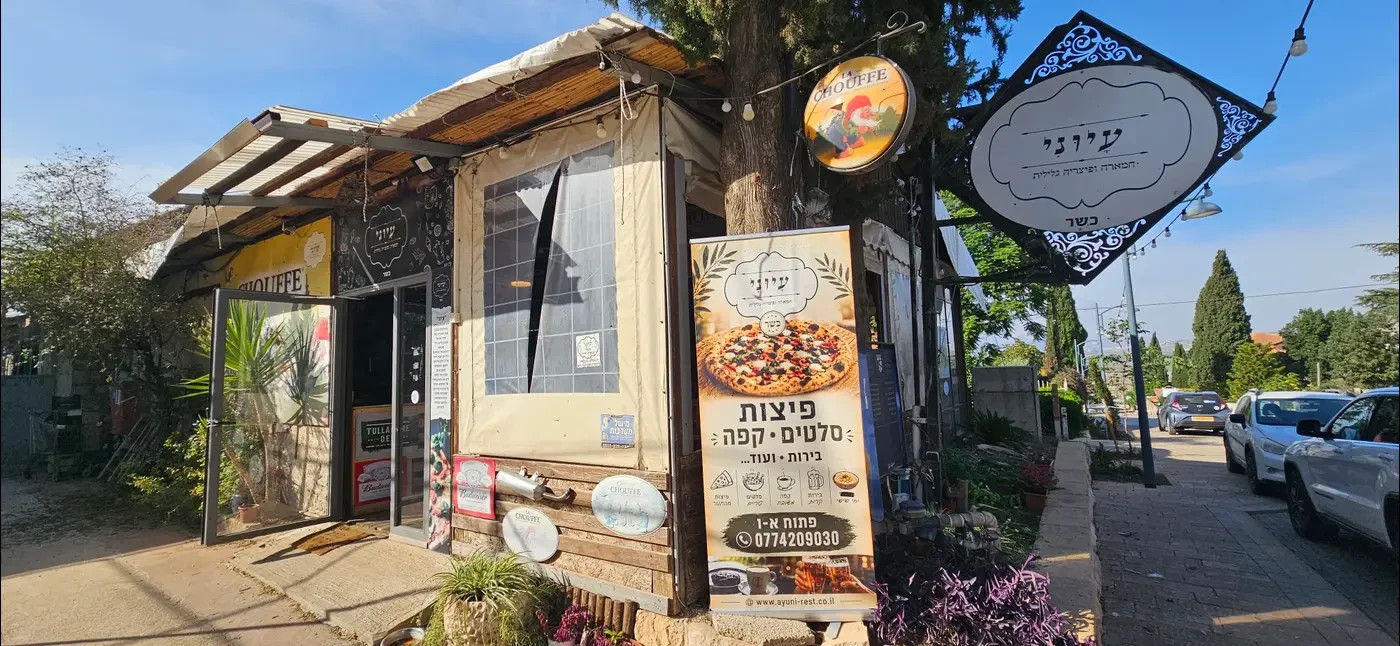
Pizza Ayuni is the only kosher place in the town. The name Ayuni comes from the Iyon Stream and also reflects the free atmosphere at the place. " Is it a diner, a pizza place, or a bar? It's unclear and there's a feeling that everything is happening here. It's a meeting place for Metula residents and others as well, and everyone starts talking," says owner Daniel Dorfman.
The business opened on the ruins of two restaurants, including the famous Bat Ha'ikar restaurant. The property owner rents it to Daniel, a Metula resident since 2014, who feeds Metula's religious and less religious residents. "I helped set up the place in 2015 and after October 7 I became the owner," he recounts. At the start, the place operated as a cold-cut and cheese deli, while also serving hookahs. In 2022 the business became kosher, out of a desire to rest on Shabbat and also to serve all visitors, including many groups keeping kosher.
The menu includes five or six pizzas, five salads, and focaccia, alongside cabbage, a burrata pastry, and baked trout fillet. "Everything is prepared on-site, we don't buy sauces, everything is prepared right here on-site," he says. In the past the menu was larger, but today it is streamlined to allow Dorfman to handle the work even when he works alone, without help. In addition, there are bi-weekly specials, for example purple pizza, gnocchi with trout, freshly prepared frena bread, and soup as well. Margherita pizza costs NIS 60, and it is simply delicious.
The orchards left across the border
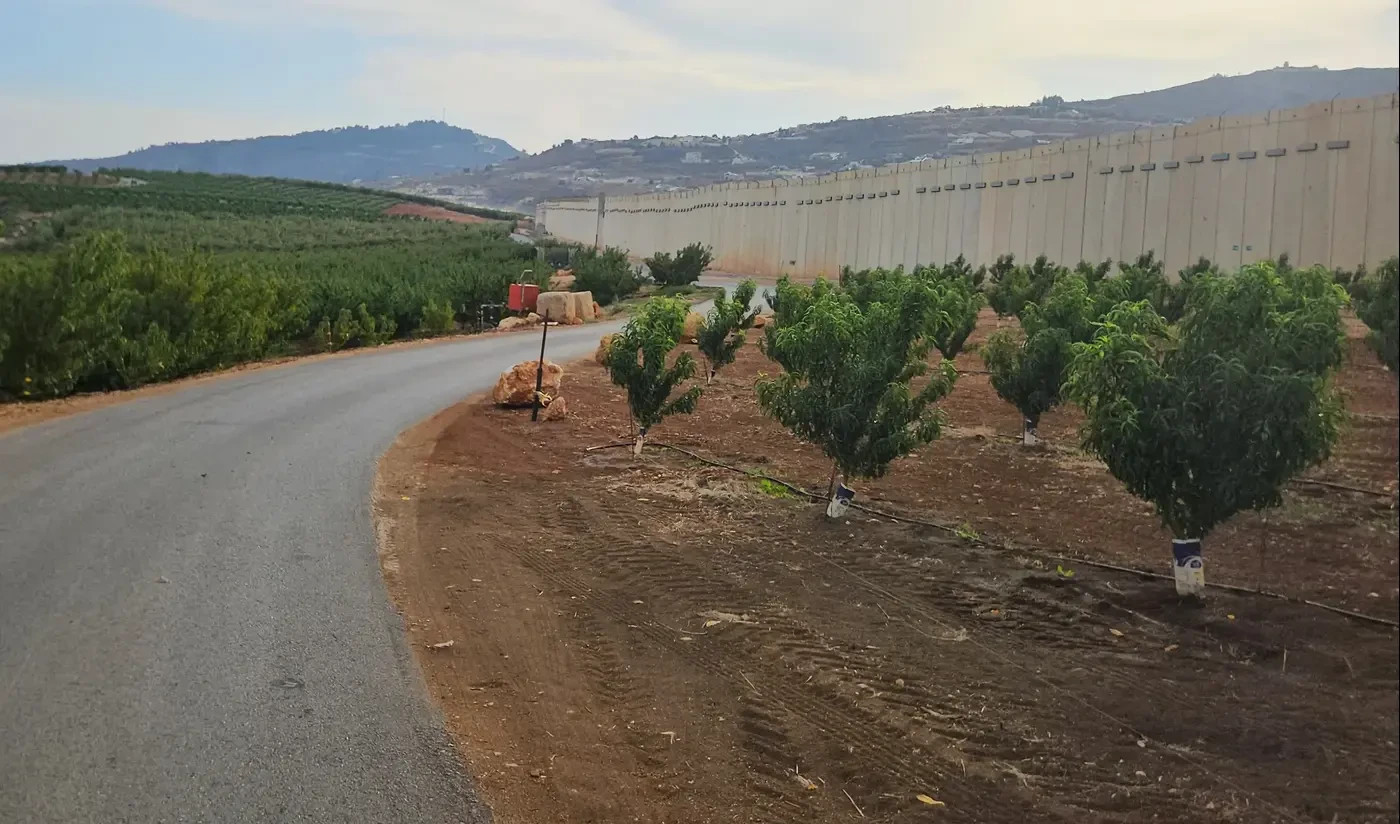
Evening descends on the town, and in almost the last light of day, before I make my way to rest at the Lishansky Hotel, Lior Bez – a member of one of Metula's first and most rooted families – picks me up for a geopolitical and agricultural tour of the town and its surroundings.
Bez, a former Shin Bet operative in his home sector, knows every patch and branch of the trees in the orchards that these days are beginning the orange foliage that paints deciduous trees in November-December. Bez's family, like others, still owns plots registered in the Land Registry in the Iyon Valley, which is currently in Lebanon, but all that remains for him is to overlook them from one of the vantage points to which he takes travelers. "Once there was also a British airfield there, right in the middle of the valley," he points and shows, reminiscing about the area that belonged to his grandfather and today remains mostly on the map.
"Metula was always a security matter and perceived as far away, so I said let's take that and turn it into an advantage," he explains regarding the nature of the tours he conducts for groups, where he talks about the border situation, Hezbollah, and the tunnels found right in the heart of the orchards. "What happened in the past is happening today too," he recounts. "In the past, before the state's establishment, Metula residents were evacuated to the Shi'ite village of Adaisseh when there was a fear of Arab riots in al-Hula [an Arab village in the Hula Valley, where Kiryat Shmona is today - Z.R.], and my grandfather stayed to protect the farmers back then, just like me and Metula's standby squad in the war." But beyond the political situation, Lior will take you to see something in late autumn that will warm your heart – the trees covering themselves in yellow-orange. "The foliage here is an amazing sight," he says. To coordinate a tour: 052-2465410.
Who will be tomorrow's Metula?
Metula has returned to itself, but it has returned to being the exact same town it was before the war. There is something different about it now: More scars, more kippahs, quite a few initiatives, and also a struggle over the question of who tomorrow's Metula will be. But when fruit trees begin to be colored in orange, cafes fill up, and lights turn on again in the windows of guest houses, it is easy to understand why some people insist on staying here, and why we too should return. Not just to see what was rebuilt, but to give this place a reason to keep being built.