With the number of cases of celiac disease rising around the world, gluten-free foods are quickly becoming a trend - what's all the fuss about?
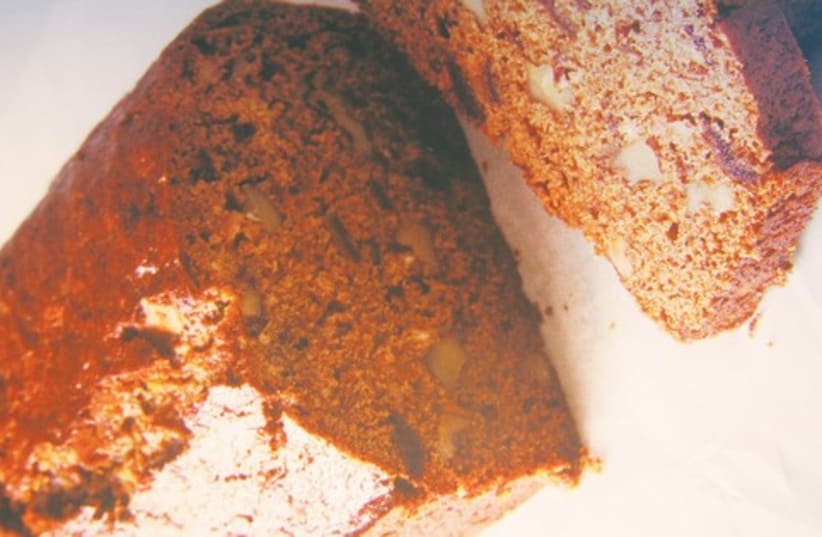
By FAYE, YAKIR LEVYCoffee cake 521(photo credit: Marcus Nilsson)
When we first became familiar with gluten, the protein in wheat, we considered it the best part of the grain, and it has become a staple in our kitchen. Wheat gluten, sometimes referred to as seitan, a Japanese-derived term that originated in macrobiotic cooking, is widely used by vegetarians as a protein source. In Chinese vegetarian cooking, wheat gluten is used as a substitute for meat, and a grand variety of faux-meats like veggie chicken, veggie beef and veggie duck often have gluten as their major component.Gluten is what makes wheat flour so useful for making breads, cakes and pastries. In baking classes, we learned that gluten helps to give breads and cakes good structure so they don’t become too crumbly or fall apart when sliced. The gluten content of flour is especially important for yeast-leavened baked goods, for which the dough has to stretch as it rises; bread flour is known as high-protein or high-gluten flour. Lack of gluten is why cakes made with potato starch often have a dry, crumbly texture.We became aware of gluten’s downside when a friend of ours asked for advice on what to prepare for her mother, who needed to avoid gluten. At the time, about 12 years ago, there was little information, and few good products were readily available.How things have changed. When we attended the Natural Products Expo West in Anaheim, California, in March, gluten-free foods were very prominent. We sampled gluten-free stuffed pasta shells with ricotta cheese and marinara sauce from Caesar’s Pasta, blueberry waffles from Van’s Natural Foods made with brown rice flour, French Meadow Bakery’s cinnamon raisin bread made with corn starch and tapioca starch, and ginger cookies and chocolate chip cookies from Pamela’s Products. Amy’s Kitchen rice pizza was so popular that it was hard to get into the booth. There were gluten-free cake mixes and baking ingredients like Kinnikinnick Foods graham-style cracker crumbs for making pie crusts, made with pea starch, potato starch and rice flour, sweetened with brown sugar, molasses and honey.We were struck by the centrality of gluten-free dishes in Levana Kirschenbaum’s book The Whole Foods Kosher Kitchen, in which recipes have two kinds of labels: whether they are kosher for Passover, and whether they are gluten-free.Why is there so much fuss about gluten? In recent years, more and more people have been diagnosed with celiac disease, a serious autoimmune condition that makes it necessary to avoid wheat and other grains containing gluten. According to Carol Fenster, author of 125 Gluten-Free Vegetarian Recipes, “this condition affects one percent, or about 3 million Americans.”Some find that the hype surrounding gluten-free foods is overblown, given the relatively small percentage of people affected by celiac disease.Yet there is an additional category of glutenintolerant or gluten-sensitive people who have not been diagnosed with the disease but simply feel much better when they avoid gluten. Fenster is one of them and notes that experts believe this condition “may be six or seven times more prevalent than celiac disease.”According to renowned nutrition expert Dr. Andrew Weil, “it is possible that a range of gluten sensitivity exists, with classic celiac disease at one extreme. There are good tests for gluten sensitivity... if you have it... a glutenfree diet may improve your health; otherwise, there is no reason to avoid gluten.”Keeping to a no-gluten diet is not so simple. It’s not just wheat flour that needs to be avoided.“People suffering from celiac disease can’t have gluten in any amount, even minute,” wrote Kirschenbaum. “In addition to wheat flour, this also includes bulgur, farina, spelt and others; oats must be labeled gluten-free to make sure they weren’t processed in a machine used for wheat.”Preparing gluten-free meals is like following the custom of non-gebroks (no moistened matza or matza meal) observed by some during Passover, leaving only potato starch for baking and cooking. This may be okay for a week, but it’s not easy for a lifetime.Cooks who have experimented with glutenfree baking have discovered that a combination of flours gives baked goods finer flavor and texture.“Gluten-free baking usually requires a blend of flours,” wrote Fenster. She makes a sorghum flour blend and keeps it on hand to use as her all-purpose flour: 11⁄2 cups sorghum flour mixed with 11⁄2 cups potato starch or cornstarch and 1 cup tapioca flour. Instead of blending your own, you can buy gluten-free flour at the supermarket. Fenster notes that a special ingredient, xanthan gum, is “critical for baking; it performs the function of gluten by keeping baked goods from crumbling. Don’t forget it or you’ll be sorry.” Guar gum is another ingredient used the same way.Some blame the rise in the number of gluten-sensitive people on the hybridized wheat grown in America, which is much different from original forms of wheat. Spelt, an ancient species of wheat, can be tolerated by some people who are sensitive to wheat.Others theorize that the problem lies in the excessive amount of gluten in the Western diet due to the large number of processed foods that people eat today, many of which contain gluten. According to Kirschenbaum, gluten is hidden in some condiments and prepared sauces, as well as some drinks (beer, bourbon, cider, vodka), and might be found in barbecue sauce, ketchup, mustard, prepared dressings, soy sauce and other prepared foods.In some parts of the world, gluten is not a problem. It occurred to us that the world’s cuisines can be divided into those that use wheat, rye and barley, which contain gluten, and those that are gluten-free. The traditional rice-based cuisines of much of Southeast Asia, parts of China and parts of India are largely gluten-free. In East Asia, there are noodles made from rice, mung beans, yam starch and buckwheat. Buckwheat, which is gluten-free, was long a staple in Russia and other parts of northern Europe. In Mexico and other parts of Latin America, much of the food is corn-based and therefore gluten-free. Wheat is the major grain of the Mediterranean and the Middle East, as well as Western Europe and North America.Some recommend that people eat less gluten because too much of anything in the diet is not good. Kirschenbaum’s flour of choice in all her baked goods is spelt: “I find that the idea of lowering gluten in our diet makes us not only explore the whole gamut of good grains but optimizes our nutrition: My tagline is ‘Enjoy spelt – less gluten, more protein, more fiber, delicious flavor.’”
A good thing about the gluten-free trend is the increased availability of different kinds of flour and products made with them. In fact, wrote Shauna James Ahern and Daniel Ahern in Gluten-free Girl and the Chef, “There are more gluten-free flours in the world than there are flours with gluten.”For gluten-free baking the Aherns usually mix three kinds of flour. “One of the three should be a whole-grain, a solid base: sorghum flour, brown rice flour, garfava flour [garbanzo, or chickpea, flour mixed with fava bean flour].The next should be a starch, to lighten up the mixture, since gluten-free baked goods tend to be dense: potato starch, tapioca starch (also known as tapioca flour), cornstarch or arrowroot powder. The third flour should have a particular personality you want to add to your baked goods. Amaranth flour has a soft texture and slight malt flavor. We like it in cookies and cinnamon rolls. Almond flour adds protein and a bit of fat for flavor... Quinoa flour is savory and great in quiches. Teff flour is the finest-textured flour in the world, so during baking it almost melts, which helps to bind together muffins and quick breads.”The Aherns caution that gluten-free baking is not as easy as traditional baking and sometimes requires changing expectations regarding taste and texture. Still, “some of those treats might taste better to you than those with gluten flours, like banana bread with teff.” They find that pie dough is actually easier to make without gluten, because you can’t overwork the crust. For their fruit tarts, they make a buttery, slightly sweetened cinnamon-flavored pastry made with equal amounts sorghum flour, tapioca flour, potato starch and sweet rice flour.Most agree that bread is the hardest food to make gluten-free. Fenster makes several kinds of bread, including French baguettes, using her flour blend with additional potato starch and cornstarch. For making gluten-free bread or pizza dough, Kirschenbaum advocates combining tapioca flour, “which adds a very pleasing chewiness and lightness to baked goods,” with any gluten-free flour you like, such as teff, rice, millet or buckwheat.For breakfast, Fenster recommends a variety of whole grains, including brown rice, buckwheat, millet, quinoa, sorghum, teff and wild rice, as well as traditional oatmeal. “Whole grains play a critical role in the gluten-free diet, since they are required to supply important nutrients we no longer get when we avoid wheat.”The breakfast porridge Fenster makes from amaranth, “a primary food for the ancient Aztecs” that is “known as one of the most nutritious grains on earth,” is flavored with maple syrup, cinnamon and nutmeg and enhanced with a little butter, coconut flakes and chopped walnuts. You can make porridge with these flavors from any whole grain you like. It’s definitely a delicious way to start the day.Faye Levy is the author of 1,000 Jewish Recipes and Classic Cooking Techniques.AMARANTH PORRIDGEThis recipe is from 125 Gluten-Free Vegetarian Recipes by Carol Fenster.Amaranth and other whole grains can be found at natural foods stores. Instead of using amaranth, you can make this porridge with brown rice; use a total of 3 cups water and cook the rice for 30 to 45 minutes.3 cups water 1 cup whole amaranth grain 1 tsp. butter or buttery spread 1⁄4 tsp. sea salt, or to taste 3 Tbsp. pure maple syrup 1 tsp. ground cinnamon 1⁄4 tsp. freshly grated nutmeg 1⁄2 cup unsweetened coconut flakes (optional) 1⁄4 cup chopped walnuts or pecansBring the water to a boil in a medium saucepan. Add the amaranth, butter and salt, and bring to a boil again. Reduce the heat to low and simmer, covered, 20 to 25 minutes. Remove from the heat.Stir in the maple syrup, cinnamon and nutmeg until smooth. Serve in 4 cereal bowls, each garnished with 2 Tbsp. coconut flakes (if using) and 1 Tbsp. walnuts.Makes 4 servings (3 cups)CHOCOLATE ALMOND CAKE This delicious cake has long been a favorite of ours. It happens to be gluten-free.You can keep the cake, covered, up to four days in the refrigerator; or you can freeze it.110 gr. (4 oz.) semisweet chocolate, in cubes 2 Tbsp. water 1⁄2 tsp. instant coffee powder 1⁄4 cup (55 gr. or 2 oz.) unsalted butter 1⁄2 cup blanched almonds2⁄3 cup sugar 3 Tbsp. cornstarch 3 eggs, separatedButter a 23-cm. (9-in.) round cake pan, about 4 cm. (11⁄2 in.) deep. Preheat the oven to 175ºC (350ºF).Melt the chocolate with the water, coffee and butter in a large heatproof bowl set in a pan of hot water over low heat. Stir until smooth. Remove the bowl from the pan of water. Let the mixture cool but do not let it harden.In a food processor, grind the almonds with 3 Tbsp. sugar to a fine powder. Transfer to a medium bowl. Add the cornstarch and 4 Tbsp. sugar and mix well. Stir the almond mixture into the melted chocolate.Add the egg yolks and beat the mixture vigorously with a wooden spoon until smooth.Whip the egg whites until stiff. Gradually add the remaining sugar and continue beating at high speed until the whites are very stiff and shiny but not dry, about 1⁄2 minute. Fold about 1⁄4 of the whites into the chocolate mixture. Spoon this mixture over remaining whites and fold all together lightly but quickly, just until there are no white streaks in batter.Transfer immediately to the prepared pan. Bake about 25 minutes or until a cake tester or pick inserted in the center comes out dry.Slide a thin knife carefully around the sides of the cake. Turn the cake out onto a rack and let cool.Makes 8 servings
if(catID != 151){
var cont = `Take Israel home with the new Jerusalem Post Store