The Jerusalem Post
Jpost search icon google-icon iphone
  Set as Homepage
Wed, May 22, 2013   13 Sivan, 5773
newspapers magazines
 
    • Breaking News
    • Diplomacy & Politics
    • Defense
    • National
    • Mideast
    • Syria
    • Iran
    • World
    • Business
    • Sports
    • Health & Science
    • Environment
  • Video
  • Opinion
    • Columnists
    • Editorials
    • Op-Eds
    • Letters
  • Jewish World
  • Lifestyle
    • Arts & Culture
    • Food & Wine
    • Travel
  • Features
    • Insights & Features
    • Week in review
    • On the Web
    • Shalva Superheroes
    • Obama in Israel
  • Blogs
    • In the news
    • Judaism
    • From the Middle East
    • Lifestyle
    • Aliya
    • Science and Technology
  • JPost Apps
    • iPhone app
    • iPad app
    • Android app
    • Twitter
    • Facebook
    • RSS feeds
    • JPost Toolbar
    • JPost Newsletter
    • JPost Alert
  • Premium Zone
    • The Jerusalem Report
    • The Experts
    • 20 Questions
    • e-paper
    • Ivrit
    • Christian Edition
    • Dash
    • Magazine
    • Metro
    • In Jerusalem
  • French
    • Politique & Social
    • Affaires Palestiniennes
    • Diplomatie & Monde
    • Art & Culture
    • Israel
  • Green Israel
JPost Learn Hebrew  
Advertise with us  
Nefesh Guided Aliyah  
Eldan  
AFMDA  
Africa Israel Group  
Isram Group  
Kupat Ha  
JPost Twitter  
JPost Facebook  
Classifieds  


Breaking News
 
 
  • JPost.com
  • Middle East
 

Revolution time again for Egypt?

By ZVI MAZEL
12/12/2012 23:33
Tweet

Mohamed Morsi faces a massive popular uprising very similar to the one that began against Hosni Mubarak two years ago.

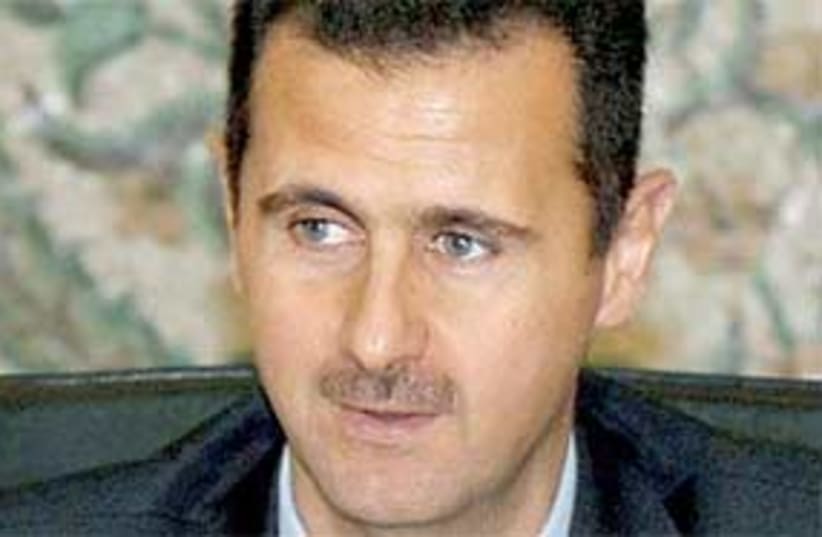
Egyptian President Mohamed Morsi
Egyptian President Mohamed Morsi Photo: REUTERS
Far from abating, mass demonstrations against Egyptian President Mohamed Morsi and the regime of the Muslim Brotherhood are intensifying to the extent that there is now real potential for a new revolution.

Though the president was elected through free elections, every day he loses a bit more of his legitimacy.

He is confronted today by a large coalition of non-Islamist parties belonging to all opposition forces. The Left, the Nasserists and the Liberals are now coordinating their action through a common National Salvation Front headed by former UN nuclear watchdog head Mohamed ElBaradei, assisted by a number of important leaders such as former MP Hamdeen Sabahi and former Arab League head Amr Moussa.

This week, in a new and major blow for the regime, nongovernmental media joined the fray: Independent newspapers, papers belonging to political parties and a number of television channels are now openly opposing the president.

Several presidential assistants resigned.

This is no longer a transient phenomenon that Morsi – who is well aware of the fact that he received barely 25 percent of the vote in the first round of the presidential election – can afford to ignore. He is facing a massive popular uprising very similar to what happened in the first days of the revolution that toppled Hosni Mubarak two years ago.

In fact, this week, by having his government issue a decree calling on the army to help police and security forces ensure the protection of the referendum on the constitution, Morsi essentially admitted that he had lost his legitimacy and had to rely on the army to keep his seat and implement his program. To that end, the army was tasked with protecting civil institutions and granted extraordinary powers, such as the right to arrest civilians and bring them to justice.

In theory, those powers are limited in time and will expire with the conclusion of the referendum and the publication of the results. Nevertheless, this is a return to the infamous emergency laws of the previous regime that were canceled by the Supreme Council of the Armed Forces. By letting the army intervene in internal affairs, the regime is acknowledging that it is no longer in control and cannot rely on the civilian institutions in charge of keeping law and order – such as the police, security forces and judiciary.

A few days previously the army had called on all parties to put an end to violence and peacefully solve the dispute on the presidential declaration and referendum, warning that it would not “let the country plunge into a catastrophe.”

This was perceived as a sign that the army was reluctant to get involved, though the Brotherhood immediately hailed the army declaration while the opposition remained mute.

In fact, The army has nothing to gain by intervening, unless there is a real risk of the conflict degenerating into civil war. The generals have not forgotten their failure in running the country during the interim period between the fall of Mubarak and the presidential election. Indeed, they did not demonstrate any political astuteness, first killing protesters and then making it possible for the Brotherhood to achieve power. They would prefer to remain neutral, especially since the proposed constitution that will be voted upon in the referendum Saturday answers all their demands.

There is a special chapter in that constitution stipulating that the National Defense Council, which is to be set up with the military holding the majority, will be in sole charge of the army budget – and of its economic empire, though this is not said in so many words.

The defense minister will be chosen from the ranks of senior army officers, while army courts will remain independent and have the right to judge civilians “having attacked the army.”

Furthermore, the president will not be able to declare war without prior consultation with the Supreme Council of the Armed Forces and parliamentary agreement.

In other words, the army will keep its special status and preeminence – as it has always done in Egypt.

What remains to be seen is whether there will be a compromise between Morsi and the Brotherhood on the one hand, and the opposition on the other. Should one or both remain adamant, this might led to an explosion of violence forcing the army, however unwillingly, to intervene.

As things stand today, the opposition gives no indication of being willing to stop demonstrations as long as the president maintains the referendum.

It argues, rightly, that the constitution was drafted hastily a scant few days after the publication on November 22 of the presidential declaration.

This declaration gave Morsi not only all judiciary powers but also granted total immunity to his decisions, making them impossible to overturn. Not only was the constituent assembly massively dominated by Islamists, most of its non-Islamist members – including all Coptic Christian delegates – had resigned or were boycotting its sessions.

In other words, the proposed constitution is illegitimate since it was not drafted on the basis of a wide consensus of all political forces. The opposition therefore demands not only that the referendum be canceled, but also that a new constituent assembly be formed to formulate a new constitution – which will do away with the many disputed issues disseminated among its 236 articles in order to veil its overall Islamic nature.

No less than 43 appeals are pending in front of the High Constitutional Court, asking for the constituent assembly to be dissolved. In his presidential declaration, Morsi had deprived the court of the right to dissolve the assembly; having canceled his own declaration, the court was due to renew its debates.

However, the Brotherhood dispatched thousands of protesters to block access to the building, preventing several judges from taking their seats and disturbing the audiences.

The court had no choice but to suspend is deliberations sine die.

Morsi had believed that by cancelling his presidential declaration he would pacify the opposition and perhaps divide it. Yet he did not cancel the referendum, which is the main focus of the opposition.

The Brotherhood will do everything it can to remain in power and will fight the opposition to the end. One must not forget that they are fueled by a powerful religious ideology that is no less intense than that of the ayatollahs of Iran – both Sunni and Shi’ite, both believing in the supremacy of Islam and in their sacred duty to impose Allah’s regime on earth.

It is to be expected that clashes between the Brotherhood and the opposition will get worse. Most Egyptians do not want an Islamic regime intent on imposing Shari’a; they want to see the new, democratic Egypt that was the dream of the young people who took to the streets two years ago and started the revolution. They are no longer afraid of defying the regime and fighting for their freedom.

This is a highly volatile situation with both sides equally determined not to give in.

One could say that a new revolution has started. Should Morsi even be able to hold the referendum, the people will not keep quiet, and will keep on fighting attempts to impose Shari’a.

The situation is fraught with danger. It will be interesting to see what the European Union and the United States will do.

So far they have been unwilling to acknowledge the reality and are still rooting for the Brotherhood – a position which has led to a growing anger among the people.

The writer, a Fellow of The Jerusalem Center for Public Affairs, is a former ambassador to Romania, Egypt and Sweden.
  • Send
  • Large
  • Small
  • Print
  • Share
Most Viewed in
1
Erekat throws his weight behind Kerry's peace bid
2
'Chaos caused by Libyan war delays action in Syria'
3
PA official pours cold water on Kerry's visit
4
Activists: Hezbollah suffers big losses in Syria
JPost Community
Tweet
Egypt Mohamed Morsi Muslim Brotherhood Supreme Council of the Armed Forces Constitution Islam
Share this article
Tweet
Share
Send
Your comment must be approved by a moderator before being published on JPost.com. Disqus users can post comments automatically.

Comments must adhere to our Talkback policy. If you believe that a comment has breached the Talkback policy, please press the flag icon to bring it to the attention of our moderation team.
JPost Services
conferenceConference
newsletterNewsletter
iphoneMobile Apps
kotelcamKotel Cam
kolboJPost Alert
premiumPremium
JPost TV News  
Mobile Apps  
Bank Hapoalim  
Meir Panim  
Yad Ezra  
Rambam Hospital  
TourLuxe  
Zev Goldstein PLLC  
Penrose Gallery  
JPost Premium Zone  
JPost kotel Camera  
         
 
Israel Focus
JPost TV News
Coming soon to a screen near you!  
Nefesh B'Nefesh Guided Aliyah
Already living in Israel? Enjoy the Benefits of Aliyah!  
Give "Freedom" this Passover
to needy Israeli families. Donate now  
War Threatens
Protect the People of Northern Israel  
Intelligence Squared
The international debate forum, announces it is coming to Israel  
Bank Hapoalim
Israeli's number one bank  
Jerusalem Post Lite
Lite Edition of the Jerusalem Post for English improvement  
Learn Hebrew with us
Get 10 minutes free personal coaching in Hebrew through phone or Skype  
JPost newspapers
Sign up for the JPost newspapers and receive one month free subscription  
Kosher English Magazine
English language weekly magazine - especially for religious people  
JReport Kindle Edition
Now you can get the Jerusalem Report directly to your Kindle  
JPost Premium Edition
The very best articles are available only in our Premium edition  
Lifestyle Magazine
 
 
Real Estate
Don't Look For a House!
In Israel, our website will do it for you!  
 
Travel
Eldan Rent a Car
20% off all Car Rental Reservations in Israel  
Hertz Car Rental
Special Online Discounts!  
The King David Jerusalem Hotel
One of the world's truly iconic hotels, and a Jerusalem landmark  


Sites Of Interest:

Jerusalem Hotels
KKL-JNF
Poalim Online
BreitBart.com
Our Friends
Jerusalem Attractions
Jerusalem Tours
itraveljerusalem.com

JPost sites:

Learn Hebrew
The Jerusalem Report
Our Magazines
JPost Edition Francaise
Green Israel
Christian World
Jerusalem Post Lite

Services:

JPost Mobile Apps
JPost Premium
JPost Newsletter
JPost Toolbar
JPost News Ticker
JPost RSS feeds
JPost Archives
JPost Alert
JPost Kotel Cam

JPost Conferences:

NYC Conference
Diplomatic Conference

Information:

About Us
Feedback
Staff E-mails
Copyright
Sitemap
News Partners
Advertise with Us
Price List
Statistics
Ad Specs
Terms Of Service
Jpost.com, the online edition of the Jerusalem Post Newspaper - the most read and best-selling English-language newspaper in Israel. For analysis and opinion from Israel, the Jewish World and the Middle East. Jpost.com offers expert and in-depth reporting from Israel, the Jewish World and the Middle East, including diplomacy and defense, the Palestinian-Israeli conflict, the Arab Spring, the Mideast peace process, politics in Israel, life in Jerusalem, Israel's international affairs, Iran and its nuclear program, Syria and the Syrian civil war, Lebanon, the Palestinian Authority, the West Bank and Gaza Strip, Israel's world of business and finance, and Jewish life in Israel and the Diaspora.
 
About Us | Advertise with Us | Subscribe | Premium | Newsletter | RSS | Contact Us
 
All rights reserved © The Jerusalem Post 1995 - 2012