My Word: The art of resilience - opinion
This is the seventh Jerusalem Biennale since it was founded in 2013, and like its predecessors, it's dedicated to a theme, but individual artists have been literally creative in their interpretations

This is the seventh Jerusalem Biennale since it was founded in 2013, and like its predecessors, it's dedicated to a theme, but individual artists have been literally creative in their interpretations


As editor of the Post, I would welcome another substantial international news agency. I would like a wider range of independently gathered accounts for our editors to consider.

Serbia seeks nothing other than equal treatment and for what happened during the conflict in Kosovo and Metohija (KiM) to be called by its proper name.

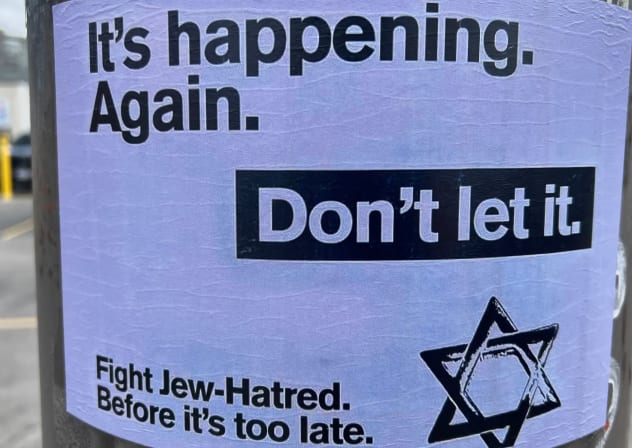
Rising antisemitism and growing insecurity have changed Jewish life in Canada. Community leaders should strengthen local institutions while also considering Aliyah.
When an Israel-bound airliner fell into danger over the desert, Riyadh answered with deeds, not statements. Israel should now answer in kind.

The Clavicular affair is not just an influencer scandal. It is a stress test for the system Jewish institutions helped create.

At the start of Sukkot, Ben-Gvir released a video in which he threatened imprisoned Hamas terrorist Hassan Salameh, telling him, “I want to kill you. I want to put you to death.”

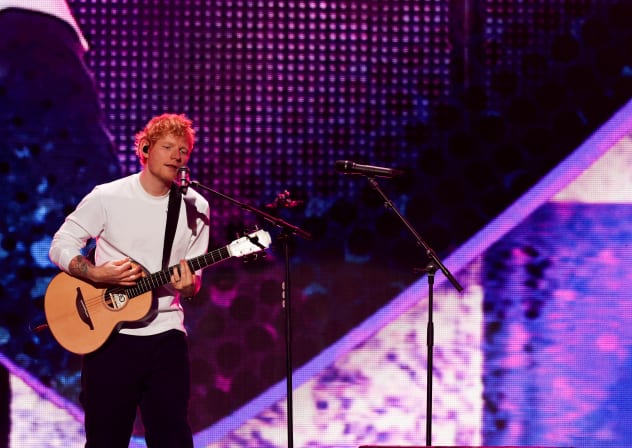
Celebrity activism over Gaza raises questions about free speech, humanitarian aid, UNRWA and whether ideological conformity has replaced meaningful relief.
The focus on Netanyahu reflects a deeper debate over Israel’s security, territorial strategy and willingness to withstand international pressure.

The moment a diaspora Jew becomes an Israeli citizen, they cease to be a passive bystander affected by Israel's policies - they become an active participant in shaping them.

A terrorist tried to hijack an aircraft carrying 166 Israelis. He failed. They are alive and safe. For now, that is more than enough.
