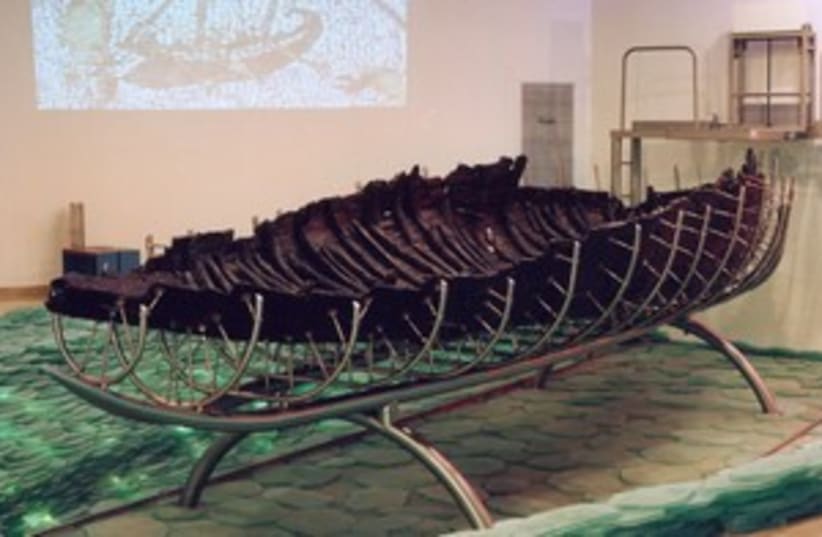
An abandoned first-century boat found at Nof Ginosar remains one of the finest archaeological discoveries in Israel.
By WAYNE STILESAbandoned ship resurfaces at Nof Ginosar 311(photo credit: The Jesus Boat Foundation)Wayne Stiles has never recovered from his travels in the Holy Land. Follow him on Twitter (@WayneStiles) or on his blog at www.waynestiles.com.
Abandoned ship resurfaces at Nof Ginosar 465 GALLERY 3 (photo credit: The Jesus Boat Foundation)Abandoned ship resurfaces at Nof Ginosar 465 GALLERY 1 (photo credit: The Jesus Boat Foundation)Abandoned ship resurfaces at Nof Ginosar 465 GALLERY 2 (photo credit: The Jesus Boat Foundation)Abandoned ship resurfaces at Nof Ginosar 465 GALLERY 4 (photo credit: The Jesus Boat Foundation)Abandoned ship resurfaces at Nof Ginosar 465 GALLERY 5 (photo credit: The Jesus Boat Foundation)Abandoned ship resurfaces at Nof Ginosar 465 GALLERY 6 (photo credit: The Jesus Boat Foundation)Abandoned ship resurfaces at Nof Ginosar 465 GALLERY 7 (photo credit: The Jesus Boat Foundation)
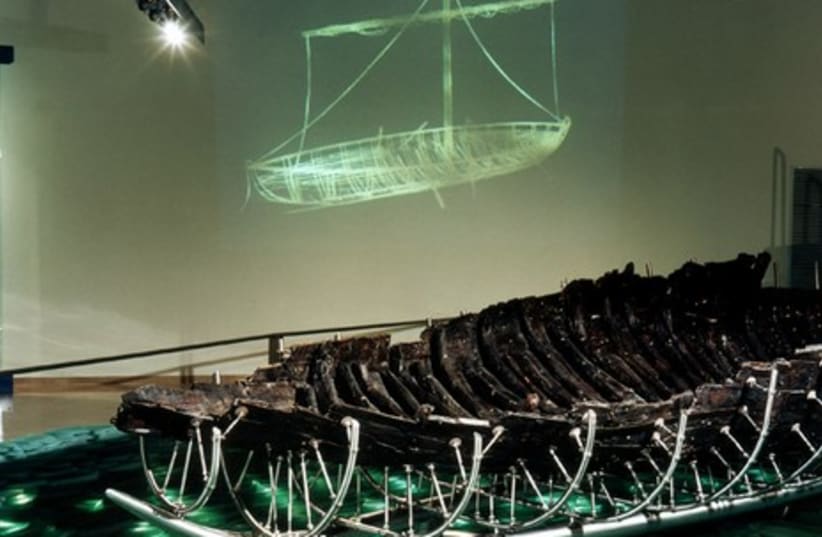
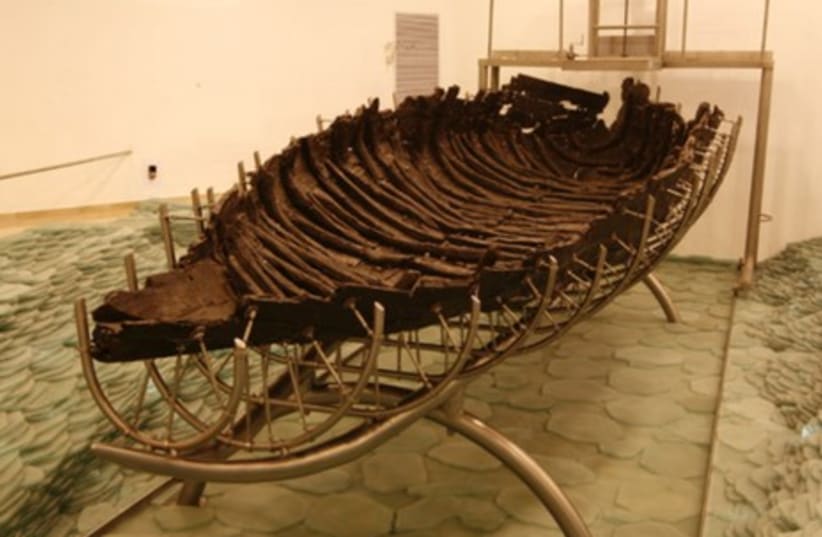
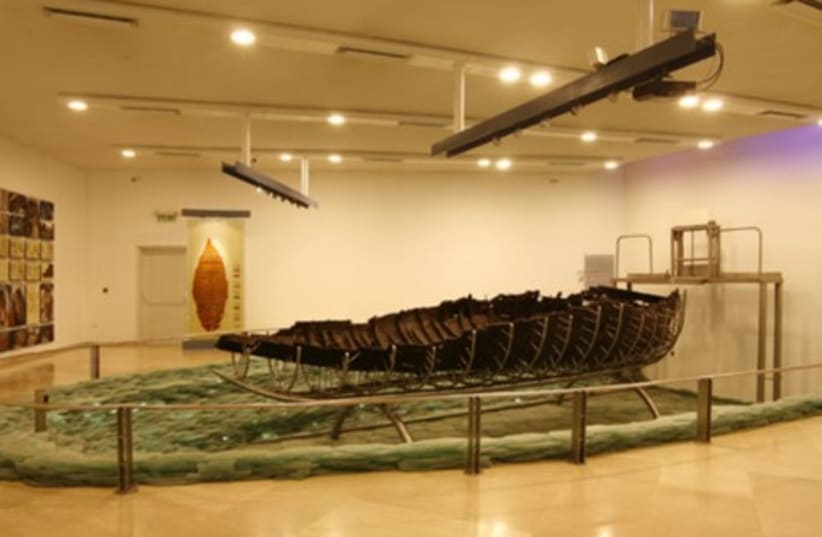
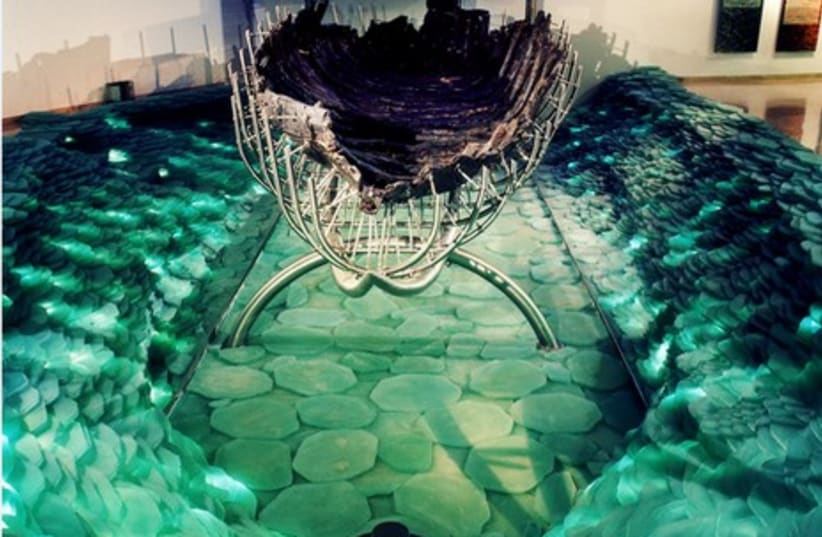
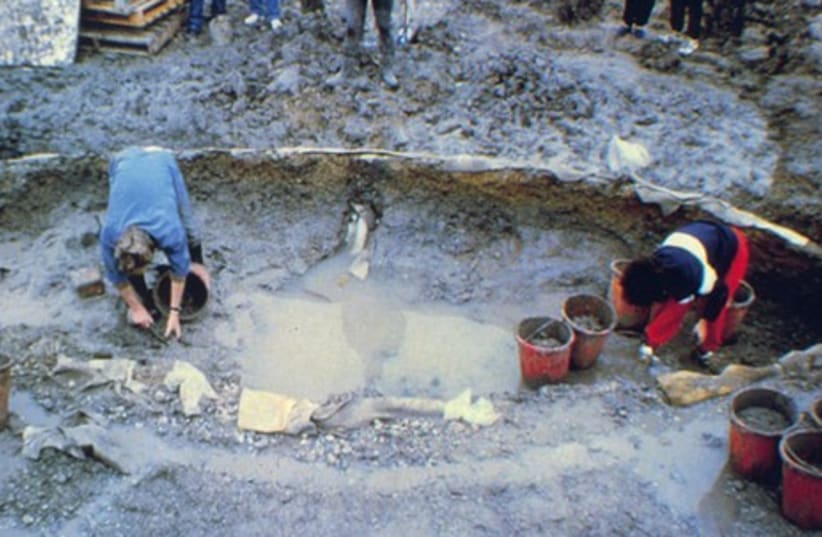
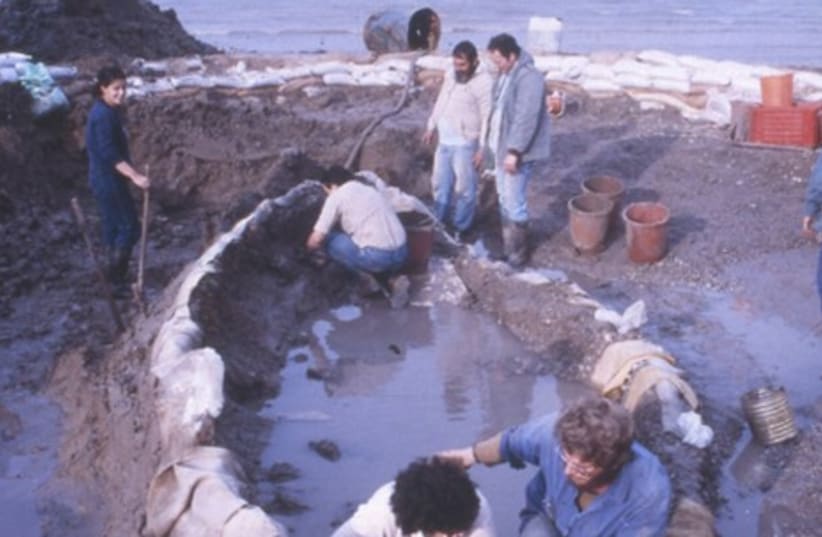
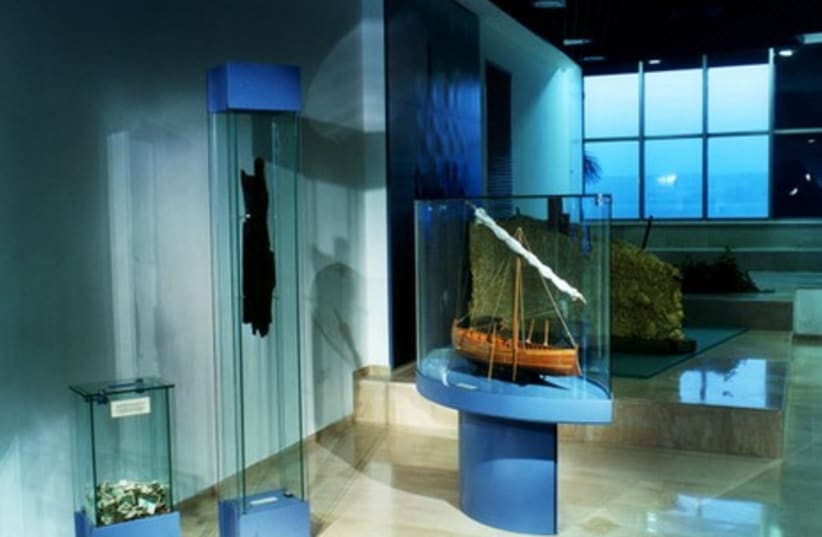
“The Kinneret will give us a treasure one day,” one brother told another. Turns out, he was right. In 1986, Yuval and Moshe Lufan, two sons of a fisherman in Kibbutz Ginosar, were walking the shores of the Kinneret. The drought that year dropped the level of the lake lower that the men had seen in years. One brother noticed something odd protruding from the mud. An old nail. As he poked around with his finger, he found another one. Then another. More digging unearthed pieces of ancient wood. While they didn’t realize it at the time, they had discovered a fishing boat that dated to the first century. Photo: The Jesus Boat FoundationThe necessary permits obtained, archaeologists set to work excavating the vessel. The manner of construction revealed a boat typical of the first century. Assembled with mortise-and-tenon joinery, the boat was built from oak as well as the resilient cedars of Lebanon—wood highly impervious to rot. The construction, the nearby pottery, and three independent carbon 14 dating examinations revealed that the boat dates from 100 BC to AD 70. Apparently, the original owners of the boat salvaged what they needed before scuttling the boat beneath the waves. Archaeologists dug a trench around the remains while keeping the wood moist by spraying it with water. If the soft, spongy timbers dried out, they would disintegrate. After bracing the boat with fiberglass, excavators sprayed on polyurethane foam that hardened around each crevice of the craft. Once dry, the foam served to support the fragile vessel as well as allow it to float. Archaeologists flooded the trench, and the boat—free at last from the mud—floated on the Kinneret for the first time in two thousand years. The process of preserving the boat occurred over the course of several years. Scientists soaked a synthetic wax into the pores of the planks. The wax stopped any further deterioration that would occur as the wood contacted the air. Visitors can see this amazing find today in a state-of-the-art museum named in honor of the late Yigal Allon—a former deputy prime minister, a Palmach officer, and a founding member of Kibbutz Ginosar. The museum tells the story of the boat’s discovery through a video presentation, photos and descriptions, as well as a scale model of how the boat would have appeared in its prime. The ancient boat itself, along with the pottery and nails, sits on display, ready for visitors to enjoy. Photo: The Jesus Boat FoundationMany people may not know that the museum also offers the IDF important studies and analyses related to military strategies, including awareness of current and future threats to the security of Israel. In addition, the museum serves as the office and laboratory for the Bethsaida Excavations Project. Because the ancient boat dates from the time of Jesus of Nazareth, some have sensationally dubbed the vessel, “The Jesus Boat.” Indeed, the seven- by twenty-six foot vessel could have held up to fifteen individuals, and it offers visitors a firsthand look the kind of boat Jesus and his twelve disciples would have sailed. The Bible refers to boats of this kind playing a major role in the ministry of Jesus, with more than a half-dozen references in Mark’s gospel alone (Mark 1:19; 3:9; 4:1; 4:36–37; 5:2; 5:18; 6:32; 6:45–51; 8:10–14). The Jesus Boat Foundation is developing a 900-seat indoor theater at the museum that will feature a dramatic multimedia presentation of Jesus’ Galilean ministry.A small snack bar offers ice cream and sodas for visitors, and the gift shop sells art photos, Christian wall hangings, movies, music, audio books, Messianic gifts, and books. I purchased my copy of O Jerusalem! there. What to Do There: Visit the museum and enjoy all it offers. Step outside on the dock near the Kinneret, and read two examples of boats of this type playing a role in the life of Jesus; read Mark 4:35-41 and 6:45-51. How to Get There:From Tiberias, head north on Route 90 to the Yigal Allon Museum at Nof Ginosar.Wayne Stiles has never recovered from his travels in the Holy Land. Follow him on Twitter (@WayneStiles) or on his blog at www.waynestiles.com.
if(catID != 151){
var cont = `Take Israel home with the new Jerusalem Post Store