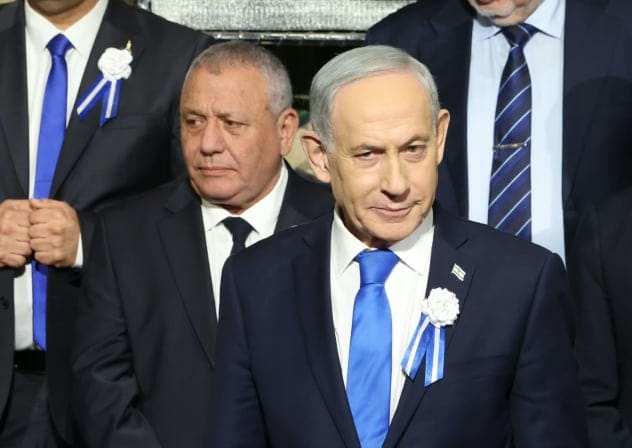
Likud sets conditions for unity government as Eisenkot launches coalition talks
Likud demands an end to boycotts against Netanyahu as Eisenkot seeks a unity government, while Bennett rules out serving under the prime minister.
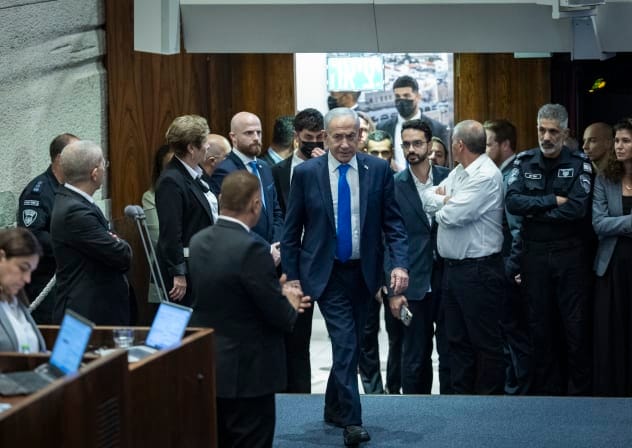
Likud demands an end to boycotts against Netanyahu as Eisenkot seeks a unity government, while Bennett rules out serving under the prime minister.


The Samaria Regional Council is advancing plans for a new city near Rosh Ha'ayin, with 60,000 housing units and a projected population of 200,000.

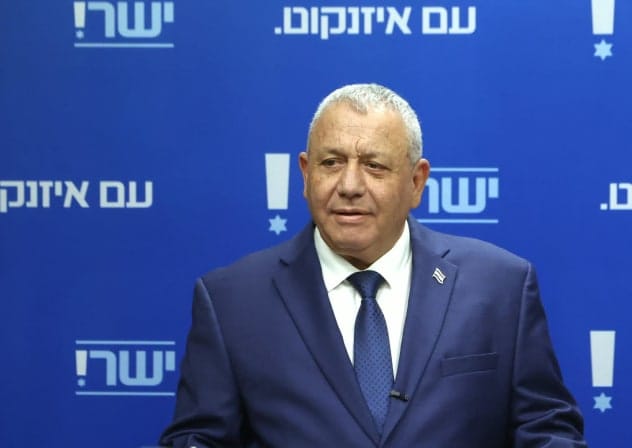
Eisenkot says he will pursue coalition deals with Likud and haredi parties but will move to form a minority government if negotiations fail to deliver.
The prime minister called for immediate political unity, warning that plans for a government relying on what he called "terror supporters" must be stopped.
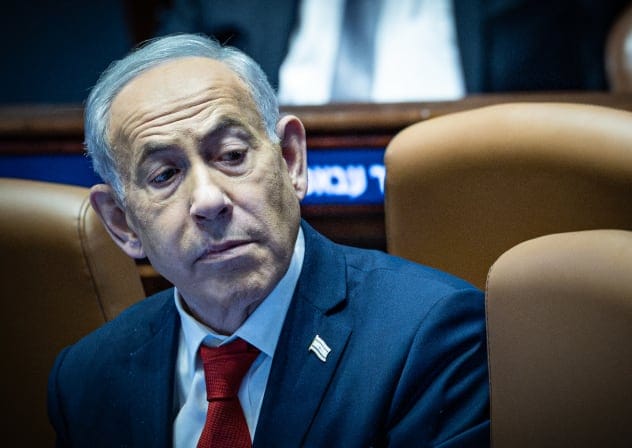
"Government policy has chosen a form of Judaism that expresses Rabbi Kahane's racist position," he said.
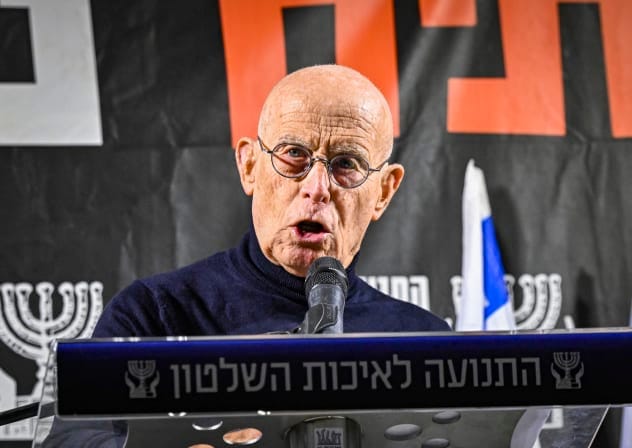
Among voters in the change bloc, 28% support including an Arab party in the government, even when a coalition could be formed without one.
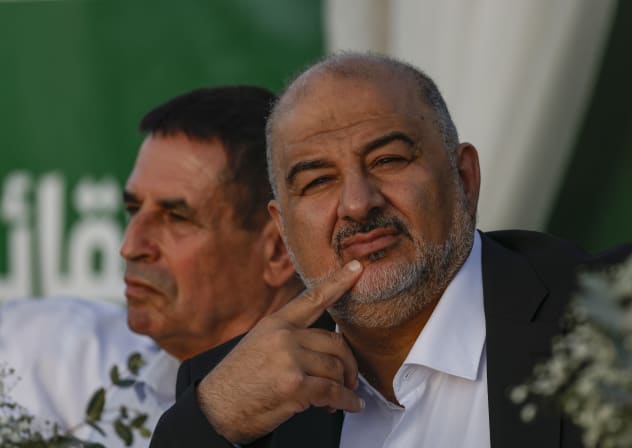
Yashar is preparing for the possibility that both coalition negotiation tracks will fail, with party officials citing Israel's security situation as the main reason for establishing a government.
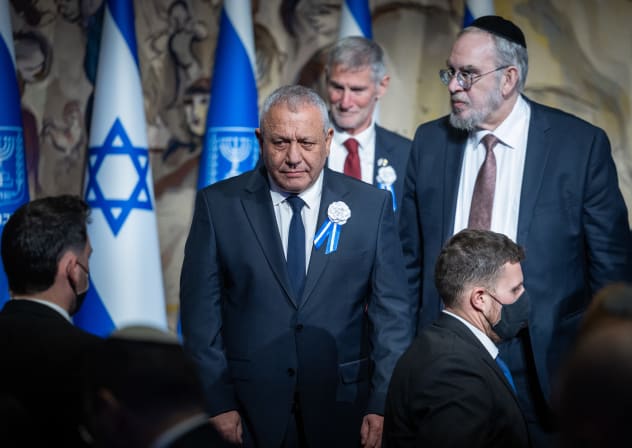
POLITICAL AFFAIRS: Gadi Eisenkot had the votes to elect a Knesset speaker, but forming a government will require that some of the parties backing him give up what they want.
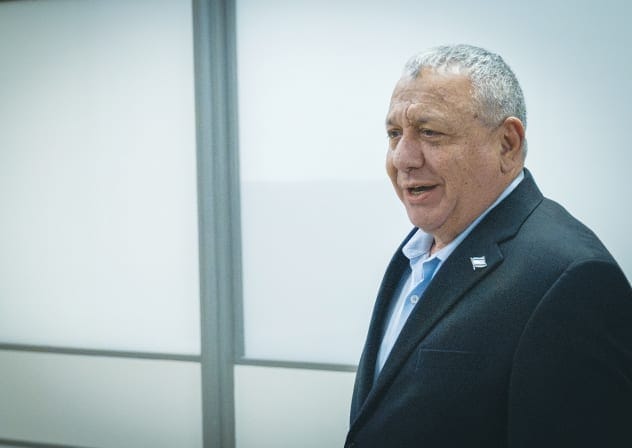
Israeli activists accused the government of violating Defense Minister Israel Katz's commitments by continuing to screen and transfer aid trucks bound for Gaza.

In the June vote for state comptroller, Elron competed against attorney Michael Rabello, who had served as Prime Minister Benjamin Netanyahu's personal lawyer.
The statement went on to criticize the Eisenkot-led bloc for relying on the support of Arab parties to advance legislation and oust Knesset speaker Amir Ohana (Likud).