Iran’s regime is at war with its own people - and executions are its weapon - opinion
As long as the Iranian regime remains in power, it will keep “searching for necks to hang from its gallows.”

As long as the Iranian regime remains in power, it will keep “searching for necks to hang from its gallows.”


Israel faces a historic crisis, and its next government must act urgently to restore democracy, rebuild alliances, reform society and secure the country’s future.

The next person who decides that personal conviction entitles him to risk Israel’s strategic interests may inflict damage that no amount of hasbara money can undo.

Netanyahu's plan to raise the Altalena wreck is designed to revive a political myth, redirect Israel's election debate and evade judgment over his own record.

The Altalena’s return reminds Israelis that no political dispute should ever outweigh the bonds that hold the country together.

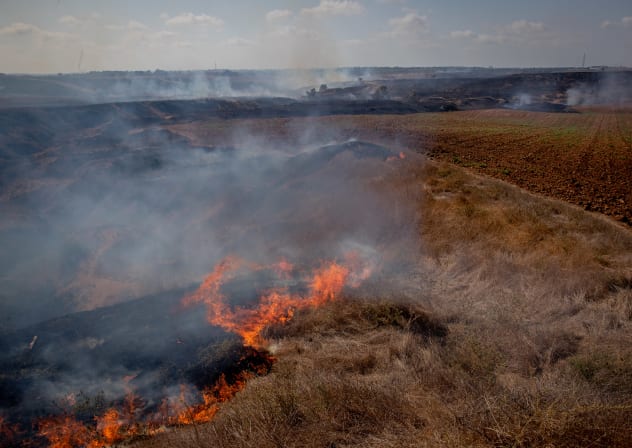
The world media is full of sob stories of poor refugee children threatened by Israeli might. That Israeli children are learning to be wary of kites and balloons, does not seem to bother them.
The leaders of the opposition remain divided over the most basic questions they will face the day after the election. Most importantly of these is: Who actually leads their camp?

The next election may reveal a political reshuffle already underway, as Israelis no longer fit neatly into the camps that shaped the country for decades.

At a time of intense debate over haredi conscription, an IDF video appeared to send the wrong message. The army must investigate how it reached an official channel.

I’m making it my policy to say yes to whatever I can; to not let my current disabilities keep me from taking advantage of life.

On Election Day, there are two possible political outcomes: A majority for continuing Netanyahu’s tenure or a majority for replacing him.
