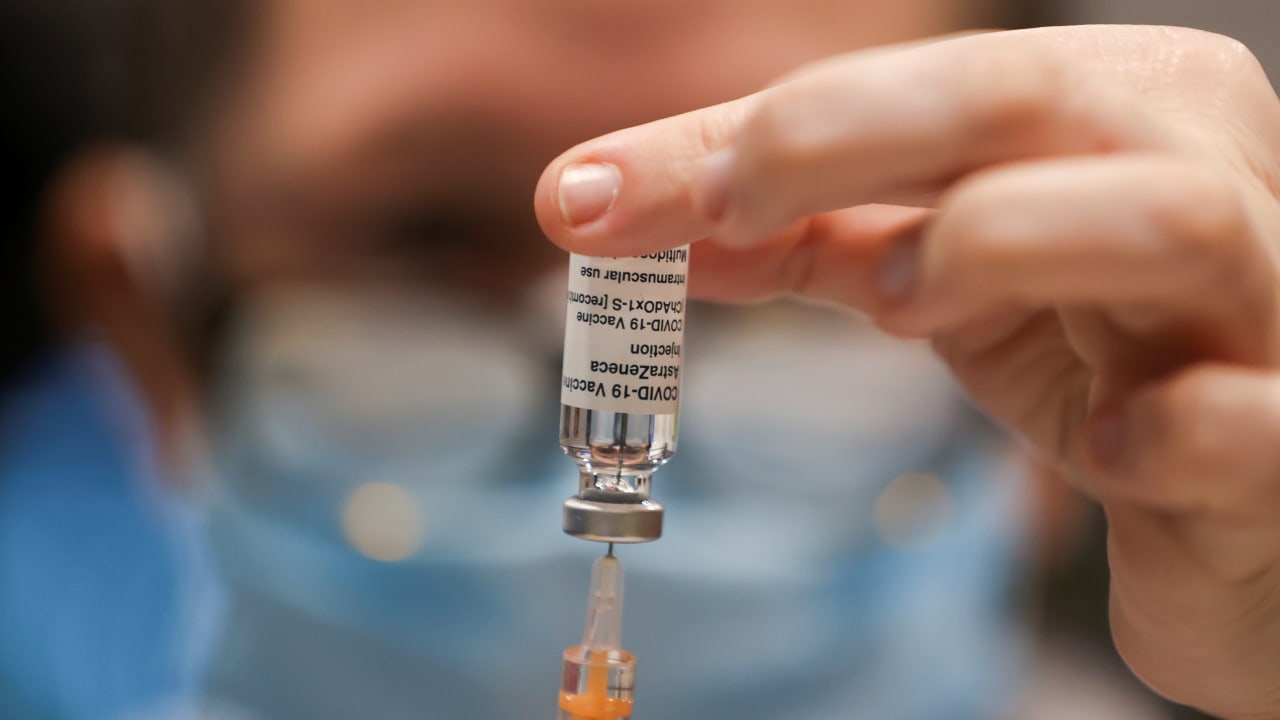
The British researchers behind the trial said data on vaccinating people with the two different types of coronavirus vaccines could help understanding of whether shots can be rolled out with greater flexibility around the world. Initial data on immune responses is expected to be generated around June.
It is expected more vaccines will be added to the trial when they are approved and rolled out.
Recruitment for the study starts on Thursday, with over 800 participants expected to take part, the researchers said. That makes it much smaller than the clinical trials that have been used to determine efficacy of the vaccines individually.
The trial will not assess the overall efficacy of the shot combinations, but researchers will measure antibody and T-cell responses, as well as monitor for any unexpected side effects.
Matthew Snape, an Oxford vaccinologist who is leading the trial, said initial results could inform vaccine deployment in the second half of the year.
"We will get some results through, we expect, by June or thereabouts that will inform the use of booster doses in the general population," he told reporters.
The trial is looking to recruit people over the age of 50 who may be at higher risk than younger people and have not been vaccinated already.
AstraZeneca's shot is also being tested in combination with Russia's Sputnik V vaccine, and British drugmaker's research chief has said more studies on combining vaccines should be done.