"Of particular concern ... is the emergence of the E484K mutation (found in the South African variant), which so far has only been seen in a relatively small number of individuals," said Ravi Gupta, a professor at Cambridge University's Institute of Therapeutic Immunology & Infectious Disease, who co-led the study.
"Our work suggests the vaccine is likely to be less effective when dealing with this mutation."
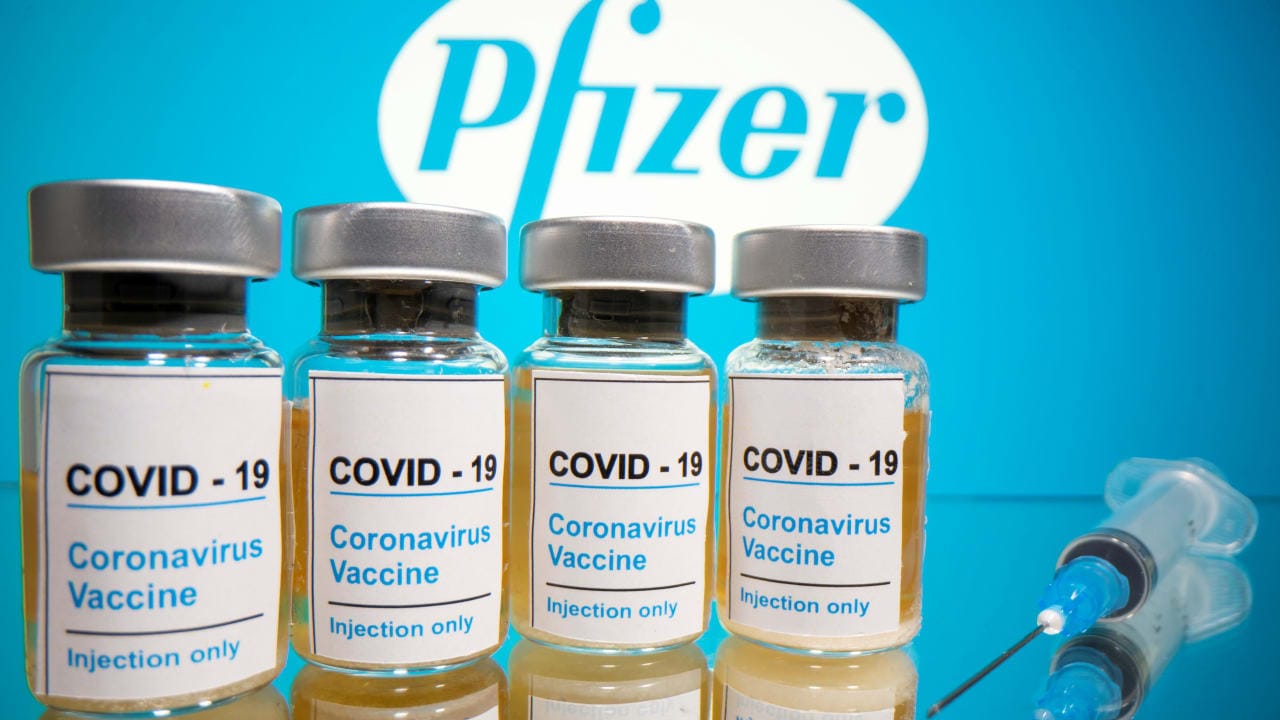
Britain and many other countries have begun rolling out the Pfizer-BioNTech vaccine to try to stem the spread of the pandemic disease.
While the highly effective vaccine is designed to be given in two doses around three weeks apart, Britain's government has opted to extend that time gap to up to 12 weeks to try to swiftly reach as many people as possible with a first dose.
When testing the blood serum samples, all but seven of the participants had levels of antibodies sufficiently high to neutralize the virus – that is, to protect against infection, the researchers said.
When the scientists added all the key mutations found in B1.1.7 variant, however, they found the efficacy of the vaccine was affected, with, on average, two-fold higher concentrations of antibody required to neutralize the virus.
When the E484K mutation was added, even greater levels of antibody were required for the virus to be neutralized - with an average of a 10-fold increase needed, the researchers said.
Dami Collier, who co-led the work, said the findings suggest "a significant proportion of people aged over 80 may not have developed protective neutralizing antibodies against infection three weeks after their first dose of the vaccine."
Clinical trial data released last week on two other COVID-19 vaccines - from Novavax and Johnson & Johnson - also found the South African coronavirus reduced their ability to protect against the disease.