
The International Energy Agency's proposal to release strategic oil reserves to mitigate the effects of the war in Iran and the potential closure of the Straight of Hormuz was approved by its 32 member states, with the G7 nations backing the release of 400 million barrels of oil.
This comes as Germany, Japan, and Australia, along with most of the G7, announced that they would begin drawing on their oil reserves to address the current oil crisis.
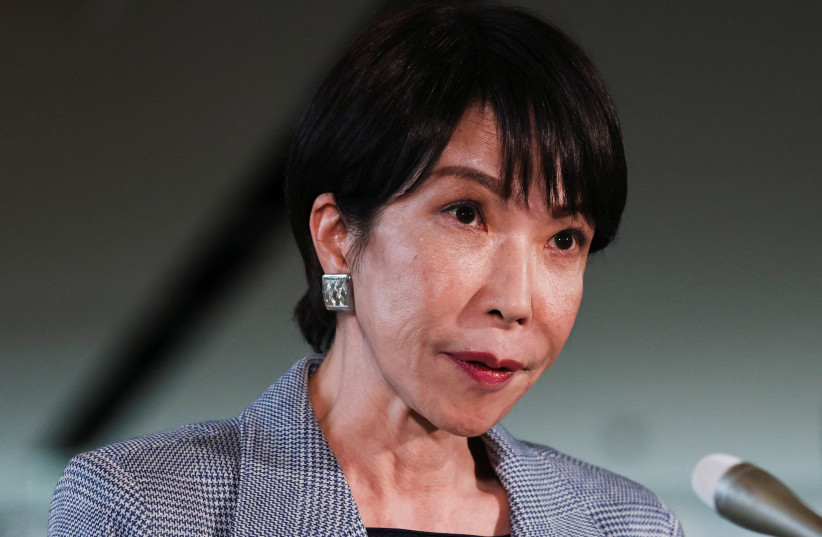
Japan's Prime Minister Sanae Takaichi supported the decision and noted that her country "decided to take the lead in easing supply and demand conditions in the global energy market by releasing reserves as early as the 16th of this month."
Germany's Economy Minister Katherina Reiche also supported the request.
"We will meet this request and do our part, because Germany stands behind the most important tenet of the IEA, collective solidarity," she wrote in a statement.
Germany plans to contribute 2.4 million metric tons of oil (about 17.9 million barrels), according to the German outlet DW, while Japan is projected to contribute 80 million barrels from its private and national oil reserves.
French President Emmanuel Macron also announced that the government could release additional oil reserves, in addition to the 14.5 million barrels it will release as part of the IEA plan, to "cushion oil prices on French consumers."
The Indian government on Wednesday said it welcomes the International Energy Agency's decision to release emergency oil stocks amid prevailing supply disruptions.
"India stands ready to take appropriate measures, as necessary, to support global market stability in alignment with the efforts of the International Energy Agency," India's Ministry of Petroleum and Natural Gas said in a statement.
Trump at G7 meeting: 'We are having a tremendous impact'
US President Donald Trump spoke at the G7 meeting called by France to coordinate the response to the IEA's decision to release oil reserves, praising the "tremendous impact" of the group's decisions.
"I think we are having a tremendous impact, unbelievable actually, on the world," Trump said, after being given the floor by Macron, who chaired the G7 meeting. It was not immediately clear whether Trump was referring to the release of oil stocks announced minutes earlier or to the general war with Iran.
Notably, oil prices rebounded on Wednesday as markets doubted whether the IEA's plan could offset the volumes of oil blocked by the conflict.
Analysts have said the pace of daily IEA stock releases would matter as much as, if not more than, the overall size.
If 100 million barrels were released over the next month, the daily pace will amount to around 3.3 million barrels per day - a fraction of the current disruption of around 20 million barrels per day, with the Strait of Hormuz between Iran and Oman effectively blocked.