
The International Fellowship of Christians and Jews has enacted an emergency plan in collaboration with its field partners in Ukraine and the government of Israel to assist the local Jewish community.
“Our goal is to reach every Jewish individual and community in need and provide them with food, shelter and any other form of assistance they may require, including providing Aliyah services whenever and wherever possible,” explained Fellowship CEO Yael Eckstein. "We have been maintaining constant contact with our partners throughout Ukraine in order to ascertain and meet their rapidly evolving needs.”
The fellowship raised $1 million in emergency funds from Christian donors around the world to assist the community. The funds have been transferred to Ukraine's main Jewish community organizations who are putting the funds into action.
Services include augmenting the community’s security system, reinforcing its transportation system, ensuring satellite communication, providing provisions of food and more.
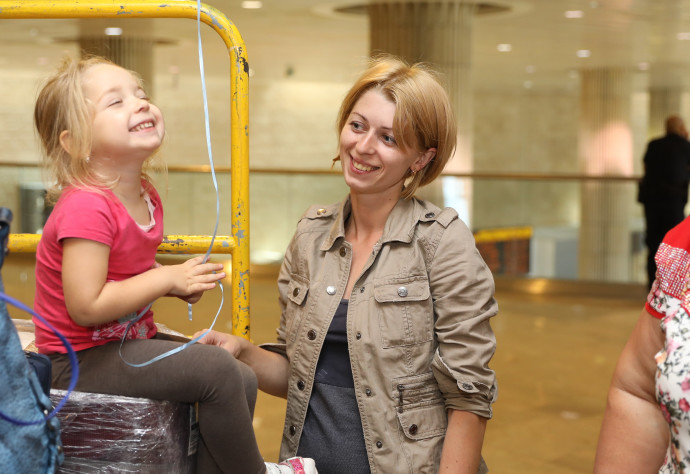
The Fellowship also helped bring 75 Ukrainian Jews to Israel on Aliyah earlier this week.
“As always, we are deeply grateful to our Christian donors who stand with Jewish people in need during times of peace and war, wherever they are in the world,” Eckstein said.
Moreover, the Fellowship, together with the Jewish Agency, opened an emergency hotline in Hebrew, Ukrainian and Russian to serve members of the Jewish community in the state and their relatives in Israel.
Emergency hotline numbers are as follows:
Calling from Ukraine
Toll Free 0800504603
Local Numbers
0442300478
380936517177
380960979851
0638318336
380504691840
For Relatives in Israel
Toll Free 1800228055 extension 4
02 6367714
02 6461447
The Fellowship’s integration coordinator, Evgeniya Zak, whose family lives near the border said that “we are very worried.”
She said that until Thursday morning her family was “very optimistic. Today, we heard the apprehension and stress in their voices for the first time. At this moment my family, like many citizens in the region, are making their way to the Polish border. I very much hope that they can quickly cross the border in peace.”