As healthcare systems across Europe, North America, and parts of the Middle East continue to experience extended wait times, rising treatment costs, and limited public funding for elective or non-urgent procedures, many individuals are looking beyond their home countries for accessible and reliable alternatives. In 2025, Turkey stands out as one of the most active and evolving medical destinations, attracting hundreds of thousands of health tourists seeking timely care without compromising safety or dignity.
What sets Turkey apart in this growing market is not only affordability, but also the patient journey itself. Turkish hospitals, many of which are JCI-accredited or nationally certified, offer systems designed around coordination, communication, and patient support. These systems are no longer limited to major private hospitals in Istanbul, either. The model is spreading to cities like Antalya, İzmir, and Ankara, where health services are being integrated with the tourism economy in increasingly sophisticated ways.
The Changing Face of Medical Travel
Medical tourism has evolved beyond cosmetic surgery and dental enhancements. While those remain popular, today’s health travelers are often motivated by medical need and system fatigue. Patients are traveling for bariatric procedures to manage life-threatening obesity, for orthopedic surgeries that restore mobility, or for fertility treatments when domestic costs and insurance policies are prohibitive.
Procedures like abdominoplasty (tummy tuck), rhinoplasty, and BBL (brazilian butt lift) are also being sought out not just for aesthetics but for post-pregnancy recovery and trauma reconstruction. In countries such as the UK, Canada, or the U.S., patients often face 6–12 month waiting periods just to receive a consultation. In Turkey, that timeline is compressed. Patients can typically schedule surgery within two to four weeks, with direct access to specialists, detailed treatment plans, and full pre- and post-op guidance provided in their own language.
Moreover, Turkish healthcare providers have adopted a “wraparound” model that accounts for the entire medical travel experience, not just the procedure itself. International units within hospitals handle airport transfers, visa coordination, translation services, and premium accommodation in nearby hotels. Some hospitals even offer recovery packages with in-room nursing support, dietary planning, and post-op transportation. For patients navigating chronic conditions or complex treatments, these details make a difference.
A Look Inside One Institution’s Approach

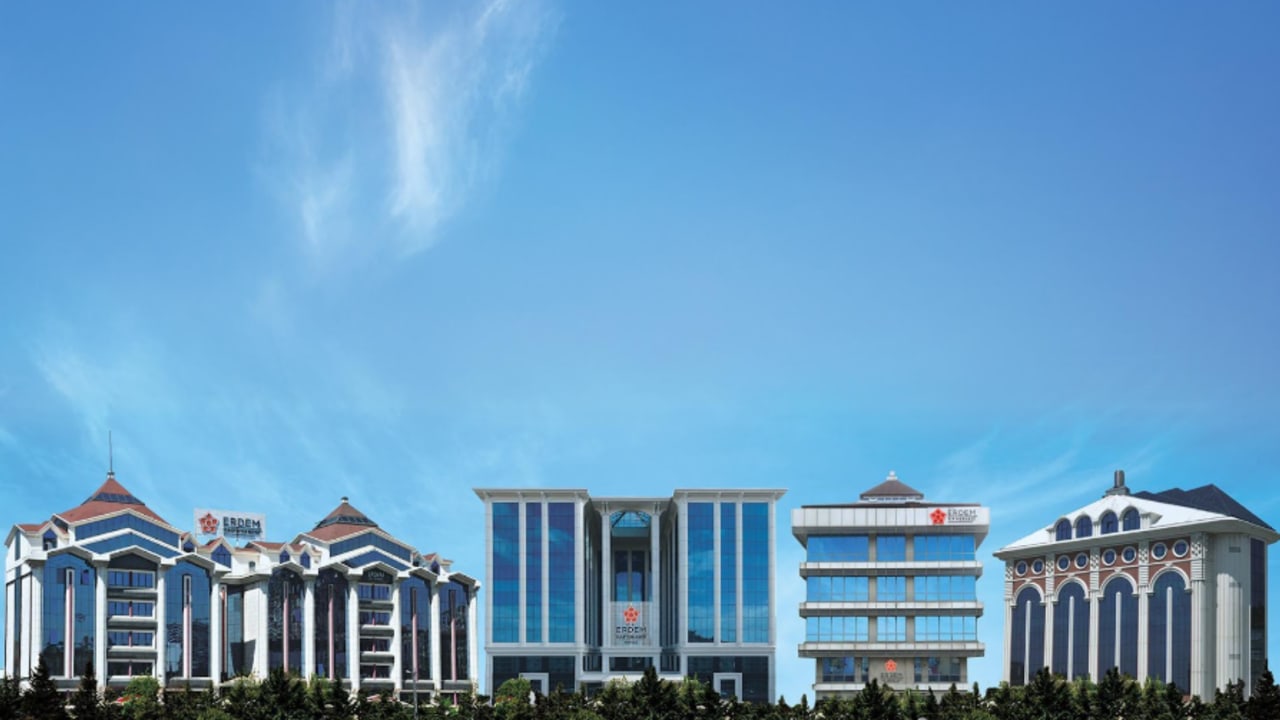
Hospitals across Turkey have developed varying models for international care, but Erdem Hospital in Istanbul, with over 37 years of continuous operation, offers a window into how this patient-centric system functions.
Flora Mici, a young woman in her mid-20s from Hungary, represents a different kind of patient story—one shaped as much by emotional readiness as physical transformation. Before her gastric sleeve surgery at Erdem Hospital, Flora described herself as a deeply shy person, reluctant to go out or socialize. “I didn’t want to go anywhere before the surgery,” she admitted. “I just wanted to lose some weight because I was too shy.”
After researching online, she found Erdem Hospital and decided to trust them with her care. Her post-op journey was marked by more than physical change; over nine months, she lost over 45 kilograms and discovered a new level of self-confidence. But what stayed with her most wasn’t just the results.
“The doctors and nurses were very lovely and funny,” she said. “And the most important thing is, I felt everyone at Erdem Hospital was thinking about me.” She added, “It was more comfortable here than in Hungary. I felt safe.”
Flora’s experience reflects a core element of Turkey’s medical tourism model: warmth, familiarity, and trust, offered alongside clinical expertise.


In another case, Alina Roman, a woman from Romania, sought a procedure at Erdem Hospital to address both the physical toll and emotional fatigue resulting from years of body image struggles. For her, this wasn’t just a cosmetic decision, it was a deeply personal step toward healing and self-acceptance. Her experience, later shared in a candid and emotionally resonant video posted to the hospital’s digital platforms, reflected far more than just surgical success.
Alina emphasized how meaningful the emotional support was during her stay. “Everyone from the nurses to the patient coordinator made me feel like I wasn’t alone in this,” she said, recalling the warmth and encouragement she received from the medical staff at every stage of her journey. She spoke of the calm reassurance before entering the operating room, the gentle follow-up care during recovery, and the genuine human connections that made her feel seen not as a patient number, but as a person with hopes and fears. This atmosphere of empathy and attentiveness, she said, played just as important a role in her transformation as the procedure itself.
The visible changes after surgery were striking her posture improved, her movements were more confident, and her expression radiated a new sense of calm but what truly stood out was the emotional shift. This atmosphere of empathy and attentiveness, she said, played just as important a role in her transformation as the procedure itself.

Reliability Over Luxury
Unlike some health destinations that focus on prestige or exclusivity, Turkey’s model is rooted in reliability and experience. Most hospitals do not market themselves as elite institutions. Instead, the emphasis is on clear communication, ethical medical practices, and structured coordination. The objective is not just to treat, but to reassure and that’s especially important for patients traveling while vulnerable.
From plastic surgery and dental crowns to spinal procedures and joint replacements, hospitals are working toward standardization and continuity. This includes documentation in multiple languages, access to surgeon qualifications and surgical volumes, and comprehensive aftercare plans including digital follow-ups once patients are back in their home countries.
In this sense, Turkey’s strength is not glamor it’s organization paired with a human tone. Hospitals like Erdem have built their reputations not by showcasing futuristic devices or designer waiting rooms, but by maintaining a system where patients feel seen, heard, and supported.

A Growing Global Pattern
Turkey is part of a wider shift in global healthcare. Countries like Thailand, Hungary, Mexico, and India are also gaining ground in this sector, but Turkey’s position as a crossroads geographically and culturally gives it a unique advantage. Patients from Europe can arrive within a few hours; Middle Eastern patients often benefit from language compatibility and shared medical traditions; while U.S. patients are drawn by the price transparency and ease of scheduling.
For national health systems watching this trend, it poses difficult questions. How can continuity of care be maintained across borders? What regulations are needed to ensure safety? How do public health goals coexist with private medical travel? These are ongoing debates. But for many individual patients, especially those who feel stuck in limbo at home, the decision is less abstract.
The appeal of traveling to a place where the timeline is faster, the price more manageable, and the process more personal is strong. And in Turkey, that option has moved from niche to mainstream.
Hospitals like Erdem Hospital offer just one example of how this shift is taking place. Their model isn’t dramatic but it is steady. And for many patients, that consistency is what health has been missing.
This article was written in cooperation with Karen Koehler