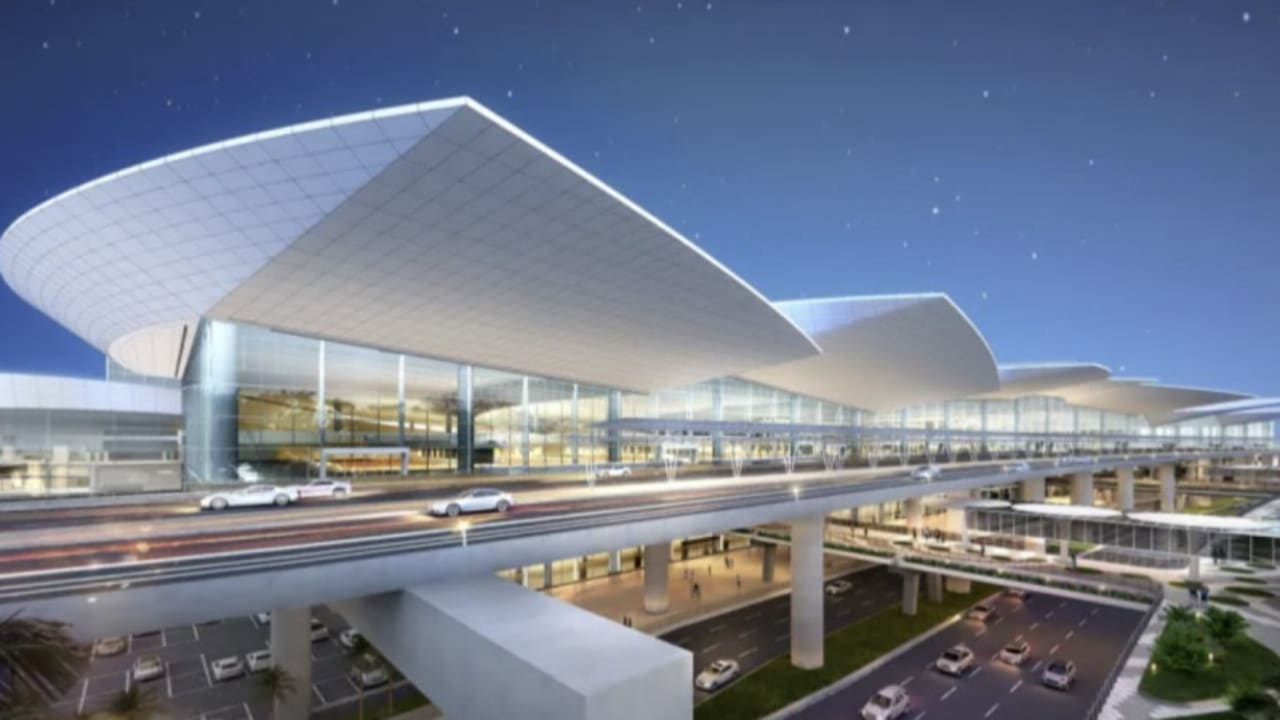
While the global tourism industry faces dramatic shifts, Vietnam is preparing to enter the big league. The country’s largest aviation project—Long Thanh International Airport—will open its doors next year after years of challenging construction.
An investment of VND 336 trillion (approximately $40 billion) makes the project one of the most expensive of its kind in Asia. The new facility will feature three terminals with four runways, with the main hall boasting an 82-meter-long glass roof shaped like a lotus flower—a central cultural symbol in Vietnam.
A Destination That Could Change Everything
Vietnam is steadily gaining recognition as one of the most affordable long-term travel destinations in the world. Yet, Israeli tourists tend to prefer nearby Thailand, leaving Vietnam in a secondary position in their choices—mainly due to accessibility issues.
The new airport in Ho Chi Minh City is set to change that equation. It will replace the current Tan Son Nhat Airport as the primary hub, while the old facility will focus on domestic flights.

The new airport will accommodate 25 million passengers in its initial phase, with the potential to grow to 100 million passengers per year. These figures place it in the league of the world’s largest airports—comparable to Atlanta and Dubai.
Implications for the Asian Tourism Industry
The project arrives at a time when the Far East faces significant geopolitical and competitive shifts. Vietnam is leveraging its geographic location and low costs to attract tourists seeking alternatives to the rising prices of more established destinations.
The new airport will enable additional direct flights from Europe and North America, which could reduce travel times and lower costs. This is particularly significant in a market where extra flight hours can determine one destination over another.
Despite the impressive prospects, the project faces considerable challenges. Construction costs have surged over the years, and the opening date has been postponed multiple times. The infrastructure surrounding the airport—roads, public transport links, and hotels—is still in various stages of development.
Additionally, Long Thanh Airport enters a fiercely competitive market with established regional facilities. Singapore, Hong Kong, Dubai, and even Bangkok are already established as major transit hubs for passengers traveling to the Far East. Vietnam will need to offer clear advantages to attract travelers from these established centers.
The main advantage could be economic—Vietnam can offer lower costs for both airlines and tourists. But this alone is not enough; the country will also need to improve tourism and cultural infrastructure to become a primary destination, not just a transit stop.