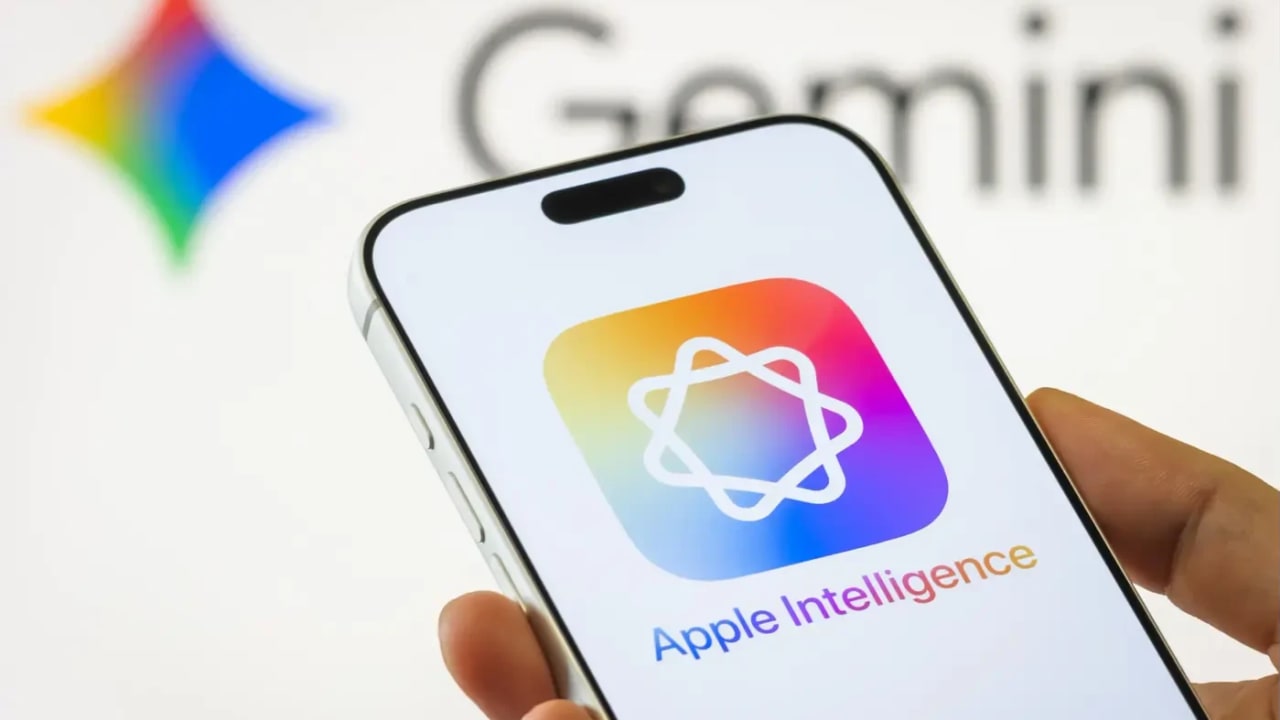
Apple is approaching the moment of truth for Siri, and the details being revealed indicate that the company is not settling for a cosmetic improvement, but is planning a strategic shift in the way users interact with its platform. Mark Gurman of Bloomberg, who closely follows every step of Apple in the field of artificial intelligence, reports a series of significant updates that are expected to turn the veteran assistant into a real competitor in the modern chatbot market.
At the heart of the upgrade is Siri's ability to leverage personal information from messages, emails, and notes in order to complete complex requests. Unlike in the past, Siri is expected to be able to perform tasks directly within applications, access news, and conduct in-depth web searches. One of the interesting innovations is the "Ask Siri" feature, which will allow users to conduct a conversation in natural language – both in text and in voice – a format that has not existed until now on Apple's platform and brings it closer to the capabilities of AI tools known from competing companies.
Despite the high expectations, the road to launch is full of delays. In the last two months alone, several postponements in the timelines have been reported, raising questions about the level of substance of the first parts of the upgrade that will be presented to the public. At this stage, the only official confirmation that has come from Apple is that Google Gemini (Google Gemini) is the engine that will power the new Siri, a move that emphasizes Apple's effort to close the technological gap with its rivals.
The official unveiling of the renewed Siri is expected to take place during the annual developers conference, WWDC 2026, which will be held between June 8 and 12. The main announcement is expected to be delivered already in the keynote on June 8, while the improvements themselves are intended to be part of the operating systems iOS 27 and macOS 27. For users, this is a long wait for a project that is delayed again and again, but may completely change the way they operate the devices in their hands.