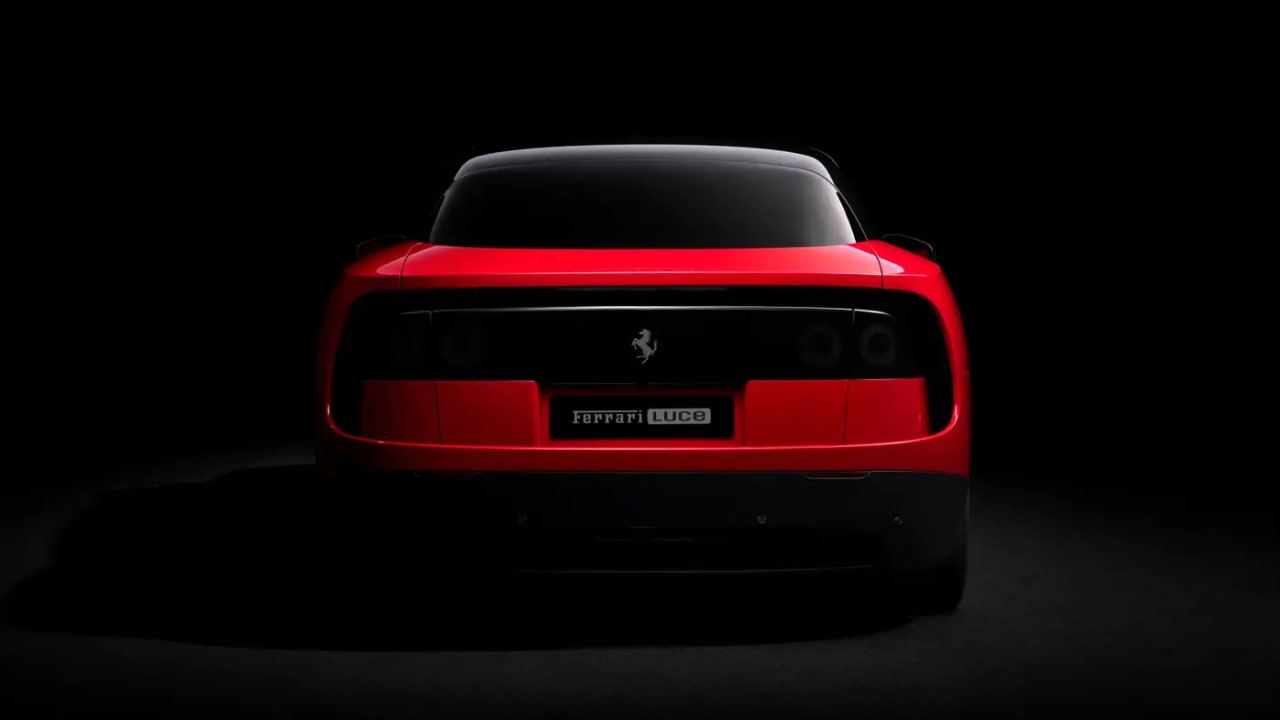
We knew this day would come. Ferrari had already launched plug-in hybrid models and teased what was coming next. But today, it has finally happened: The sports car manufacturer founded by Enzo Ferrari is now producing an electric vehicle, and it looks nothing like what anyone expected. Did Ferrari make a huge mistake, or are we simply failing to understand its vision?
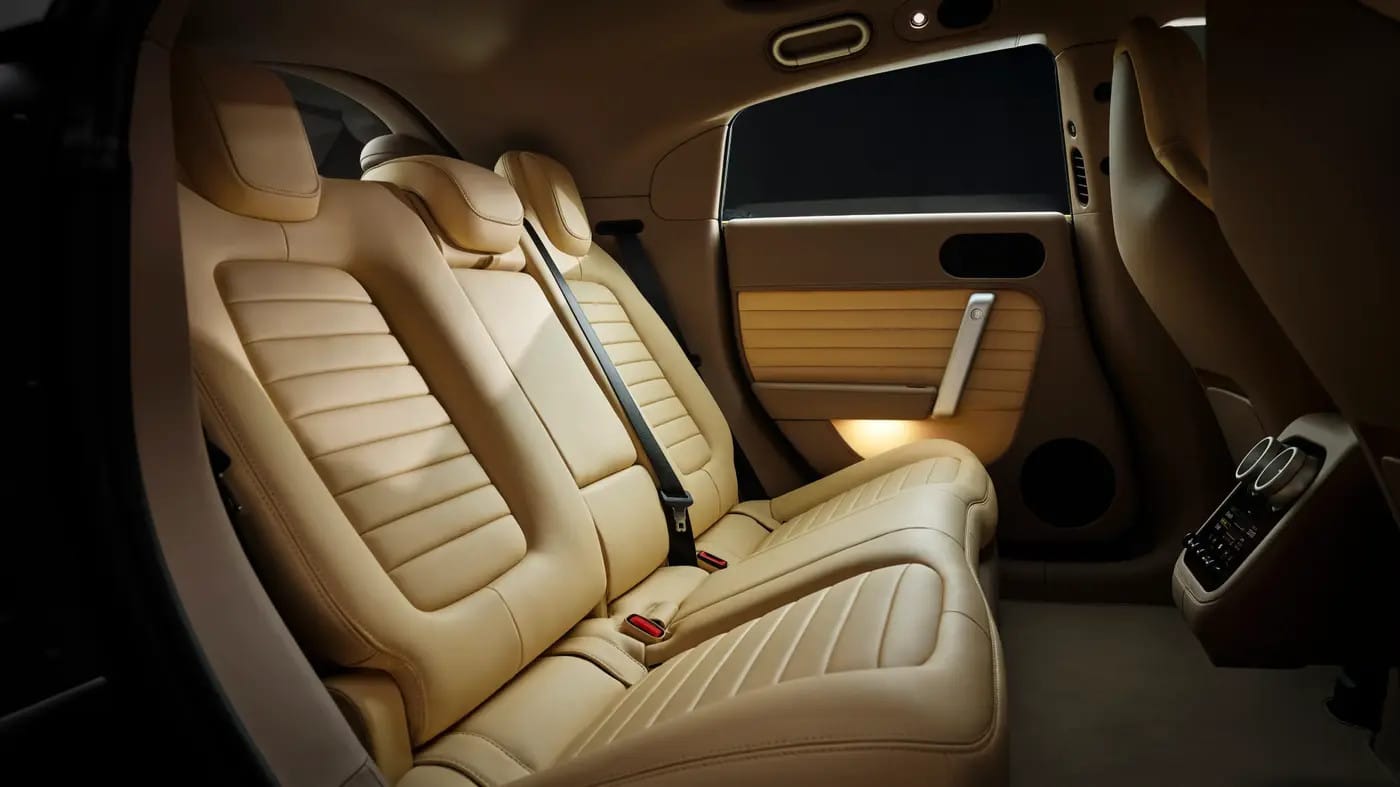
The Ferrari Luce is a large sedan, measuring 5.03 meters in length, 1.99 meters in width, and 1.54 meters in height, with a 2.96-meter wheelbase. It offers seating for five passengers, a first for Ferrari, including enough room for three adults in the rear seats. The trunk has a capacity of 597 liters, and curb weight stands at 2,260 kg. Tire sizes are 265/35 R23 at the front and 315/30 R24 at the rear.
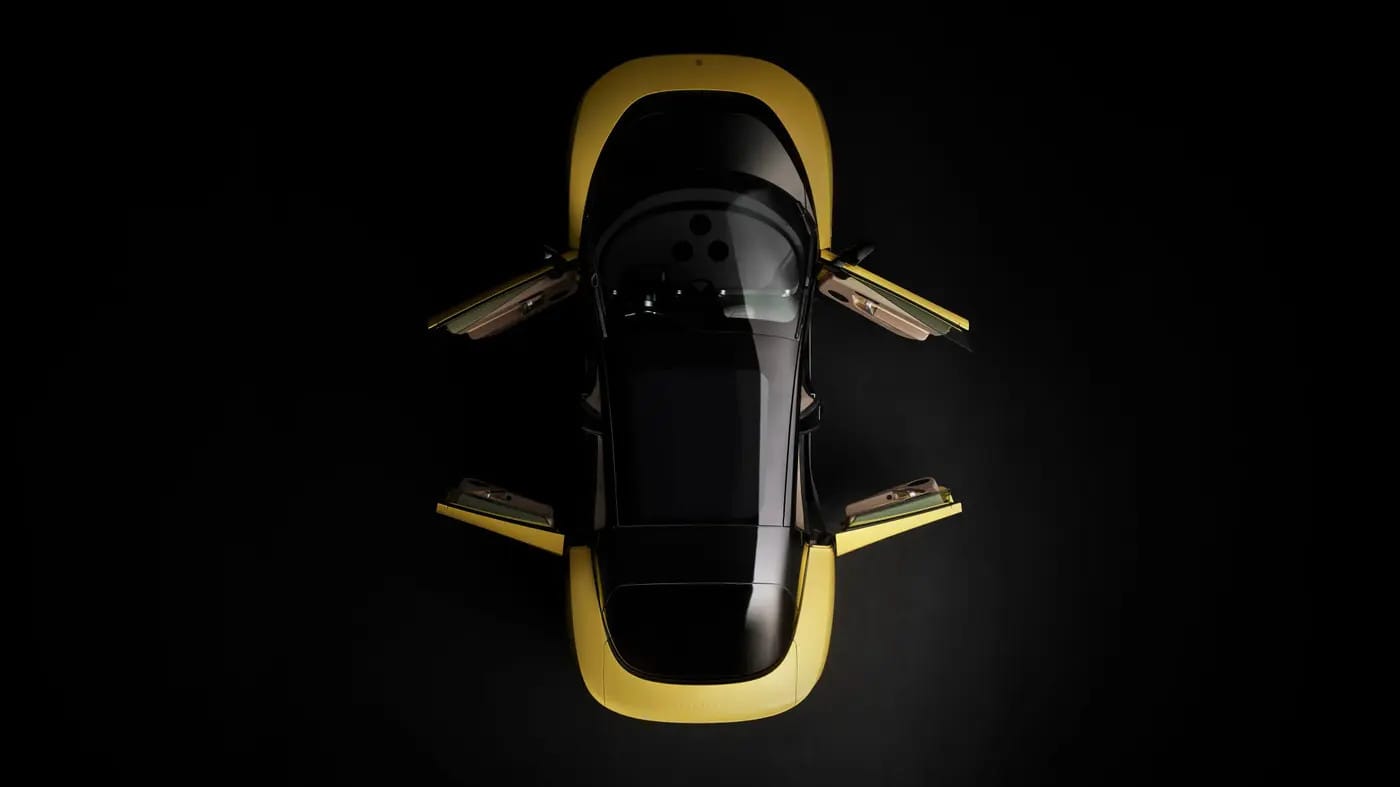
The four electric motors, one for each wheel, produce a combined output of 1,050 horsepower and 99 kg-m of torque, with most of the power directed to the rear wheels. However, this is Ferrari’s first sedan, not a crossover like the Purosangue. The front wheels disengage at highway speeds when all-wheel traction is not required. The rear wheels can steer by up to 2.15 degrees to improve maneuverability.
Performance figures include 0–100 km/h in 2.5 seconds, 0–200 km/h in 6.8 seconds, and a top speed of 310 km/h. A 122 kWh battery provides a combined driving range of 530 kilometers.
But the real story is the design. Ferrari’s chief designer, Flavio Manzoni, was not responsible for the styling. Instead, the project was entrusted to LoveFrom, the design collective led by Sir Jony Ive, former iPhone designer at Apple, and industrial designer Marc Newson. The result does not look like a traditional Ferrari, which may have been the intention, but it has disappointed many loyal fans of the brand. Not only is it an electric car, but it also does not look like something that should wear the Prancing Horse badge.
The front end somewhat recalls the F80 and the 849 Testarossa. The windshield wipers are concealed within the front side pillars, while the profile is dominated by a massive glass upper section. The tires are enormous, the largest ever fitted to a Ferrari, and at the rear, the taillights evoke the Ferrari 458 and 360.
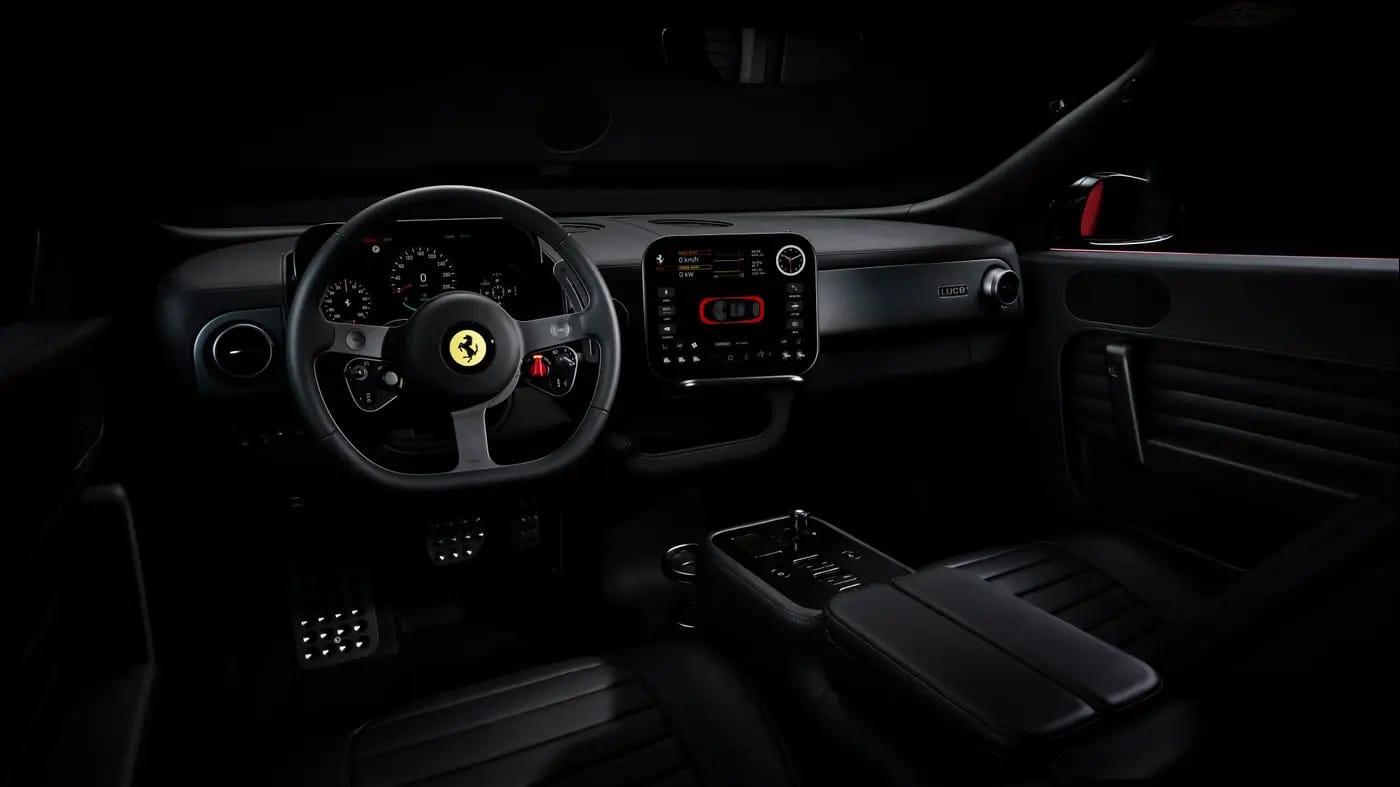
The interior design appears more successful, combining classic and modern elements. There is no giant screen. Instead, physical controls remain, including buttons on the steering wheel. The instrument cluster is mounted directly to the steering wheel and moves with it up and down, promising excellent visibility for the driver. Information systems are digital but presented through traditional-style dials.
Behind the steering wheel are two paddles. The right paddle allows the driver to choose between five power levels, creating an acceleration feel similar to that of a gasoline-powered Ferrari. The left paddle controls the sensation of engine braking when slowing into corners. It is essentially a manual transmission experience for an electric car. Drivers can choose between three power modes: Range, Tour, and Performance.
The chassis is made of aluminum, recycled in keeping with current sustainability trends. The car also features active suspension and a low center of gravity thanks to the battery pack.
What would Enzo Ferrari have said?
The price is expected to start at around $600,000 overseas, roughly twice that of the Purosangue, which starts at approximately NIS 3.25 million in Israel before numerous options. As a result, a base Israeli price of NIS 7 million, rising to 10 million after optional extras, seems quite realistic. Ferrari importer Samelet stated that there is currently no official price or arrival date for the Luce in Israel.
Since the beginning of the year, five Ferrari vehicles have been delivered in Israel, compared with four during the same period last year.
Will the Luce find buyers? Lamborghini canceled its electric vehicle project, citing "limited demand." Aston Martin postponed the launch of such a model until the end of the decade. Porsche has already halted production of the Taycan, its electric sedan, twice in recent years due to weak demand, even after a significant facelift. For Ferrari, which chose to unveil the Luce on the anniversary of its first racing victory at the Rome Grand Prix with the S125 on May 25, 1947, this represents the start of a very different race, driven by the same desire to win.
The debate surrounding the Luce is only intensifying.