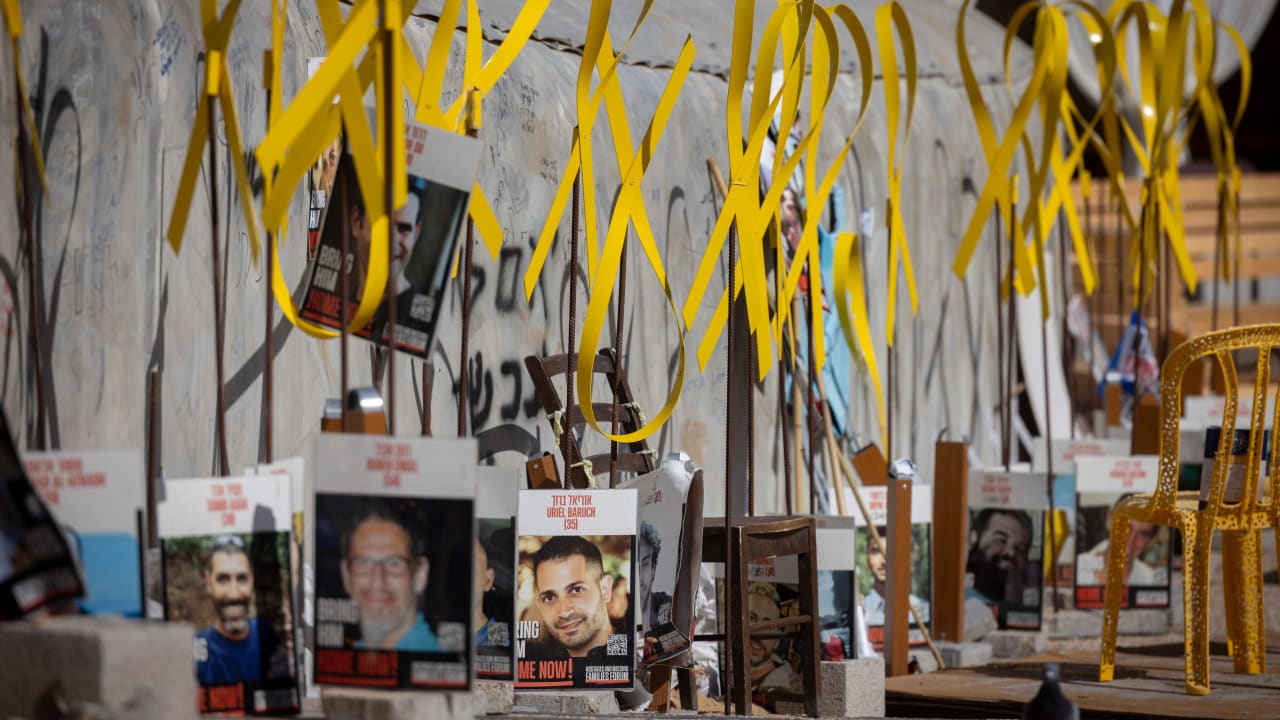
An impending ceasefire and hostage deal is an opportunity for Israelis to mend fractured societal relations and expand on a greater Israel-Diaspora awakening that occurred in the wake of the October 7 massacre, Tzohar chairman Rabbi David Stav told The Jerusalem Post in an interview on Wednesday.
Israel and Hamas’s acceptance of the 20-point peace plan proposed by US President Donald Trump on September 29 didn’t bring peace to the entire Middle East, said the Shoham chief rabbi, but the quiet could afford time to “heal the fractures in the nation of Israel.”
The last three years have seen divisions over the judicial reform and the prosecution of the Israel-Hamas War, Stav recalled, with differing factions hurling hurtful words and hate at one another. “Rehabilitation” of the Jewish people was necessary for the nation’s future, he said. Reconciliation had to come in part through perceiving the other side in good faith.
“I don’t think that there is a Jew that isn’t happy that dozens of people will be released from captivity after two years. I also believe there are no Jews that aren’t pained that hundreds of murderers are being released – who knows what price will be paid by this action in the future,” he said, referring to the agreement that would see Palestinian terrorists released from Israeli prisons.
'We need to be mature enough to hold both feelings'
“Those who are against the deal are also happy for the hostage families, and those happy about the deal are also worried about the release of murderers.” In the short term, it was legitimate to revel in the return of the hostages that had been seized by Gaza’s terrorist organizations during the October 7 massacre, according to the rabbi.

“We need to become a society mature enough to hold both feelings,” Stav said.
In addition to mending internal rifts, the bonds in the Diaspora that were created in the wake of the 2023 Hamas-led pogrom had to be secured. The hostages were coming home thanks in part to the significant contributions by the Jewish Diaspora, he explained. Their work and solidarity needed to be honored.
“Israel society discovered world Jewry anew after October 7,” the rabbi said.
In the past, Israelis saw themselves more as Israelis than Jews, Stav explained, but, after October 7, the entire country saw what it meant to be part of a broader Jewish community. The Diaspora rallied to provide aid, raise money, and even provide drones for army units. Delegations visited October 7 victims, the wounded, and bereaved families. Israelis and Diaspora Jews feel a connection to one another, and Israelis know that they owe the Diaspora for its support.
Many students abroad – and even in Israel – had begun to take an interest in their Jewish identities in the wake of the massacre. He believed that it was Israel’s responsibility to strengthen Jewish identity and help these young Jews. At the same time, Stav said that Israelis needed to reach out to speak with the Diaspora Jews who believed that the country was in the wrong.
“In a lot of instances, Israel has stopped talking, not just to the world, but also to other Jews,” Stav said.
The criticisms about the ostracization of non-Orthodox denominations in Israel, which harmed relations with other streams of Judaism, were legitimate, he said. Stav gave the example of the inability to find compromises at the Western Wall. There were those who wanted to make aliyah but were dissuaded by the state’s treatment of their denomination.
“The Land of Israel is not the property of the government, but of the Jewish nation,” said Stav. “Family is family, we don’t choose them.”
Antisemitism in the diaspora
Stav also called for greater appreciation for how incidents in the Levant impacted Jews abroad. He rejected claims that Israel caused antisemitism, as the hate was often unconditional, but recognized that there was a connection. He criticized ministers acting as extremists to rally their base domestically, without concern about how their concerns could be used to harm Jews in the Diaspora.
Antisemitism is far older than the modern State of Israel, Stav reminded – born out of a hatred of what Jews represent. Some criticisms of Israel were legitimate, but others, such as claims that the Israeli military was deliberately targeting civilians, were not. Politicians thought and behaved in a short and shallow way, but in action, Israel is a moral country.
The rabbi wasn’t optimistic that the global wave of post-October 7 antisemitism would break, even if the Trump plan came into effect. There were no guarantees the full plan would be implemented, and Jew-hatred had endured since the Torah was given at Mount Sinai.