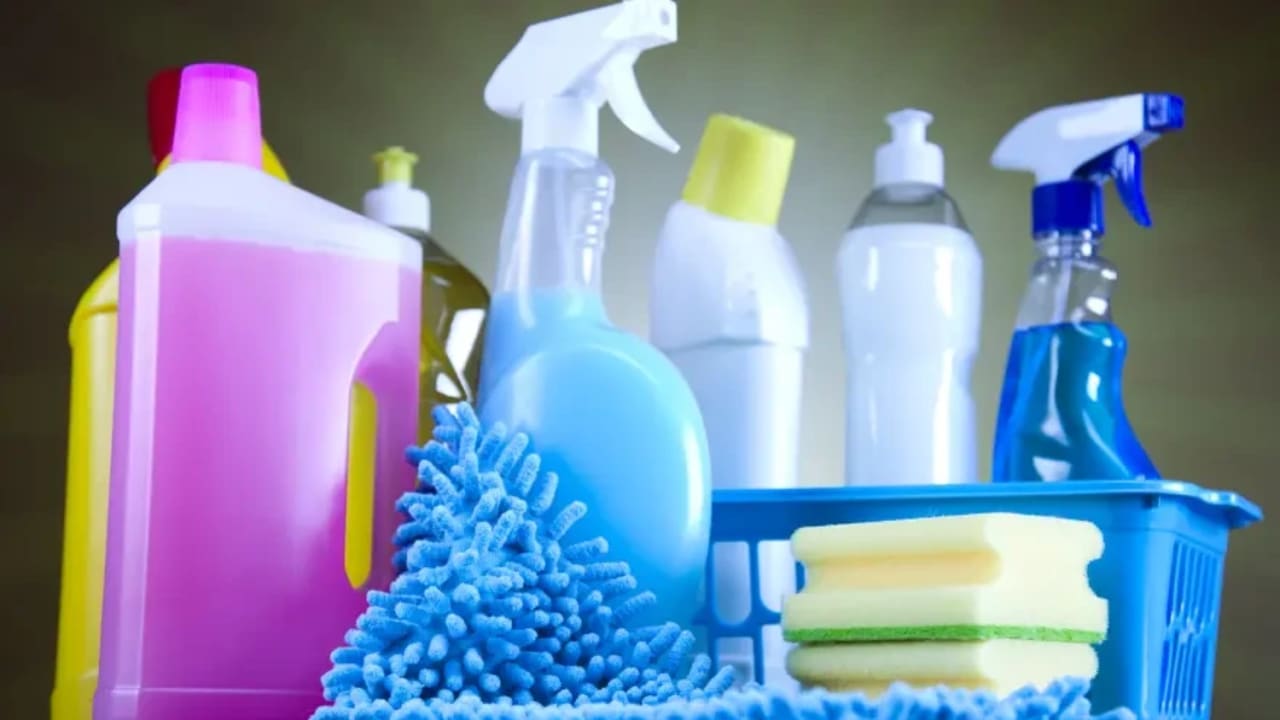
The dangers at home during the cleaning period: Ahead of the Passover holiday, when many children stay at home for extended periods and the use of cleaning materials rises significantly, the Ministry of Health, the National Poison Information Center at Rambam Health Care Campus, and the Beterem Organization for Child Safety are publishing a public warning alongside updated data on the scope of poisonings.
According to the data, in the week before Passover in 2025, 1,335 calls were received at the National Poison Information Center, an increase of about 40% compared to the weekly average that year, a figure consistent with trends in previous years. Of all the calls, about 40% involved toddlers and children under the age of 6.
At the same time, a sharp increase of more than 80% was recorded in calls due to exposure to chemicals and household cleaning and pest control materials, with about half of the cases involving children. This mainly involves exposure to substances such as bleach, degreasers, limescale removers, insecticides, acids, and petroleum distillates.
The Ministry of Health notes that the risk rises especially during this period due to increased use of cleaning materials, sometimes involving the mixing of different substances, an action that may cause the release of toxic gases and severe irritation of the respiratory tract up to respiratory distress. In addition, cases of chemical burns, eye injuries, and ingestion of dangerous substances are also reported, mainly among children.

Alongside this, there is also an increase in poisonings from medications. During cleaning and holiday preparations at home, many medications are left unattended or thrown into the trash, making them accessible to children. These conditions increase the risk of home accidents in general and poisonings in particular.
It also emerges that holiday preparations often include unsafe storage of materials, such as leaving them in open packaging, scattered, or transferring them into drink bottles and cups, which increases the risk of accidental ingestion.
The Ministry of Health and partner organizations emphasize that in most cases these are incidents that can be prevented by adhering to basic safety rules. Among the main guidelines: Storing cleaning materials in closed cabinets, avoiding transferring substances to other containers, carefully reading the instructions for use, and avoiding mixing substances.
Regarding medications, the recommendation is to keep them in a closed box out of the reach of children, ensure administration under supervision, and avoid presenting medications or vitamins as candies. It is also recommended not to allow children to play with medication packaging, even if it is closed, and to keep bags containing medications out of their reach.
Dr. Yael Luria, director of the National Poison Information Center at Rambam Health Care Campus, notes that the increase in exposure cases is especially noticeable this year, against the background of prolonged stays of families at home. According to her, most poisoning cases occur in the home environment and can be prevented by simple measures such as proper storage and attention to the children’s environment.
In case of suspected poisoning, contact the National Poison Information Center immediately for consultation at 04-7771900, and avoid attempting to induce vomiting. In case of exposure to the skin or eyes, rinse thoroughly with running water. In situations of difficulty breathing, seizure, or loss of consciousness, immediately call MDA at 101.