
The tiny animals are carefully placed in cloth bags to be taken away, measured and swabbed, with details logged and saliva and faecal matter collected for analysis before they are returned to the wild.
The researchers call themselves the "virus hunters", tasked with catching thousands of bats to develop a simulation model they hope will help the world avoid a pandemic similar to COVID-19, which has killed nearly 2.8 million people.
The Japanese-funded model will be developed over the next three years by the University of the Philippines Los Banos, which hopes the bats will help in predicting the dynamics of a coronavirus by analysing factors such as climate, temperature and ease of spread, to humans included.
"What we're trying to look into are other strains of coronavirus that have the potential to jump to humans," said ecologist Phillip Alviola, the leader of the group, who has studied bat viruses for more than a decade.
"If we know the virus itself and we know where it came from, we know how to isolate that virus geographically."
Beyond work in the laboratory, the research requires lengthy field trips, involving traipsing for hours through thick rainforest and precarious night hikes on mountains covered in rocks, tree roots, mud and moss.
The group also targets bat roosts in buildings, setting up mist nets before dusk to catch bats and extract samples by the light of torches.
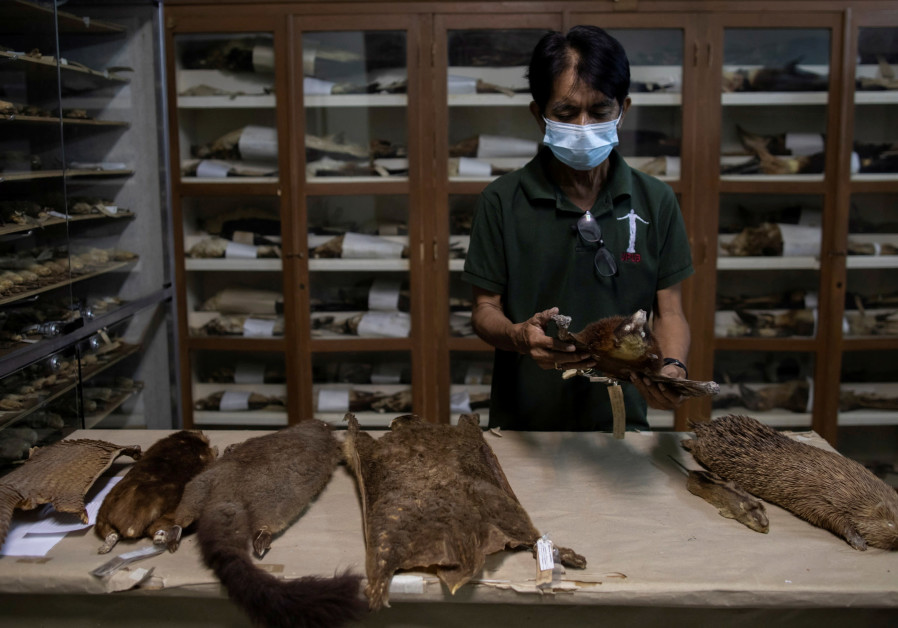
Researchers wear protective suits, masks and gloves when in contact with the bats, as a precaution against catching viruses.
"It's really scary these days," said Edison Cosico, who is assisting Alviola. "You never know if the bat is already a carrier.
The bulk of those caught are horseshoe bats known to harbour coronaviruses, including the closest known relative of the novel coronavirus.
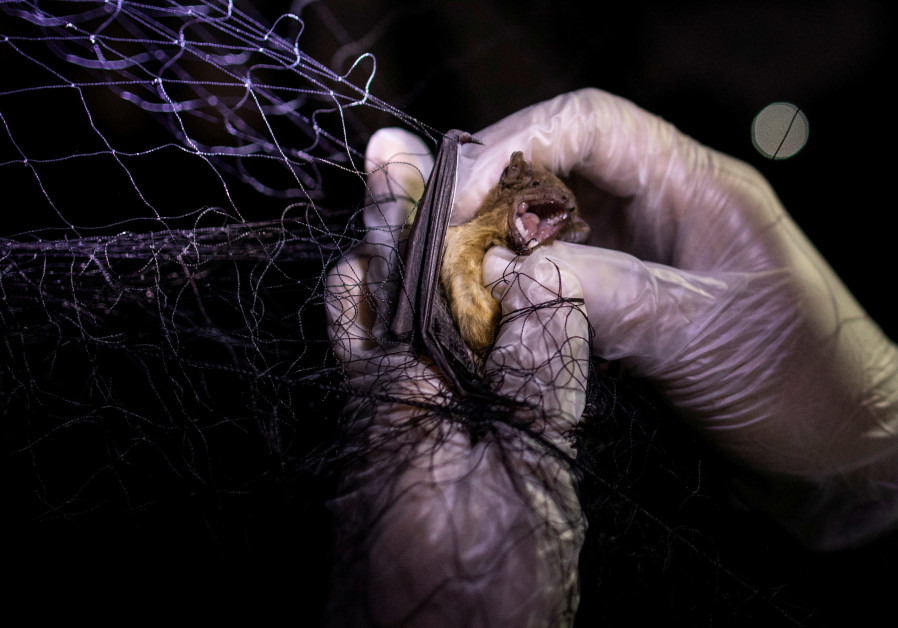
Host species, such as bats, usually display no symptoms of the pathogens, although they can be devastating if transmitted to humans or other animals.
Deadly viruses to have originated from bats include Ebola and other coronaviruses, Severe Acute Respiratory Syndrome (SARS), and Middle East Respiratory Syndrome (MERS).
Humans' exposure and closer interaction with wildlife meant the risk of disease transmission was now higher than ever, said bat ecologist Kirk Taray.
"By having baseline data on the nature and occurrence of the potentially zoonotic virus in bats, we can somehow predict possible outbreaks."