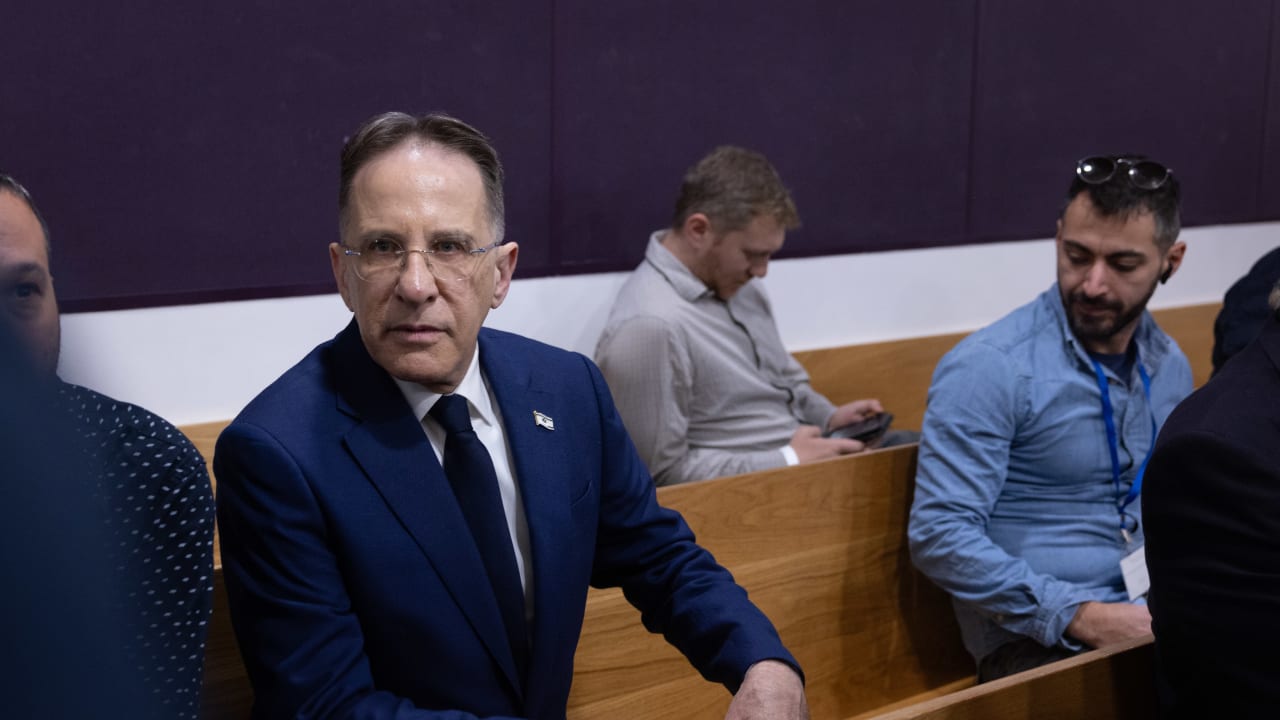
The Rishon Lezion Magistrate’s Court on Thursday extended the restrictive conditions imposed on Prime Minister’s Office chief of staff Tzachi Braverman until Sunday afternoon, as investigators await approval to carry out what they described as a central remaining step in an ongoing probe tied to the leak of classified material.
In a decision issued following a closed-door hearing, Court President Judge Menahem Mizrahi ruled that Braverman’s conditions would remain in force until March 1 at 4 p.m., and ordered the investigating unit to update the court by then on whether a concrete date has been set for the investigative action at the center of its request.
Police representatives told the court the case had entered its “final stretch,” citing a significant strengthening of the evidentiary picture over the course of the investigation, and argued that continued restrictions were necessary to prevent potential disruption of planned investigative steps.
At the heart of Thursday’s hearing was an anticipated move that remains subject to legal approvals - reported on Wednesday to include efforts to obtain testimony from Prime Minister Benjamin Netanyahu - and which defense attorneys argued could not justify keeping Braverman under limitations without a defined timetable.
During cross-examination, police confirmed that a request for authorization to carry out that step had been submitted to the Attorney-General’s Office on February 11, but said no date had yet been set for its execution.

Braverman’s immediate presence in Israel remains necessary, Investigators say
Defense counsel Jacques Chen told the court that Braverman had not been questioned for over a month and warned that maintaining travel restrictions while the investigation awaited external approvals amounted to an open-ended infringement on his rights.
“Today it is clear that the investigation is in its final stretch and dependent on the timing of testimony that is not within the suspect’s control,” Chen said, proposing that Braverman be allowed to leave the country subject to a commitment to return for questioning within a designated time window.
Investigators rejected that proposal, arguing that Braverman’s immediate presence in Israel remained necessary due to the risk of interference with the probe.
The court also clarified that the prohibition on contact imposed on Braverman would extend to three additional individuals - identified in the ruling as Hagai, Anna and Shimon - pending further developments in the investigation.
Mizrahi indicated that the existence of a fixed date for the outstanding investigative action would be “critical” to any further decision on the continued necessity of restrictions, and said the court would issue an additional ruling on Sunday.