
Some 12,845 Israeli compensation claims have been requested for damage caused by rockets, missiles, and drones during Operation Roaring Lion, according to a Tuesday Maariv report.
The report noted that the claims included 8,726 for building damage, 1,324 for contents and equipment damage, 2,552 for vehicle damage, and 243 for other damages.
The claims were further categorized by geographic area: 6,543 in Tel Aviv, 4,371 in Ashkelon, 1,221 in Acre, 61 in Tiberias, 313 in Jerusalem, and 36 in Eilat.
Government teams have been on the ground since the start of the war, accompanied by engineers and appraisers, in collaboration with local authorities, to provide assistance to citizens whose homes and property have been damaged.
Earlier in the war, the Israel Tax Authority (ITA) opened an online fast-track option for compensation of up to NIS 30,000, under which a claim may be approved without waiting for an appraiser.
The program's intention is to pay out within seven days of the claim's completion.
The track requires identification through the ITA’s digital services and submission of documentation, including photographs and repair quotes.
Damage compared to Operation Rising Lion
Claims for compensation have yet to reach the levels seen in the 12-day war in June 2025, during which 53,409 claims for direct damage were filed, and NIS 2.9 billion in compensation was paid.
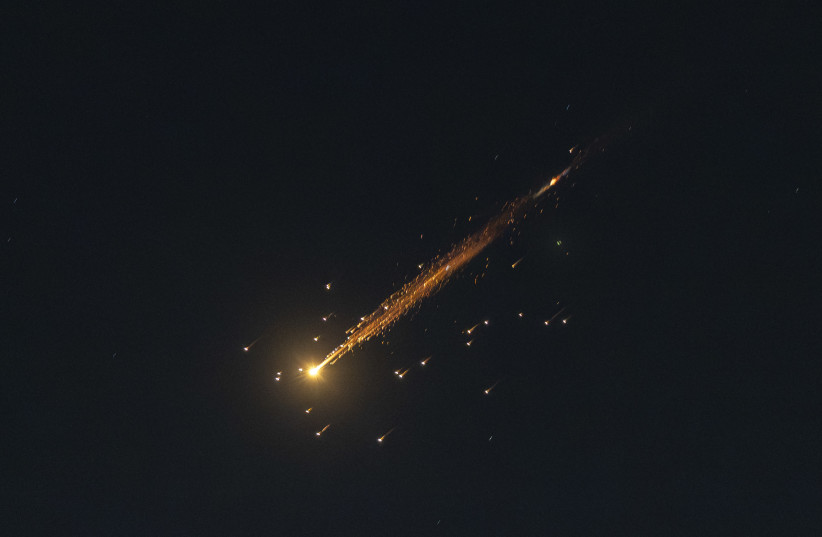
While the number of alerts has increased in the current war, Iran has been firing fewer missiles when compared to the June war, with its efforts concentrated on central Israel.
In the previous war, more buildings had to be demolished and rebuilt after being hit, with numerous strikes on towers housing many dozens of apartments, resulting in numerous damage claims.
"In the previous campaign, we saw missiles with large warheads of hundreds of kilograms, and each missile that was not intercepted and landed had the potential to destroy an entire building," said chairman of the Israel Association of Engineers Yigal Govrin. "These were definitely missiles that could take down buildings."
"In this round, the Iranians are sending cluster missiles, that is, warheads that scatter, each with much less explosives, so the chance of a building being completely destroyed is very small," continued Govrin. "There could be damage, but not to the level of destruction of buildings that would require demolition and rebuilding."