
The Judicial Selection Committee selected 26 judges and senior registrars on Wednesday, adding to the 68 judicial officials chosen earlier this week in the committee’s first broad round of appointments after roughly a year and a half of delay.
The latest selections include one judge for the Haifa Family Court, eight Magistrate’s Court judges for the Southern District - including one for Eilat - and 17 senior registrars for courts in the North, Haifa, Central, Tel Aviv, Jerusalem, and the South.
Supreme Court President Isaac Amit said the latest appointments were “significant news for the court system and the public as a whole,” stressing that strengthening the judiciary’s personnel was essential amid the system’s workload and operational challenges.
'A real revolution in judicial appointments'
Justice Minister Yariv Levin, who chairs the committee, said that 290 judges and senior registrars had now been selected during the current term, which his office stated represented more than 30% of Israel’s judges.
Levin described the process as “a real revolution in judicial appointments,” arguing that it had enabled the promotion of candidates who had previously been blocked for nonprofessional reasons and produced unprecedented diversity on the bench.
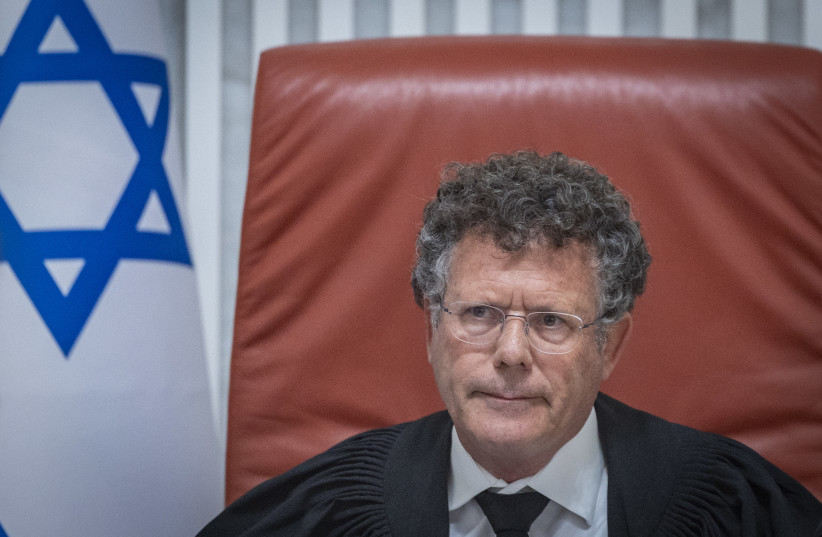
Sunday’s meeting ended the committee’s lengthy freeze, during which Levin had declined for months to convene it amid disputes over judicial appointments and the future composition of the committee. The committee then selected 53 candidates for permanent judicial positions in magistrates’, family, juvenile, traffic, and district courts, alongside 15 registrars and acting District Court judges. It also selected six judges for District Court positions and five Magistrate’s Court presidents for future promotion after their current terms conclude.
Appointments address issue of vacant judicial positions
The appointments began to address a shortage that the High Court of Justice found was harming the courts’ ability to provide efficient public service. In a unanimous ruling on May 31, the court ordered Levin to convene the committee and advance appointments to vacant District Court positions, with particular priority given to the Beersheba and Haifa District Courts.
Figures submitted to the court before Sunday’s meeting showed 51 vacant judicial positions across the system, with another 15 expected to open by the end of 2026. The judiciary also received funding for 35 additional positions, while promotions create further vacancies below them, leaving an estimated need to fill about 150 posts overall. Neither Sunday’s selections nor Wednesday’s latest round included permanent appointments to the specific Beersheba and Haifa District Court positions at the center of the High Court case.
The renewed appointment process is unfolding alongside a separate constitutional dispute over the committee itself. All 11 Supreme Court justices heard petitions last month against a March 2025 law set to take effect with the next Knesset, which would remove the Israel Bar Association’s two representatives from the committee and replace them with representatives chosen by the coalition and opposition.
Petitioners and Attorney-General Gali Baharav-Miara have argued that the law would damage judicial independence and give political actors excessive influence over appointments and promotions. The government and Knesset have maintained that the amendment would broaden representation and does not justify judicial intervention. No ruling has yet been issued.