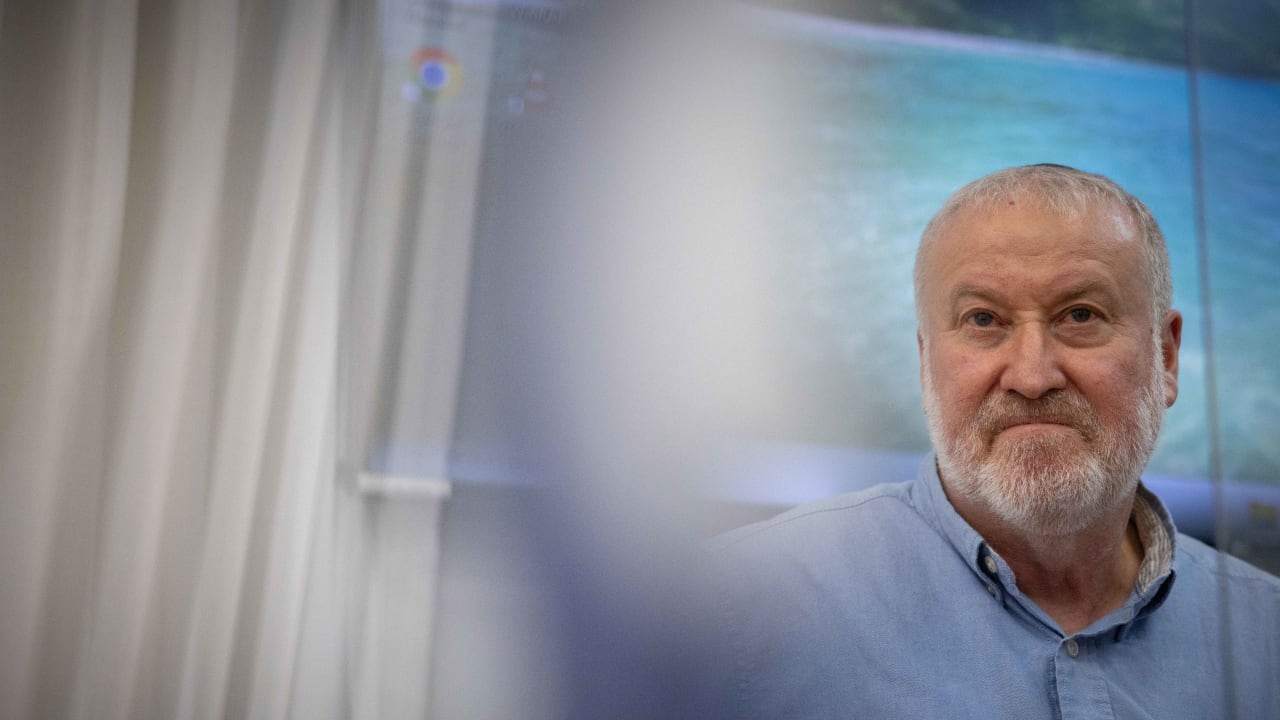
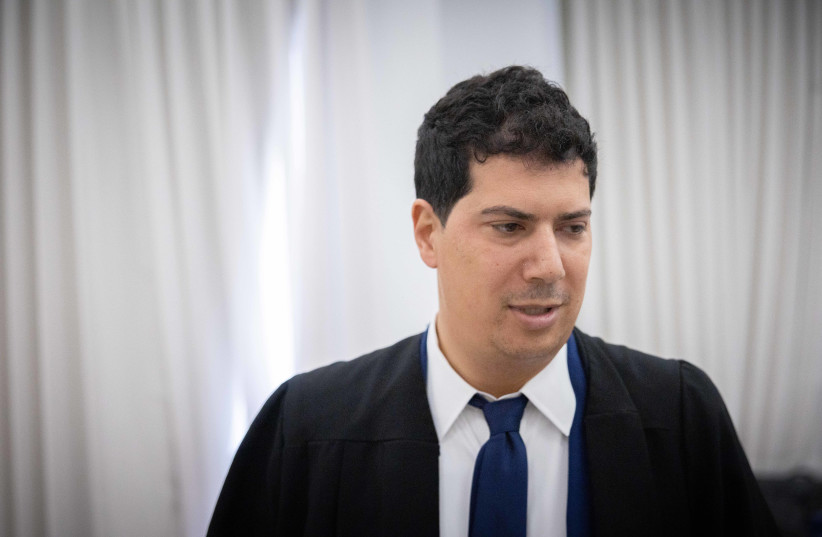
Former attorney-general Avichai Mandelblit maintained on Tuesday that he had authorized the indictment against Prime Minister Benjamin Netanyahu, as defense lawyer Amit Hadad challenged whether he had personally signed the version eventually filed with the Jerusalem District Court.
Hadad argued that Mandelblit’s signature had been copied from an earlier document submitted to the Knesset speaker, which the defense described as a draft. Prosecutor Yehudit Tirosh rejected that description, saying the earlier document was the indictment itself and that transferring a signature between documents was standard practice.
“Clearly, the indictment was filed with my approval,” Mandelblit said.
The judges also ordered prosecutors to submit the full records of meetings in which Mandelblit approved the investigations, by Thursday if possible, so they could decide whether to disclose them to the defense.
The exchanges formed part of the defense’s broader challenge to the approvals behind Netanyahu’s prosecution. Mandelblit, who authorized the investigations and later decided to bring charges, was called as a defense witness to address what he approved and whether investigators remained within those limits.
Under Basic Law: The Government, opening a criminal investigation into a sitting prime minister requires the attorney-general’s consent, and an indictment against the prime minister must be filed by the attorney-general in the Jerusalem District Court.
Netanyahu's lawyer challenges Mandelblit over alleged copied signature
Hadad presented the signatures side by side and pointed to identical features, including a smudge in one of the letters. He argued that Mandelblit signed an earlier version dated November 2019, rather than the indictment filed in court in January 2020.
Mandelblit acknowledged that the signatures looked alike but repeatedly said he remembered signing the indictment. He also challenged Hadad’s description of the earlier document, saying he would not have signed a draft.
Tirosh said the document sent to the Knesset speaker was the indictment Mandelblit had signed, with a witness list added afterward at the Knesset’s request. She accused Hadad of misleading the witness by presenting it as a draft. Hadad argued that the absence of the court’s name and the witness list meant it was not a complete indictment.
Mandelblit explained that submitting the indictment to the Knesset speaker was part of the process allowing Netanyahu to seek parliamentary immunity.
Tuesday’s dispute followed separate questioning Monday about his signature on the amended indictment. He maintained that he had approved that version, while saying he did not remember whether he had physically signed it.
Hadad also questioned Mandelblit about contacts with former Communications Ministry director-general Shlomo Filber concerning conflicts of interest and Bezeq, issues central to Case 4000.
Mandelblit said he knew Filber from his time as cabinet secretary and that they lived in the same neighborhood in Petah Tikva. He initially said he did not remember the discussions Hadad described.
According to a document Filber submitted to the court, he raised those issues with Mandelblit in late 2015 and early 2016, including in encounters near a supermarket and their children’s school. Mandelblit said such an encounter could have occurred but characterized it as a chance conversation rather than a formal meeting.
Filber also said he had written to Mandelblit and spoken with him outside Netanyahu’s office about the prime minister signing an update to Bezeq’s tariffs, and that Mandelblit had told him to wait.
Mandelblit said he did not remember that exchange. Hadad challenged his description of the contact as incidental, pointing to Filber’s account of a written approach, and asked whether he had told prosecutors about the consultation. Mandelblit said he did not think there had been such a report and did not consider there was anything to report.
Separately, Mandelblit described attending a 2014 event at businessman Arnon Milchan’s home with Netanyahu. He said he left after film stars began arriving because he felt uncomfortable.
Although he had observed a close connection between Netanyahu and Milchan, he said he did not regard the event as evidence of a close friendship or believe his attendance required reporting.
Earlier in the hearing, Hadad said prosecutors had provided further excerpts Monday night from the investigation-approval records. He argued that they supported the defense’s position and that some constituted investigative material it was entitled to receive.
Judges limit Mandelblit's testimony in Netanyahu corruption trial
Hadad said he intended to argue that the handling of the case justified canceling the indictment on grounds of unfairness.
Last Wednesday, the judges ruled 2-1 against expanding Mandelblit’s questioning beyond the investigation approvals. Judge Moshe Bar-Am dissented, expressing concern that limiting the testimony could leave gaps in the evidence relevant to the defense’s allegations of investigative misconduct.
Netanyahu faces fraud and breach-of-trust charges in all three cases, as well as bribery in Case 4000, which concerns alleged regulatory benefits for Bezeq in exchange for intervention in Walla’s coverage. He denies wrongdoing.