After the deadlock of negotiations for a partial hostage deal, which would have seen 10 hostages released in exchange for a 60-day ceasefire, both Jerusalem and Washington are reassessing their approach.
Several members of the Trump administration believe the time may be right to propose a comprehensive deal that would bring about the release of all the hostages and an end to the war, a person familiar with the matter told The Jerusalem Post.
“It’s clear to everyone that a comprehensive deal is significantly harder to get both sides to agree on,” the source said.
At the same time, officials in Jerusalem are reportedly considering issuing an ultimatum to Hamas: Agree to the deal, or face the consequences.
Negotiations continue behind the scenes
Behind-the-scenes contacts have continued over the past two days among Israel, mediators Egypt and Qatar, and Hamas in an effort to restart the negotiations. US President Donald Trump’s envoy, Steve Witkoff, has met several times over that time with senior Qatari officials on the island of Sardinia, Italy.

“Although the negotiating team has returned to Israel, it remains in constant contact with the mediators,” an Israeli official told the Post.
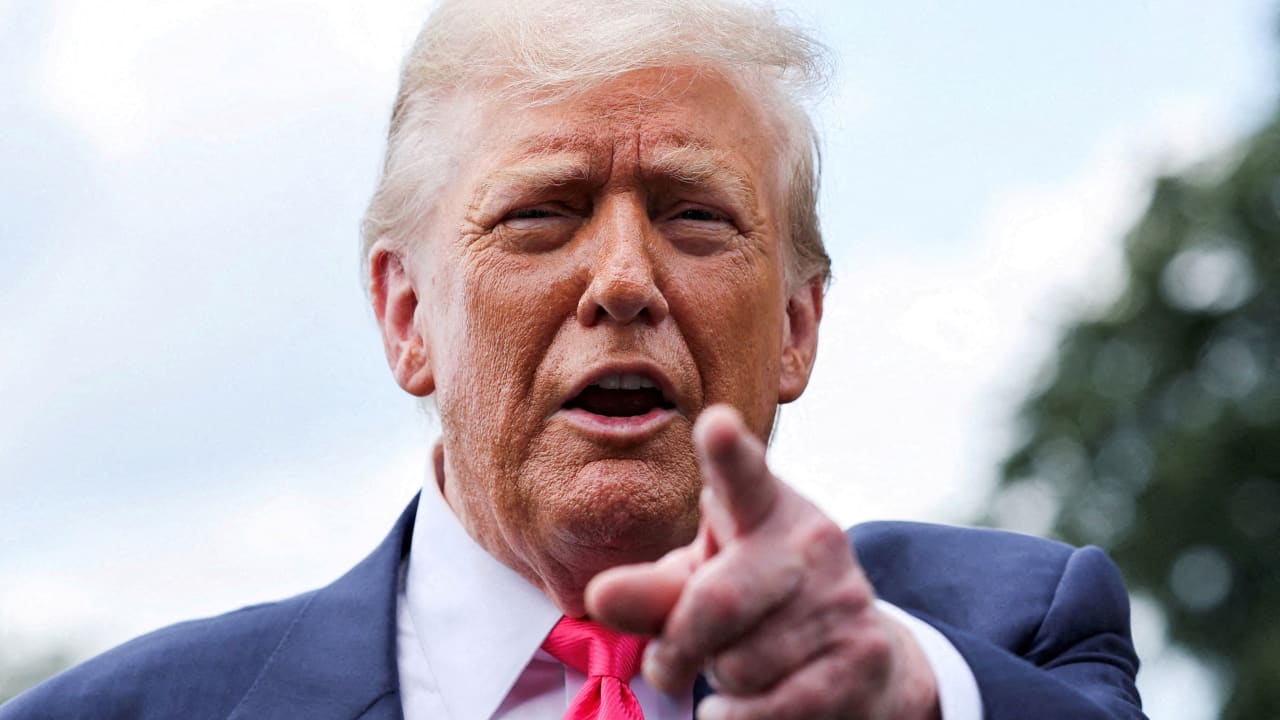
On Sunday, Trump said: “The time has come to bring the hostages home. There are 20 living hostages and the remains of others.”
“There are many parents who want their loved ones’ remains returned,” he said in a conversation with reporters in Scotland. “Israel will have to make a decision. I know what I would do, but I’m not sure I should say it.”
Members of the US Congress and Senate – described by Israeli officials as close allies – have in recent days urged senior Israeli figures to allow humanitarian aid into the Gaza Strip, according to senior Republicans in Congress and officials in the White House who spoke with the Post.
“Help us help you,” they reportedly requested. “We don’t believe the claims of widespread famine in Gaza, but you must take concrete steps to facilitate the entry of aid.”
Trump said: “It’s terrible to see the children, especially in recent weeks. People are stealing food, stealing money, stealing money meant for food. It’s a mess. The whole place is a mess. Gaza.”
It remains unclear how long Israel will keep the humanitarian corridors open, allow for localized ceasefires, or assist in air-dropping aid, an Israeli official told the Post, hinting that it would likely continue until international criticism calmed down.
These actions were clearly the result of international pressure, according to the official.
“Israel failed to counter the false starvation narrative and was forced to take these measures to relieve international pressure,” the official said.
Responding to criticism on Sunday, Prime Minister Benjamin Netanyahu said Israel must continue to allow minimal humanitarian supplies into Gaza to achieve the dual goals of dismantling Hamas and securing the release of hostages.
“We’ve done this so far, but the UN is spreading lies and falsehoods about Israel,” he said. “They say we don’t allow humanitarian supplies in, yet we do. There are secure corridors. They’ve always existed, but now it’s official. No more excuses.”