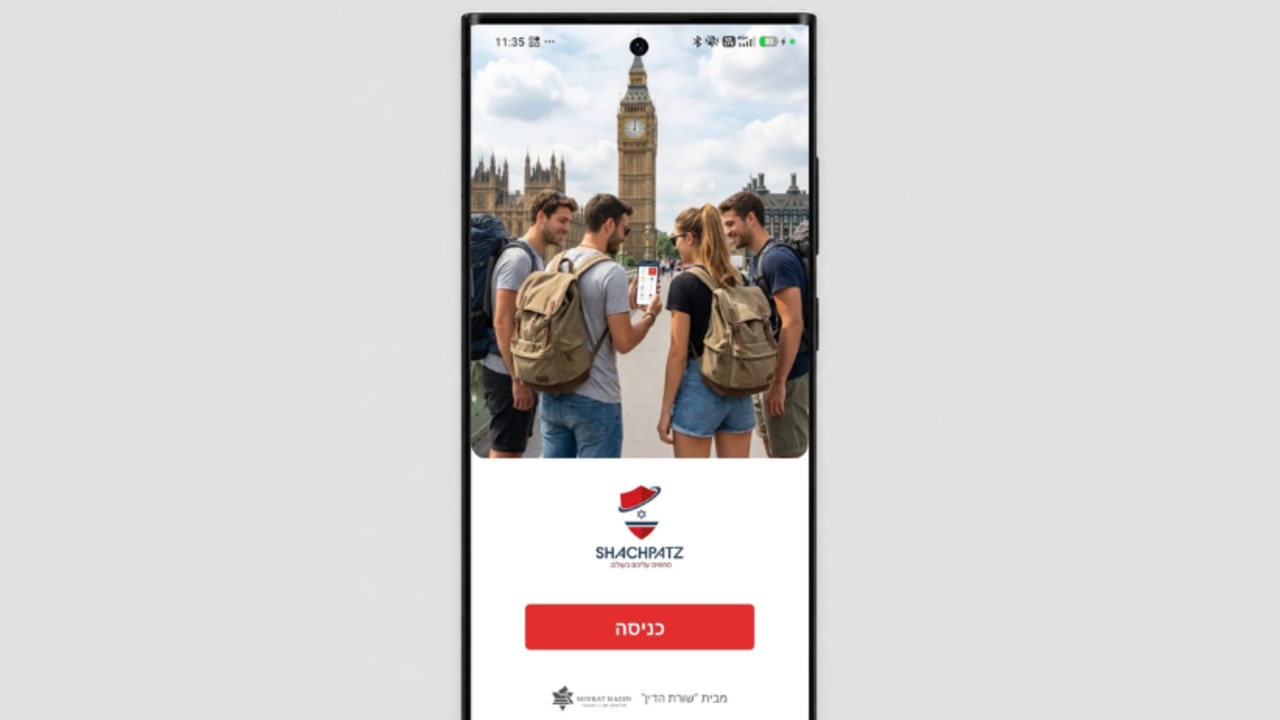
An Israeli veteran questioned at an airport abroad may have only minutes to decide what to say, whom to call, and whether a routine inquiry is potentially becoming a legal problem. Shachpatz, a new app launched by Shurat HaDin, is designed for such moments, placing travel guidance, emergency contacts, and access to legal assistance in one place.
For more stories from The Media Line go to themedialine.org
The idea for Shachpatz came from complaints brought against IDF veterans outside Israel, according to Shurat HaDin. The app brings together legal guidance, warnings issued by the Israeli Ministry of Foreign Affairs and the IDF, embassy and emergency numbers, a travel checklist, and user-posted information about specific destinations. Some of those tools are meant for planning a trip. Others are there in case trouble begins after arrival.
Nitzana Darshan-Leitner used blunt language when describing the reason for launching it. “There has been a witch hunt against IDF soldiers since the beginning of the war,” the Shurat HaDin founder and president told The Media Line. She said pro-Palestinian organizations had taken allegations of war crimes and other abuses and used them to prepare complaints against individual soldiers. Darshan-Leitner rejected those allegations as false. “So, we needed to build a platform that would protect the IDF soldiers,” she said.
The immediate danger, she said, lies in the arrest itself rather than the prospect of a trial. In her view, the organizations filing these complaints are seeking an image of an IDF veteran detained at an airport, an outcome they could present as a victory even if the case went no further.
Giving soldiers resources before they travel
That concern shaped the app’s emphasis on preparation. Users can review information about a destination before departure, including warnings about places where Israelis have faced hostility and reports of locations considered welcoming. The checklist also addresses travelers’ social media activity, which Darshan-Leitner described as one of the principal tools for identifying veterans and tracking their movements.
Soldiers posted photographs and accounts from their military service during the fighting that followed the October 7, 2023 attacks. According to Darshan-Leitner, organizations pursuing them saved their names and faces from those posts and later used the material to follow them abroad. She urged veterans not to advertise where they were traveling or upload photographs of themselves holding their passports before a flight.
App not limited to combat veterans
The app is not limited to combat veterans. Darshan-Leitner said it was created for reservists and people who have completed their military service, but its warnings could also assist Israelis without a military profile. “This app actually intends to help any Israeli,” she said, pointing to incidents in which Israelis have reportedly faced intimidation or exclusion because of their nationality.
If a traveler is detained, Shachpatz provides instructions on how to respond to questioning, what information to disclose, and whom to contact. It lists Israeli embassies and consulates, along with Shurat HaDin’s emergency contact information. Family members and fellow travelers can also use the platform to seek assistance.
Darshan-Leitner said Shurat HaDin has assembled what she called a “legal war room” of 600 lawyers in 17 countries who are prepared to provide initial assistance. The objective is to intervene before a detention develops into a prolonged proceeding, she said, although a serious case would also require involvement by Israeli diplomatic authorities.
The first advice in an emergency is also the simplest. “Perhaps the most important thing is to chill out, to be calm, not to freak out,” Darshan-Leitner said. “It is scary, but you have to remember that we are behind you.”
Shachpatz also relies on information supplied by its users. Travelers can report hostile treatment or other problems at a destination, prompting others to reconsider visiting the same place. They can also submit positive reports about locations where Israelis were treated well. The app’s usefulness will therefore depend partly on Israelis continuing to contribute to it.
“It’s like a community network to help each other to be safeguarded and to enjoy your travel,” Darshan-Leitner said. “That requires the participation of everybody who goes abroad to tell each other what’s going on.”