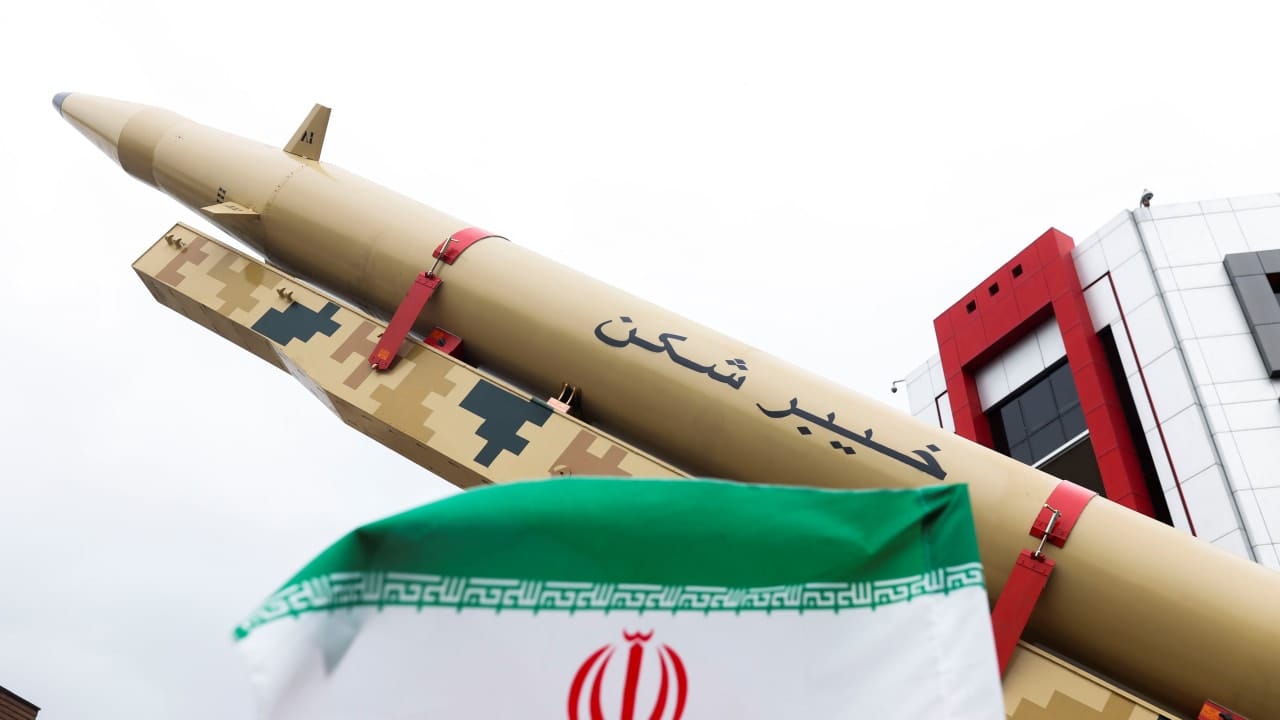
The IDF is preparing for two major escalation scenarios involving Iran as the United States, steered by US Vice President JD Vance, continues diplomatic efforts aimed at reaching an agreement with Tehran and preventing a broader regional conflict.
The talks are focused on reopening the Strait of Hormuz and restoring international nuclear inspections in exchange for partially lifting the US blockade on Iran and releasing billions of dollars in frozen Iranian assets. Israeli defense officials remain on high alert as diplomatic efforts continue alongside limited US military strikes.
IDF prepares for US offensive, potential Iranian retaliation
The first scenario the IDF has prepared for involves the United States launching an extensive and particularly aggressive military offensive against Iran, targeting national infrastructure and military facilities in an effort to shorten the conflict and bring it to an end.
The second scenario involves Iran attempting a surprise attack against American interests and military bases across the Middle East, including IDF bases hosting US military personnel and aircraft.
IDF Chief of Staff Lt.-Gen. Eyal Zamir and senior General Staff officers have held discussions and situational assessments in recent days to review and validate operational plans.

As a result of these discussions, Israel Air Force Commander Maj.-Gen. Omer Tishler and Operations Directorate head Maj.-Gen. Itzik Cohen did not attend the IDF Commanders' Championship.
The assessments cover a wide range of scenarios and potential responses, aimed at ensuring operational readiness in the event of a surprise Iranian attack.
The military is also preparing for the possibility that Israel's adversaries in its immediate and wider regional surroundings could become involved in an escalation, whether through a coordinated operation, misunderstanding, or miscalculation.
Israeli officials believe Trump prefers agreement over military confrontation
Meanwhile, Israeli defense officials assess that US President Donald Trump would prefer to avoid a military confrontation and resolve tensions through a diplomatic agreement.
However, Israeli security assessments suggest that the Iranian leadership views Washington's preference for diplomacy as a sign of weakness.
According to these assessments, Tehran views the results of the US midterm elections, held on Tuesday, November 3, as a form of political "revenge" against the White House.
Israeli officials also believe Iran is unlikely to rush into signing an agreement and will instead maintain a hard-line negotiating position while attempting to prolong the talks.
US strikes Iranian military targets near Strait of Hormuz
In recent days, US forces have carried out limited strikes against Iranian military assets in the south of the country and around the Strait of Hormuz, including operations targeting air defense systems and missile launchers on Qeshm Island.
Additional reported operations have targeted Iranian military positions on Larak Island, while Iranian forces have retaliated against American military assets and vessels in the region. The timing and full extent of all the reported strikes have not been independently confirmed.
The military developments have unfolded alongside ongoing diplomatic contacts, highlighting the risk that limited exchanges could escalate despite efforts to reach an agreement.
Israeli security officials reject claims of heated Iran strike debate
Separately, Israeli defense officials addressed discussions held on November 1, two days before the US midterm elections, during which senior security officials reviewed potential scenarios and responses involving Iran.
Among the options raised was the possibility of a preemptive Israeli offensive against Iran, reportedly supported by the Mossad chief.
However, security officials said they considered the proposal and then dropped it, rejecting suggestions that the discussions involved unusually heated disagreements.
"The option was raised and then dropped just as quickly," security officials said. "The discussion was professional and respectful. There were disagreements on some issues, but no arguments that got out of proportion."
"The leaks from the discussion were politically motivated," the officials added.