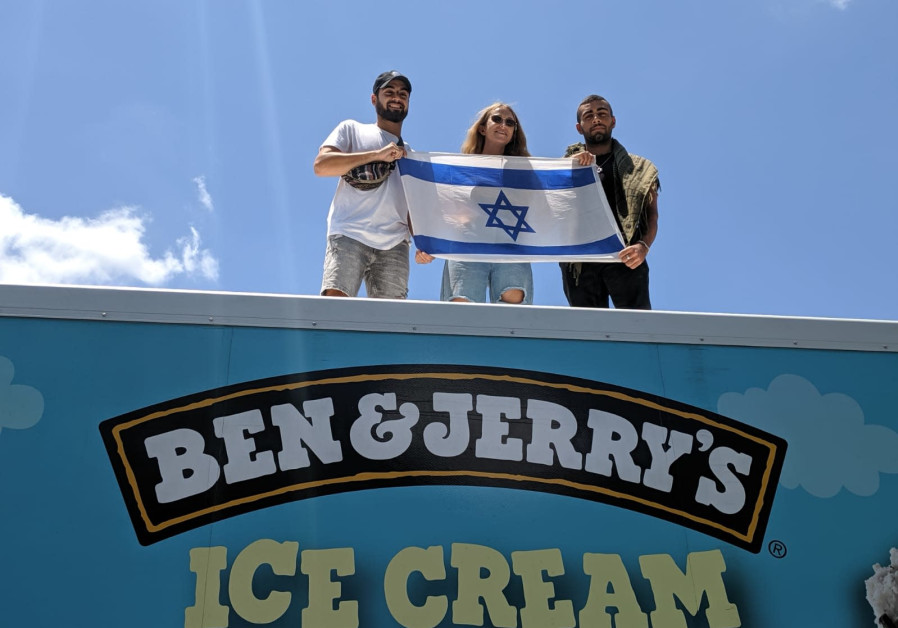
On Thursday, the Post had the opportunity to meet the hardworking, family-oriented workers of Ben & Jerry’s Israel.
On Monday, Ben & Jerry’s announced its boycott of West Bank settlements and its intention not to renew its contract next year with its partner in Israel.
Israeli politicians received the decision like a declaration of war. Prime Minister Naftali Bennett, Foreign Minister Yair Lapid, and President Isaac Herzog have all issued scathing rebukes of the ice cream company.
The Boycott Divestment and Sanctions movement that led the pressure campaign have welcomed Ben & Jerry’s decision, and are already pushing for further action.
Caught in the middle are people like Reuven Ben-Teruncha who has worked at the local ice cream factory for five years. He has nine children, and jokes that he is waiting for a tenth. He’s proud of appearing on the factory’s promotional materials.
His co-workers describe him as always having a smile on his face – but even Reuven is concerned.
“It’s not fair, all of a sudden to close a factory that has been operating for 35 years,” he said. “People have been working here for seven years, 15 years, and people want to close the factory on them...Let us work.”
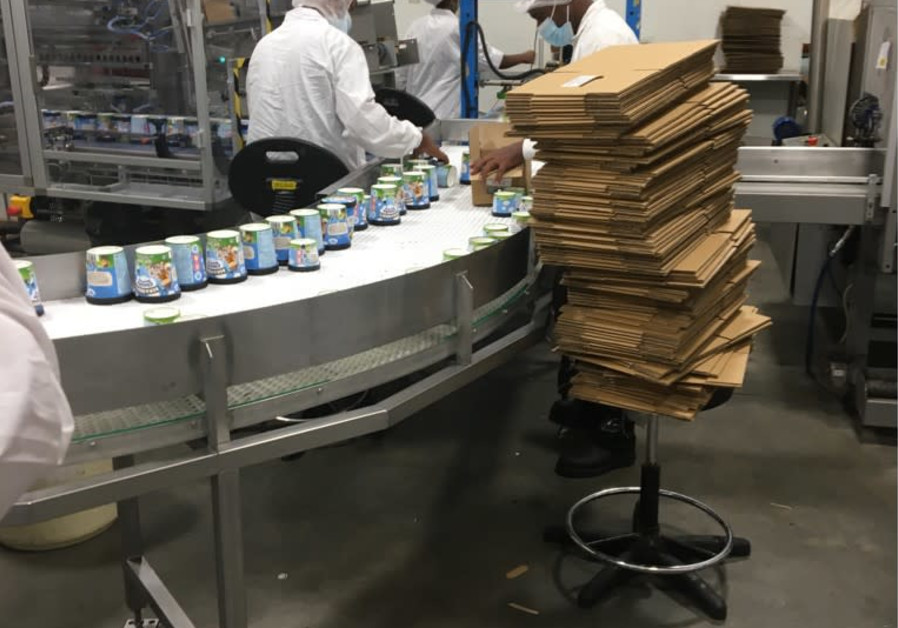
“It’s me and 160 people that work for this company,” Avi Zinger, CEO of Ben & Jerry’s Israel, told a tour organized by the Digitell arm of the Ministry of Strategic Affairs, which organized the visit to meet the people beyond the headlines.
Zinger described himself as someone who loves ice cream. Before he brought Ben & Jerry’s to Israel as their licensee and partner, he says one “couldn’t get decent ice cream in Israel.”
After the decision to end their agreement, Zinger said that “the first day, it was a shock.” Everyone went around the factory with the feeling like “everything is falling apart.”
But while the decision was a shock, Orit Toker noted that it was not a surprise.
Itai, a product manager for Ben & Jerry’s Israel, is from Kiryat Gat, and has worked at the factory for three years. He told the Post they feel like they’re still in the middle of a war.
“We don’t make politics, we make ice cream,” Itai told the Post.
Kiryat Malachi was established in 1951 as a tent city, or ma’abara, for masses of Jewish immigrants. The town has a population of 22,000 people, many of them immigrants from the former Soviet Union. Ethiopian immigrants make up 17% of the population. According to the Neriya Center-Kiryat Malachi charity, the city “ranks only 4 out of 10 on a scale of prosperity, with an average income 50% lower than the national average.”
Ben & Jerry’s Israel has not just been providing jobs to the area, but contributing to charities and social projects.
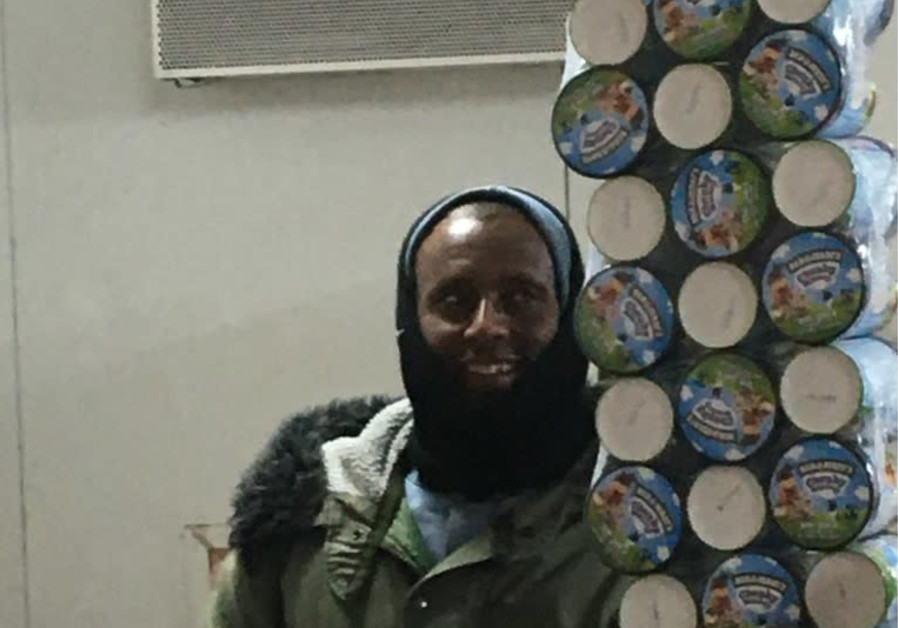
According to Zinger the company employs Ethiopian immigrants and refugees, and has Israeli Arab distributors that rely on them.
These initiatives, opportunities and jobs are all at risk.
Gabi is a division head at Ben & Jerry’s Israel. He is married with three kids, and has worked at the factory for 24 years.
If the factory closes, Gabi joked that “it will be hard for my kids because they love to eat ice cream.” He took a more serious tone when he said, “but they are also very proud that their father works in an ice cream factory.”
In addition to his family, his workers’ livelihoods prey on his mind. “I worry for them.”
When asked what would happen next, Zinger said that “We have to let people go, we have to shut down the company if we lose the license.”
However, Zinger emphasized that he is an optimist. He doesn’t believe that will happen, because of all the support they’ve received in Israel and around the world.
This cautious optimism is shared by his employees.
“The factory may close in a year,” Itai told the Post. ”We don’t know what will happen, we hope the political pressure will prevent that from happening”
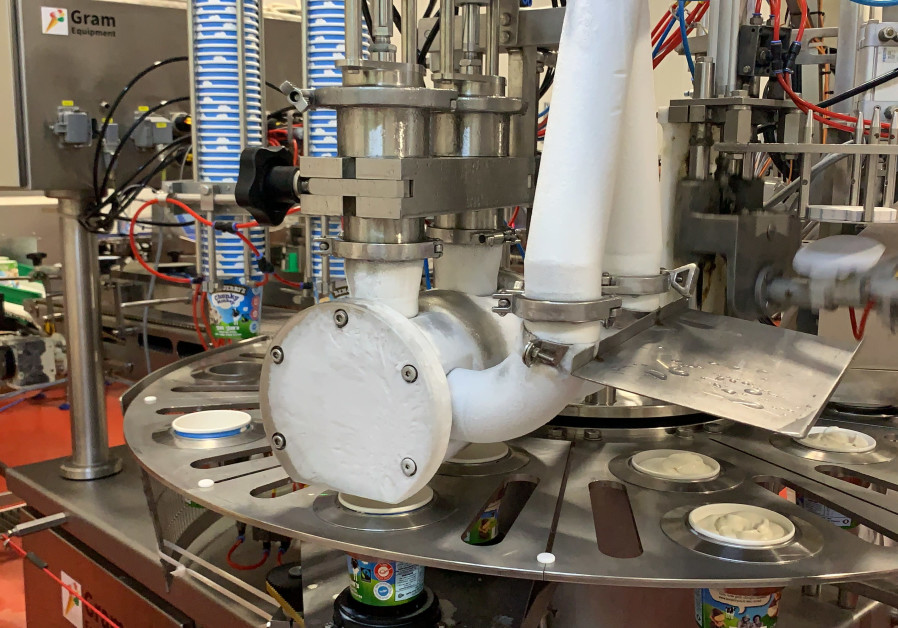
The resilient mood seemed to have been amplified by the visit of social media influencers, pundits, and NGOs that came with the Strategic Affairs Ministry’s Digitell branch. As the group arrived, workers were hanging new Israeli flags on the front gate.
At the end of the tour, the event turned celebratory, with some of the Digitell group climbing onto a Ben & Jerry’s truck with an Israeli flag, cheered on by Zinger and other workers.
While the workers at Ben & Jerry’s have been caught in the middle of a conflict, they are unwilling to be forgotten. They have not just embraced the support they’ve received, they’ve been actively fighting the closure of their factory.