
With the resumption of fighting between Israel and the Lebanon-based Iranian proxy Hezbollah, many Lebanese citizens say they are watching their country once again being dragged into a war they never wanted.
They are watching as the Shi’ite militia, which has effectively taken over large parts of their country geographically and politically, pushes them deeper into turmoil, fueling sectarian and political tensions.
“Hezbollah is a four-decade-old phenomenon that has spread into every aspect of life in Lebanon,” a Lebanese journalist living in Beirut told The Jerusalem Report in a recent interview. “It dominates every sector and is rooted everywhere; in society and politics.”
While the journalist has been an outspoken critic of the designated terror group, he explained that many who oppose Hezbollah feel abandoned by a weak government and by the international community, which has failed to confront such a powerful force.
People would like an alternative but feel that there are no real options,” he said. “They have nobody who can protect them inside Lebanon, and no real support from outside.”
The journalist and others who spoke to the Report on condition of anonymity due to concerns for their safety said this is a critical moment for the state of Lebanon.
With Hezbollah so deeply entrenched in every sphere of their lives, uprooting the group will be extremely difficult, they said, but this could also be a rare opportunity to free their country from the radical group, which prioritizes loyalty to Iran over its own people.
Tehran’s dictates
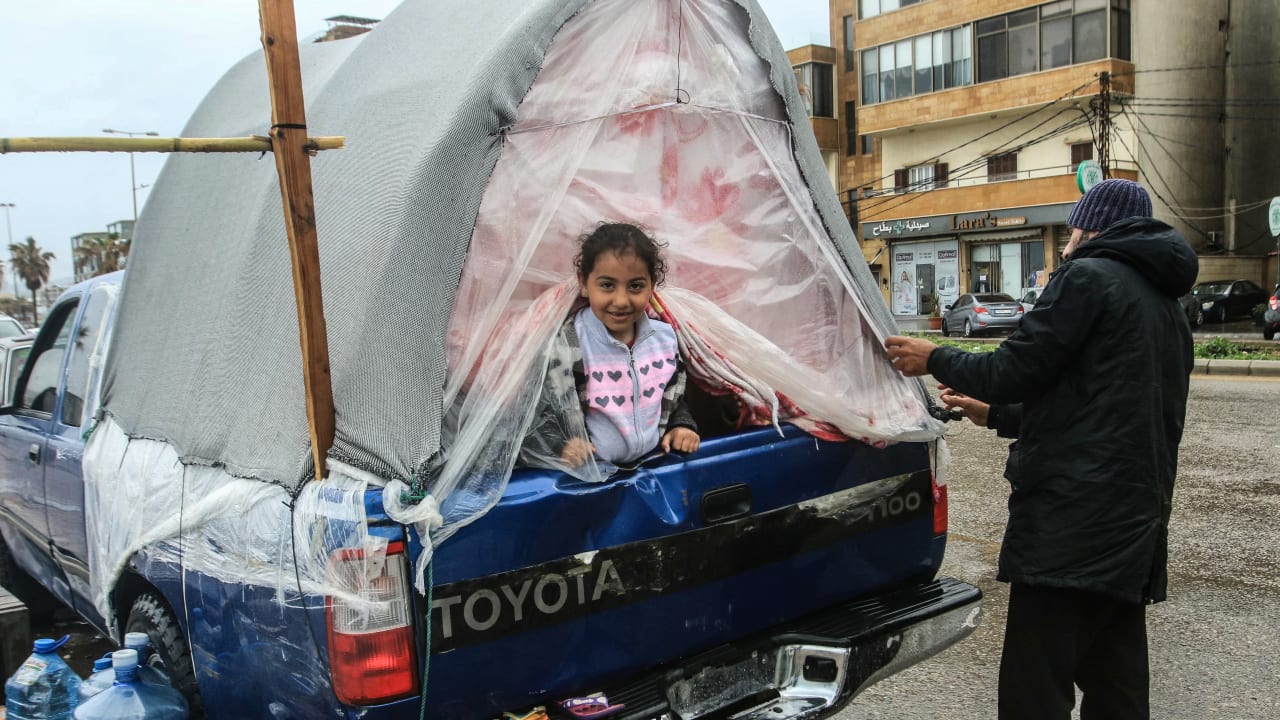
Since the return to fighting, sparked by the Israeli-US war with Iran, hundreds of thousands of residents have been ordered by the IDF to evacuate their villages in southern Lebanon, as Hezbollah launches rockets and drones from the area.
However, the group is so strong that even those who do not support its actions have been forced to rely on its infrastructure for shelters and aid, the Beirut-based journalist said.
“Displaced residents continue to look to Hezbollah – not the government – for basic needs,” he said, underscoring the level of power and control the militia has in Lebanese society.
“They remain dependent on the same organization that oppresses them and causes them trouble – because they have to feed their families and need somewhere to live,” he noted. “Even in the places where people have been displaced to, aid comes via Hezbollah or groups connected to it… that’s why people cannot say bad things about the organization, even if they wanted to.”
The journalist said, however, that Hezbollah was now engaged in a battle for its existence.
“The organization believes that this is a decisive battle over its identity; either it survives or collapses,” he said, explaining that the Iranian proxy sees this point in time as its “ultimate confrontation, a do or die moment.”
Its hardline position and ongoing missile fire on Israel, the journalist said, are driven by Tehran’s dictates.
“For Hezbollah, Iran’s interests come first; it doesn’t care about the chaos it ignites in Lebanon,” he said. “The suffering of the people and the hardships inflicted on Lebanese society are only a secondary concern. It has clearly demonstrated that Iran matters more than us.”
Backlash against Hezbollah
The renewed fighting comes just over a year after a US-brokered ceasefire ended two years of intense conflict between Israel and Hezbollah, which began firing rockets and missiles in support of Hamas following its October 7, 2023, attack on southern Israel.
This time around, however, the group has faced a backlash, with Lebanon’s Prime Minister Nawaf Salam declaring Hezbollah’s military activities illegal and calling for the group to relinquish its weapons to the Lebanese army.

According to observers, the unusual statement came in response to international pressure and warnings that if Lebanon did not act to disarm Hezbollah, then fighting with Israel would resume.
Fears that the country would once again become a battleground also reportedly prompted Lebanese President Joseph Aoun to seek direct negotiations with Israel.
“We don’t believe Aoun’s empty words until we see real actions; I think the prime minister is more genuine in his intentions; but in any case, they will have to prove on the ground that they are confronting Hezbollah,” another Lebanese journalist, who now lives outside the country but visits regularly, told the Report.
The journalist said that freeing his country from the Shi’ite group’s grip would take much more than simply targeting its military capabilities.
“It’s like a cancer, a tumor that has spread everywhere,” he said, adding that Hezbollah was like a “deep state.”
Hezbollah, he said, has embedded itself within intelligence, military, and civil institutions, allowing the group to control many aspects of daily life. That influence, he continued, even extends into political and judicial spheres.
“Courts have no real power. Some judges have personal connections to Hezbollah and can’t act independently,” he said. “For example, last week the Lebanese army arrested three Hezbollah members who were caught transporting weapons. The judge later released them on bail for just $20 each.”
Deeply entrenched
The fact that Hezbollah is also a political entity affords it even more power inside Lebanon, he said, suggesting that it should be barred from future elections.
“If we want to destroy Hezbollah, it should not be allowed to participate in our political system. Banning it from elections would block its foothold in politics and society and prevent it from leveraging legitimate state institutions and resources.”
Some in Lebanon believe that Hezbollah has diverted state budgets and foreign aid for its own benefit.
“This is one of the ways it strengthens its hold,” the journalist said. “It takes advantage of cultural, social, and humanitarian organizations, and manipulates them to gain money and control.
“There is a foreign aid agency that delivers assistance to people in need… Hezbollah has found ways to benefit from its funds by claiming to run community or youth projects, while in practice the money, or at least part of it, is directed to its own goals,” he said, describing how the group also runs its own schools and hospital systems.
This extensive network, built up over many years, is used to gain backing from Lebanese civilians, and while public criticism has grown recently, the group still seems to have broad support.
“Hezbollah made people believe that it alone can defend Lebanon and that Israel is the enemy,” the journalist explained, adding, “This is another reason why it is hard for people to resist it or speak out.
“For years, we were told that Israel hates the Arabs, and that Hezbollah is there to protect us. But I’ve realized that the real threat is not Israel… it is Iran,” he said. “[Iran has] destroyed Lebanon to an unimaginable extent. Those from Hezbollah would sell themselves and their families for the sake of Iran.”
The journalists both agreed that while the fighting and mounting pressure against Hezbollah could be an opportunity to free Lebanon from the group’s control, they stressed that for this to happen, their leaders, their people, and the international community must be willing to take a strong, unwavering stand against Hezbollah.■