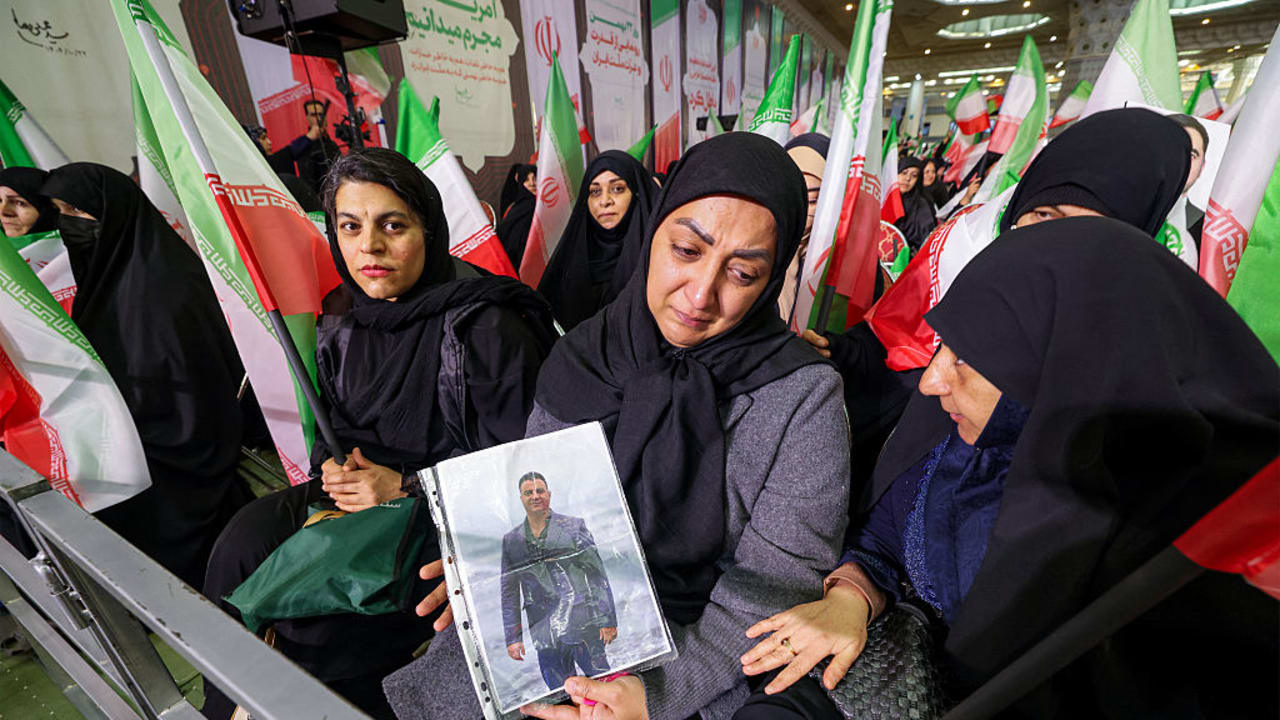
The families of Iranians who were killed in the protests in late December and early January were pressured by the Islamic regime to falsify the circumstances of their loved ones' deaths, CNN reported on Friday.
The regime, rights groups stated, would routinely force the families to register their loved ones posthumously as members of the paramilitary Basij militia, a force affiliated with the IRGC. Other times, families would be told to say that their family member had been "martyred" by terrorists or foreign agents, or that they had died from drug overdoses or accidents.
One example CNN cited was 13-year-old Abolfazl Vahid Gezeljeh-Meydan, who had been shot in the neck while protesting in Tehran on January 8.
According to a relative, the boy's family received repeated calls claiming that he was killed by Zionists, and urging them to allow officials to visit while carrying the flag of Imam Hussein, a figure of martyrdom.
Activist group IranWire also reported that Gezerljeh-Meydan's father had received threats of being fined up to six billion rials (around NIS 14,000) if he did not announce that his son was a member of the Basij forces. The family successfully negotiated a reduction in the demanded payment and did not give in to the intimidation.
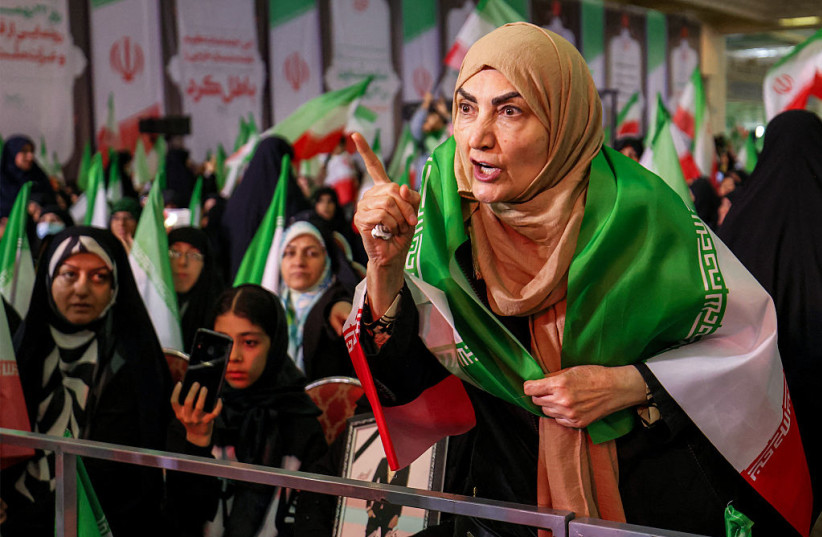
Iran forces families of slain protesters to falsify death records
Another family facing similar threats and pressure was that of Fahimeh Ajam, 29.
Ajam was killed while protesting in Azadshahr in the northeastern Golestan province. Her family reported receiving threats from armed men outside their home, attempting to convince them that Ajam had been killed by terrorists and should be declared a martyr.
Her brother was reportedly called by an official and warned to be careful, "or even the grave could be disturbed.”
Human Rights groups say that Islamic regime openly threatens citizens
Mahmood Amiry-Moghaddam of the Norway-based group Iran Human Rights stated that he estimated his agency had been unable to document the full extent of the similar cases of families being pressured, particularly when it came to male protesters.
“What stands out this time is how systematic and openly brutal the pressure has become,” Amiry-Moghaddam said. “It goes beyond forcing families into silence. The pattern suggests an intent to humiliate, using intimidation and degrading treatment to demonstrate power, break resistance, and send a broader message of fear to society.”
Mousa Barzin, a human rights lawyer, told CNN that, in multiple cases in which families refused to cooperate with the regime in falsifying their loved ones' death records, the regime had buried the bodies in undisclosed locations, only informing the family days later.
Other families have been asked to appear in Iranian state media to perform heavily edited eulogies for their loved ones, sometimes accompanied by AI-generated reenactments of their deaths.
UN condemns Iranian death penalty surge
The Iranian regime is also cracking down on protesters via the death penalty, with many of those arrested during the protests at risk of receiving such a sentence.
The UN human rights chief Volker Turk called for an immediate moratorium on the use of the death penalty in Iran on Friday, warning that dozens more people risk execution after the first death sentence linked to January mass protests was issued this week.
"I am horrified by reports that at least eight people, including two children, have been sentenced to death in connection with the protests," Turk said in a speech to the UN Human Rights Council in Geneva, adding that another 30 people appeared to be at risk of the same sentence.
Reuters contributed to this report.